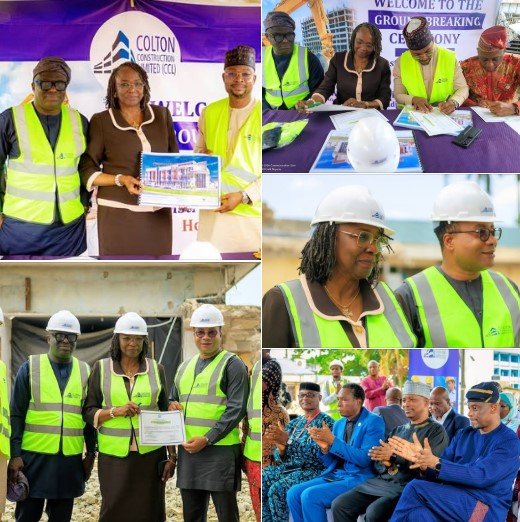
The College of Medicine, University of Lagos, intends to expand into prosthetics and orthotics over the next five years as part of its plans to broaden healthcare training.
According to The Guardian Nigeria, Provost Professor Ademola Oremosu outlined the ambition while speaking to journalists during the college’s 2026 College Week.
He also identified speech therapy, occupational therapy, and audiology as areas in which the institution intends to train professionals.
The University of Lagos identifies Oremosu as the college’s provost.
Plans rather than completed departments
The announcement describes a proposed expansion. The report does not provide an opening date, admission requirements, or confirmation that the proposed departments have secured all necessary approvals.
Prospective applicants should therefore wait for formal programme and admission notices before making study plans.
What prosthetics and orthotics involve
Prostheses replace missing body parts, such as limbs, while orthoses include braces and splints that support parts of the body.
The World Health Organization explains that these devices can help people attend school, work, care for their families and participate in community life.
However, access depends on more than supplying a device. Patients need qualified professionals, properly equipped workshops, and continuing services connected to rehabilitation and other healthcare.
Why it matters to Africa and the diaspora
If implemented, the proposed training could help develop the expertise needed to support people with limb loss and other physical impairments.
WHO identifies shortages of qualified personnel, weak planning, and poor integration into health systems as barriers to affordable prosthetics and orthotics services. These challenges explain why professional training matters alongside investment in equipment.
Oremosu also referred to a “Diaspora Bridge Programme,” describing it as a way for people who have developed their skills abroad to contribute to the Nigerian system.
The Guardian’s report does not set out how participants can apply or what roles they would undertake.
For diaspora professionals interested in contributing, formal details from the college will be needed to establish how that ambition will translate into practical opportunities.