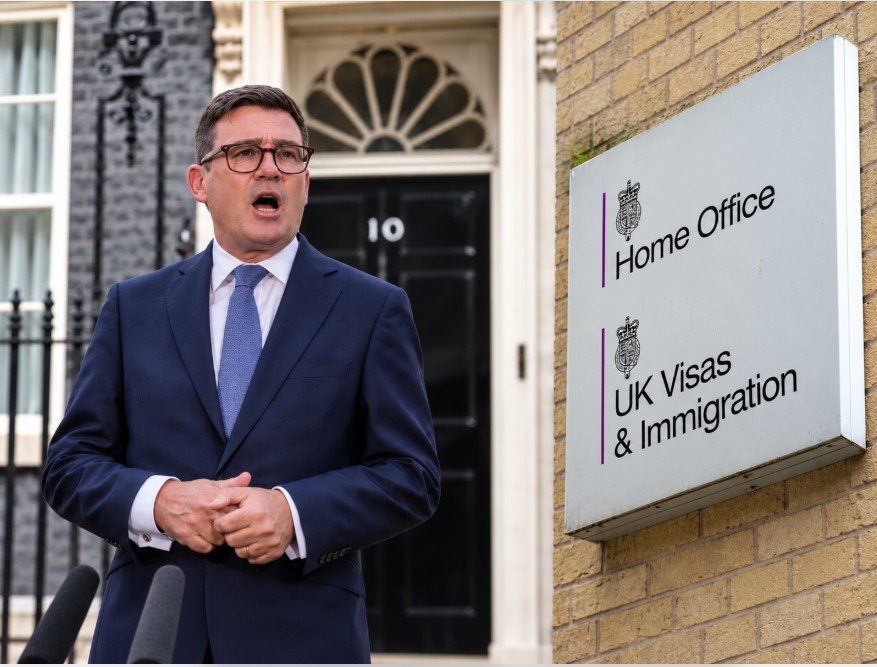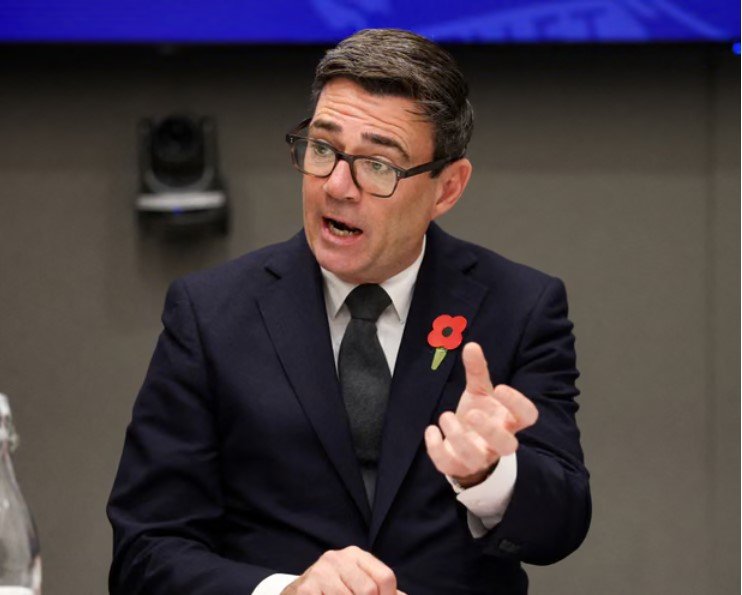
British Prime Minister Andy Burnham has said he is open to a formal state apology for Britain’s role in the transatlantic slave trade, marking a significant shift in the country’s engagement with long-standing demands from Caribbean and African leaders.
In an article published by The Guardian on October 31, Burnham said his government was prepared to enter structured discussions with countries and campaign groups affected by the slave trade. He also expressed personal sorrow and regret for the suffering inflicted on millions of Africans.
However, he ruled out financial reparations, arguing that people living in Britain today should not be held financially liable for historical actions in which they had no personal involvement.
Apology and Dialogue, but No Compensation
Burnham’s position comes after years of pressure from Caribbean governments and reparations campaigners seeking acknowledgement and redress for the transatlantic slave trade.
The prime minister said listening to calls for an official apology would form an important part of the proposed dialogue. He described the trade as a brutal violation of human dignity, recognising that its consequences continue to shape societies today.
However, he maintained that financial compensation was not the appropriate response. His position differs from the demands of several Caribbean countries, which have argued that reparatory justice should include monetary compensation, debt cancellation, investment in health and education, and a formal apology.
The chair of Antigua and Barbuda’s reparations support commission, Dorbrene O’Marde, welcomed Burnham’s willingness to engage but said his rejection of financial reparations remained unacceptable.
Barbados Prime Minister Mia Mottley also welcomed the opening for dialogue, while making clear that Caribbean governments and the UK were not in agreement on every aspect of the issue.

Debt Restructuring Proposed for Commonwealth Countries
Alongside the proposed dialogue, Burnham announced plans for a new initiative to help the poorest Commonwealth countries restructure their debt.
The programme is expected to be led by former British Prime Minister Gordon Brown and could eventually involve institutions such as the International Monetary Fund. It would seek to give eligible countries longer repayment periods and more favourable interest rates.
Burnham said debt-servicing costs for the poorest and most vulnerable Commonwealth countries were at their highest level in more than 25 years. He also stated that more than 40 per cent of these countries were spending more on interest repayments than on healthcare.
The proposal presents debt relief as a practical area where the UK and Commonwealth countries could cooperate, even without agreement on financial reparations.
Commonwealth Summit to Put Historical Responsibility in Focus
The announcement comes ahead of the Commonwealth Heads of Government Meeting, scheduled to take place from November 1 to 4, with King Charles expected to attend.
The issue of slavery reparations has remained a point of disagreement between Britain and several former colonies. At the 2024 Commonwealth summit in Samoa, member states agreed that the time had come for discussions on reparations, although the previous UK government resisted putting the issue on its agenda.
As Reuters reported in its coverage of Burnham’s announcement, the prime minister’s position brings the question of a formal apology closer to the centre of Britain’s discussions with Commonwealth partners, while leaving the dispute over financial compensation unresolved.