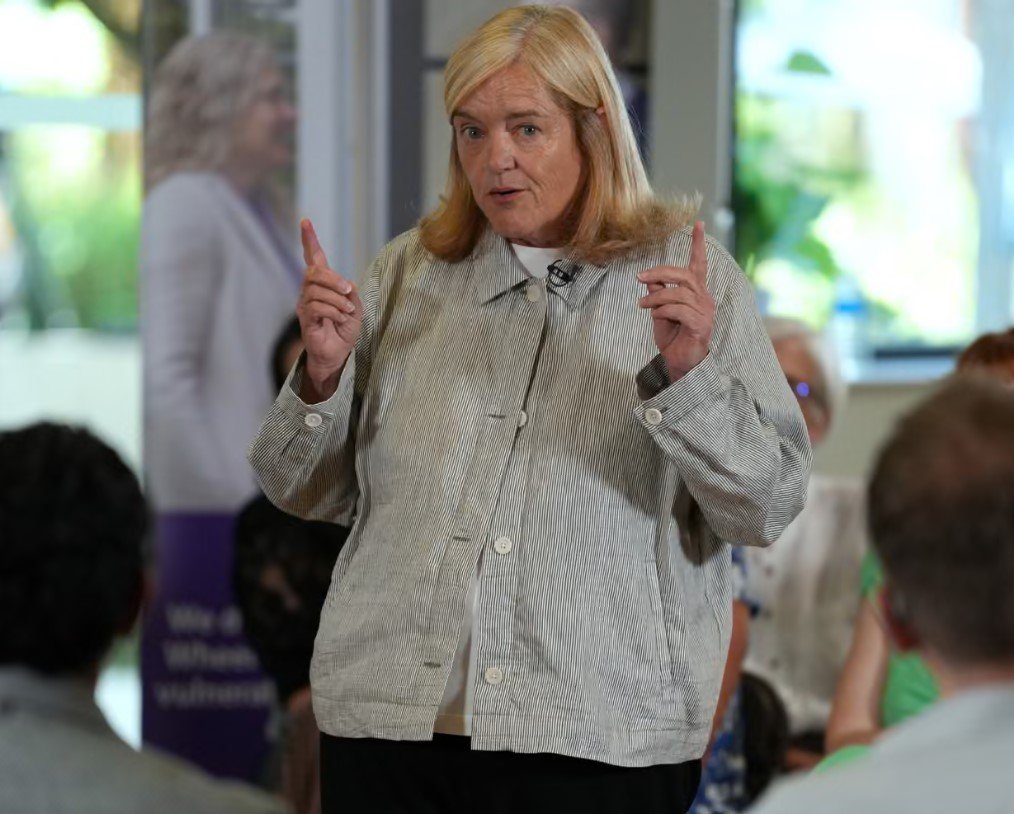
England’s adult social care system has developed into a fragmented network of services without clear national leadership or a consistent long-term direction, according to concerns set to be raised by Baroness Louise Casey, who is leading the government’s independent commission on social care reform.
In a report published on November 11, The Guardian said Casey would criticise successive governments for allowing the system to become increasingly disjointed, with people receiving different standards of care depending on where they live.
The findings highlight longstanding problems in a sector responsible for supporting older people, adults with disabilities, and others who need assistance with daily activities.
According to “The Guardian’s report” Casey is expected to argue that there is effectively no single authority taking responsibility for the overall direction and performance of adult social care in England.
A system with inconsistent standards
One of the central concerns is the variation in how care is organised and delivered across local authorities. People seeking support can encounter different assessment procedures, waiting times, and standards depending on their location.

The growing influence of private providers has also raised questions about oversight and accountability. Although private organisations play a significant role in delivering care, concerns remain about whether the regulatory and administrative arrangement are strong enough to ensure consistent standards.
Reporting on the commission’s findings, “The MJ” said research from the Nuffield Trust and the Institute for Government identified a lack of clear stewardship, describing the sector as having evolved without sufficient planning.
The challenge of reform
The concerns come as the government considers wider changes to adult social care, including plans for a National Care Service and a more integrated relationship between health and social care.
Casey’s commission is examining how the system could be reorganised and made more sustainable. However, establishing clearer leadership alone may not resolve the sector’s difficulties. Reform will also require decisions about funding, workforce conditions, regulation, and the responsibilities of national and local government.
The commission’s work therefore raises a broader question about how England should provide and finance care for a population with growing support needs.
What happens next?
Casey’s intervention is expected to add pressure on the government to move beyond repeated reviews and set out a practical direction for reform.
However, the criticisms do not amount to a completed government policy or an immediate restructuring of the sector. Any major changes will depend on the commission’s recommendations and the government’s response.
For people who depend on social care, the central issue remains whether future reforms can deliver reliable support regardless of where they live.