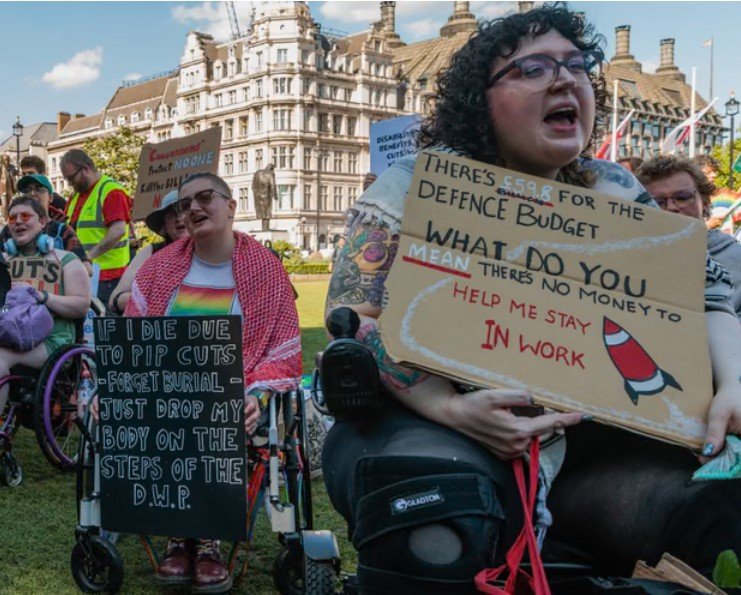
The UK government’s welfare reforms are facing continued scrutiny as changes to Personal Independence Payment (PIP) eligibility are scheduled to begin in November 2026, raising questions about how the changes will affect new claimants and people with disabilities.
The reforms form part of a wider effort to change the benefits system and increase support for people entering employment. However, proposed changes affecting younger claimants remain politically sensitive, with disability charities warning that reducing financial support could leave vulnerable people struggling.
What changes are expected?
PIP is a non-means-tested benefit designed to help eligible people with disabilities or long-term health conditions meet additional living costs.
Under the government’s previously announced arrangements, changes to PIP eligibility are due to apply to new claims from November 2026. Existing recipients were intended to remain under the current system rather than being automatically moved to the revised eligibility rules.
The Department for Work and Pensions outlined these arrangements in its “official explanation of the welfare reforms”
Separately, changes to the health-related element of Universal Credit for most new claimants took effect in April 2026. These changes should not be confused with the November PIP timetable, as the two benefits have different eligibility rules and purposes.

Wider reforms under discussion
The debate extends beyond the immediate PIP changes. In an October 1 report, “The Guardian” reported that ministers were considering further reforms affecting younger disabled people, including possible changes to the health-related element of Universal Credit for claimants under 25.
The proposals were still under consideration, with reviews examining youth employment and the future of disability benefits. They should therefore not be treated as confirmed policy.
The government has argued that reform is needed to help more people access employment and prevent young claimants from becoming disconnected from the labour market. Ministers have also said that people who are unable to work must continue to receive appropriate protection.
Concerns over the impact on disabled people
Disability advocates have warned that reducing benefits without adequate employment and health support could worsen financial insecurity for people who already face barriers to work.
The debate centres on how to balance employment support with financial protection for people whose health conditions limit their ability to work. Campaigners have argued that tailored support and access to suitable jobs are important if reforms are to improve employment outcomes without deepening hardship.
The government’s next steps, including the outcome of its reviews and any further legislative proposals, will help determine how far the welfare system changes.