Uganda’s ruling National Resistance Movement (NRM) has reportedly pushed back against a proposal to position President Yoweri Museveni’s son, General Muhoozi Kainerugaba, as his successor, exposing divisions within the party over the country’s future leadership.
According to a report published by “Africanews” on November 11, five people familiar with a closed-door meeting of the party’s executive committee said members opposed the proposal during discussions on Tuesday.
The meeting reportedly ended without a decision after several members challenged Kainerugaba’s proposed candidacy. Four members had reportedly voted in favour of the proposal and three against before the vote was abandoned.
The account, based on unnamed party sources, has not been publicly confirmed by the NRM. However, “The Star” reporting on November 12, also described the disagreement as an unusual display of resistance within the long-ruling party.

A succession question gathering momentum
Museveni, 82, has governed Uganda since 1986 and remains one of Africa’s longest-serving leaders. His eventual departure from office has become an increasingly important political question, particularly as his son rises through the country’s military and political establishment.
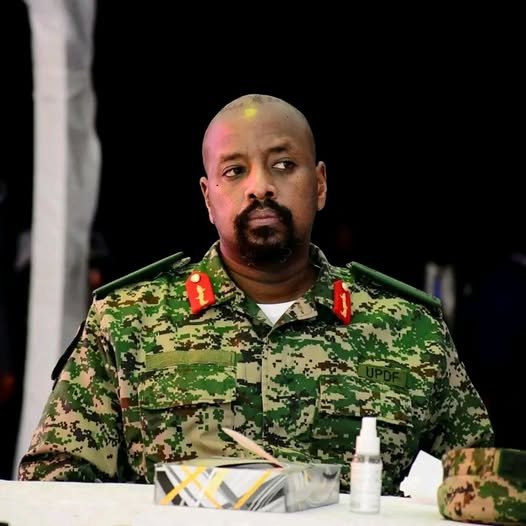
Kainerugaba, 52, currently serves as Uganda’s Chief of Defence Forces. He has publicly expressed an intention to contest the 2031 presidential election, while his growing political prominence has fuelled concerns about a possible transfer of power within the president’s family.
The reported opposition within the NRM is partly linked to concerns about Kainerugaba’s public conduct, particularly his controversial social media statements and threats directed at political opponents.
Some participants reportedly argued that he should leave the military and take up a civilian role to gain political experience and build wider public support. Others reportedly suggested that Museveni should seek another term in 2031 instead.
What the disagreement means for Uganda
The reported resistance does not mean Museveni has lost control of the ruling party or that Kainerugaba’s political ambitions have been formally rejected. Rather, it points to disagreement among senior party figures over how the eventual succession should be managed.
The NRM has dominated Uganda’s political landscape for decades, making internal decisions about its next leadership particularly significant. Any uncertainty over succession could influence political alliances, military relations, and preparations for the 2031 elections.
The reported meeting also raises questions about whether the president’s preferred succession arrangement can secure sufficient support within the party, especially as members weigh the political implications of a possible family handover.
For now, there has been no publicly confirmed final decision on Museveni’s successor. The reported abandonment of the vote nevertheless suggests that the question of who follows the president may be more contested within his own political establishment than previously assumed.