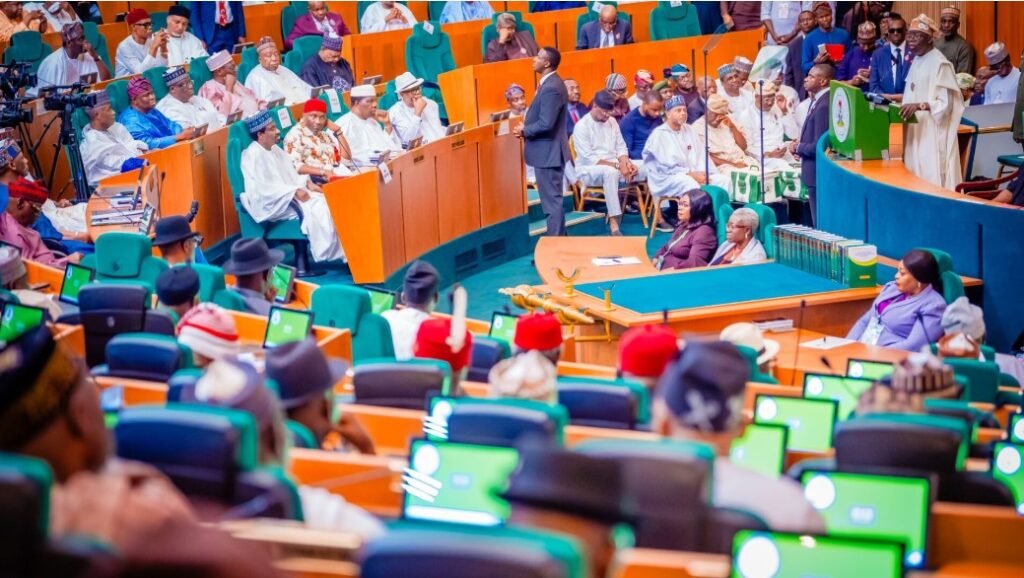
President Bola Tinubu has asked the National Assembly to consider a fresh external borrowing request involving approximately $20.5 billion and €1.05 billion, according to a report by PREMIUM TIMES. The request is a proposal requiring legislative consideration, not evidence that the money has already been borrowed, disbursed, or spent. That distinction matters: the political decision before lawmakers concerns whether the stated financing needs justify additional obligations and what conditions should accompany any approval. The scale of the dollar and euro components makes the proposal significant even before interest rates, repayment schedules, and exchange-rate exposure are examined.
Why do the terms matter as much as the headline amount?
A borrowing headline rarely tells citizens what the eventual cost will be. Loans may carry different maturities, grace periods, interest arrangements, and project-specific conditions. Where repayment is denominated in foreign currency, naira depreciation can increase the local-currency burden even if the principal remains unchanged. Parliament therefore needs a clear breakdown of lenders, loan types, proposed beneficiaries, and expected draw down dates. The public also needs to know which elements finance new spending and which, if any, refinance existing commitments. Without these details, a large headline figure can generate either undue alarm or unjustified reassurance.
What should lawmakers ask before voting?
The first question is whether every component is tied to a documented purpose and measurable outcome. The second is whether the proposed projects or programmes have implementation plans, procurement safeguards, and realistic timelines. The third is how repayments fit within projected government revenue and existing debt-service obligations. Legislators should also seek independent fiscal analysis rather than relying only on the executive’s case. A transparent hearing would help distinguish essential investment from expenditure that could be deferred, funded domestically, or redesigned. These are tests of policy quality, not an assumption that borrowing is inherently wrong.

How can Nigerians judge the proposed benefits?
If a loan is justified as infrastructure or development finance, its success should be assessed by what becomes operational, not simply by whether funds are released. For example, an approved project should have published milestones, responsible agencies, completion targets, and a way for communities to report delays. If funds are meant to strengthen public services, indicators should measure actual access and quality. Civil society groups, budget analysts, and journalists can compare official promises with budget implementation reports. Such scrutiny is particularly important where projects stretch across administrations and repayment outlives the officials who negotiated the financing.
What happens next?
The next decisive step is legislative scrutiny. Committees can request supporting documentation, question officials, and recommend conditions before the chambers decide whether to approve the request. Citizens should watch for the publication of a detailed loan schedule, a clear explanation of the economic assumptions, and any amendments made by lawmakers. Until those records are available, it would be premature to claim that the proposed borrowing has secured approval or that its full cost is known.
Trivane View
Borrowing can finance productive investment, but public consent requires more than a headline and a promise of growth. The National Assembly should publish the purpose, terms, and oversight framework of each major component before authorizing fresh liabilities. Nigerians deserve to see both the anticipated benefits and the repayment risks. Approval without accessible details would weaken accountability; rejection without evaluating the underlying needs would be equally simplistic. The standard should be transparent evidence, not partisan instinct.