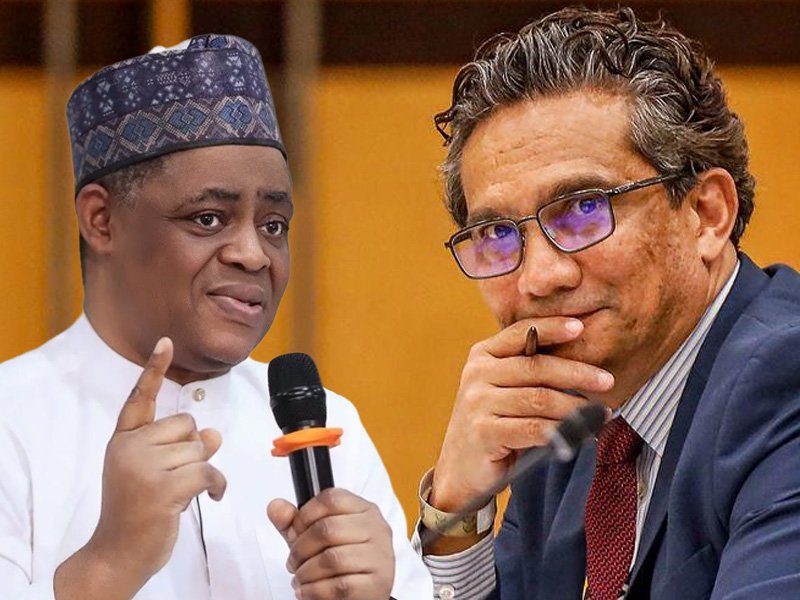
South Africa’s Department of International Relations and Cooperation (DIRCO) has summoned Nigeria’s High Commissioner, Femi Fani-Kayode, following a disagreement surrounding his presentation of diplomatic credentials to President Cyril Ramaphosa and comments he subsequently made on social media.
The meeting took place on Tuesday, November 17, between Fani-Kayode and DIRCO Director-General Zane Dangor, who conveyed the South African government’s concerns about the incident.
The dispute began after Fani-Kayode accused South African authorities of excluding his introduction and speech from the televised broadcast of his accreditation ceremony on November 13.

Disagreement Over Accreditation Ceremony
Fani-Kayode presented his letters of credence to Ramaphosa alongside 14 other diplomats at the Sefako Makgatho Presidential Guest House in Pretoria.
Following the ceremony, he alleged that the introductions and speeches of the other diplomats were broadcast, while Nigeria’s segment was omitted from the livestream.
He described the incident as disrespectful to Nigeria and said he raised the matter directly with Ramaphosa.
However, the South African presidency disputed suggestions that the president had deliberately excluded the Nigerian envoy. His spokesperson, Vincent Magwenya, said Ramaphosa had directed Fani-Kayode to the appropriate broadcasting official rather than intervening in the operations of the public broadcaster.
The presidency subsequently released a separate recording containing Fani-Kayode’s full speech.
According to “TheCable” the ambassador had also declined an interview request from the South African Broadcasting Corporation following the controversy.
South Africa Calls for Official Diplomatic Channels
During the November 17 meeting, Dangor reminded Fani-Kayode of Article 41 of the Vienna Convention on Diplomatic Relations, which requires diplomatic agents to conduct official business with their host governments through the appropriate foreign affairs ministry.
South Africa emphasised that official communications should be channelled through established diplomatic procedures, including DIRCO.
The “South African government’s official statement” confirmed the meeting and said the government remained committed to maintaining constructive engagement with Nigeria.
The “Daily Maverick” described the action as a diplomatic démarche, a formal diplomatic expression of concern or objection.
Both Countries Seek to Preserve Relations
Despite the disagreement, South Africa reaffirmed its commitment to strengthening its longstanding relationship with Nigeria, which it described as being founded on mutual respect, friendship and cooperation.
The incident comes against the background of wider concerns in Nigeria over the treatment and safety of Nigerian citizens in South Africa, including allegations of xenophobic attacks and mistreatment.
Both countries maintain important diplomatic, economic and political ties, making the handling of the latest disagreement significant for their bilateral relationship.