Hundreds of people marched through Durban on Wednesday, 30 September, calling for tougher action against undocumented migrants on a deadline set by the protest organisers themselves.
The deadline had no legal force. South African authorities had not ordered undocumented foreign nationals to leave by that date. The Associated Press reported that the deadline had been set unilaterally by the protest movement rather than by the government.
The Durban march was led by March and March, a movement whose leader, Jacinta Ngobese-Zuma, has accused the government of failing to control the borders and respond to pressure on public services.
Smaller demonstrations also took place elsewhere, including Cape Town, where GroundUp reported that about 25 people marched to the Western Cape legislature on 30 September.
A Second Unofficial Deadline
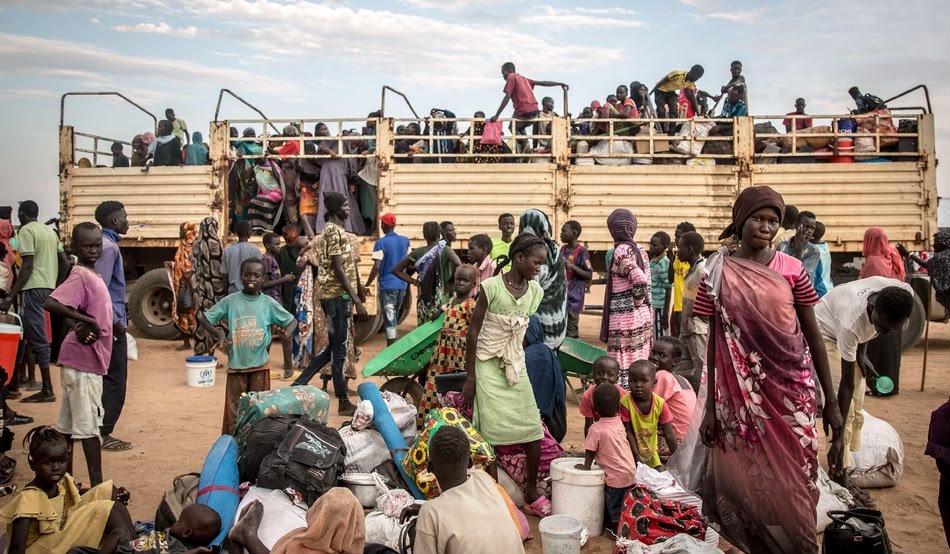
Anti-migrant groups had set a similar deadline for 30 June. That earlier campaign took place amid attacks and threats against foreign nationals, prompting some African governments to help citizens return home. GroundUp reported that the June mobilisation was accompanied by heightened tensions and fears of violence.
The scale of those returns needs careful description.
In an official July migration briefing, South Africa’s government said 53,449 foreign nationals had been processed for deportation or repatriation by 11 July.
The government distinguished the two procedures: repatriation refers to returning a person to their country of origin, while deportation is a formal legal process through which the state removes a non-citizen.
The government also made clear that immigration enforcement is the responsibility of state authorities. It warned against vigilantism, unlawful searches, intimidation and attempts by members of the public to carry out informal immigration enforcement.
What Happened at Wednesday’s March
Some Durban protesters carried sticks, batons, sjamboks and traditional weapons. GroundUp also reported that the demonstration had been presented as part of a national day of action against gender-based violence and femicide.
Accounts of whether the march was peaceful differ.
The Associated Press reported that police had not recorded violence against foreign nationals during the protest.
However, GroundUp reporters at the scene said they witnessed protesters assault a man outside his apartment. The man told them he was South African and had been mistaken for an immigrant.
GroundUp also reported that protesters threatened people at migrant-run shops, causing several businesses to close for the day.
Those accounts should not be collapsed into a claim that no violence occurred. Police reporting and what journalists witnessed describe different sources of information.
What Happens Next
It remains unclear whether the September deadline will lead to another increase in organised returns.
What is established is that the deadline came from a protest group, while decisions about immigration status, deportation and lawful removal remain with South African authorities.