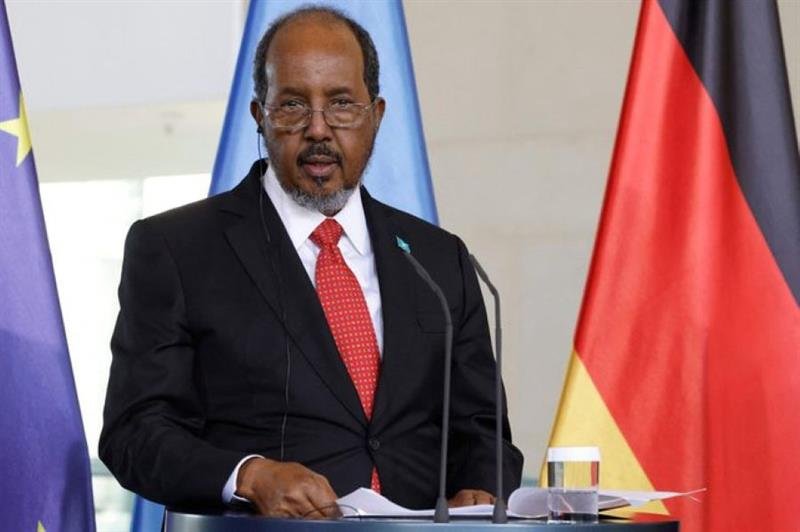
Somalia’s Supreme Court has ruled that President Hassan Sheikh Mohamud’s one-year extension in office was unlawful, saying constitutional amendments passed earlier this year did not apply to his current presidential term.
The ruling, delivered on Thursday, November 5, means Mohamud’s tenure should have ended in May 2026, according to the court’s interpretation of the country’s constitutional provisions.
The government had declared a one-year transition period to prepare for Somalia’s first nationwide democratic elections, expected in April and May 2027. Mohamud defended the extension on the grounds that it was permitted under constitutional amendments passed by parliament in March.
However, opposition parties rejected the changes, describing the extension as an attempt to consolidate presidential power. The dispute had already contributed to violent clashes in the capital, Mogadishu.
According to “Africa news, reporting with AFP” the Supreme Court determined that the amendments did not extend the incumbent president’s existing mandate.

Court Rejects Dismissal of Chief Justice
The ruling comes amid a separate dispute between the presidency and the judiciary.
On Wednesday, November 4, the presidency announced that Mohamud had dismissed Chief Justice Bashe Yusuf Ahmed and intended to appoint a replacement.
The Supreme Court subsequently rejected the move, declaring the dismissal null and void and arguing that the president could not remove the chief justice through that procedure.
The timing of the announcement, coming shortly before the court’s decision on the presidential term, has intensified concerns about the independence of Somalia’s judiciary and the growing institutional confrontation.
Court Sets Timeline for Political Agreement and Elections
The Supreme Court has directed political parties to reach an agreement on an electoral framework within 30 days, with elections expected to take place within 90 days.
The timetable places pressure on Somalia’s political leadership to resolve the dispute over the country’s electoral arrangements and the transfer of power.
However, it remains unclear how the ruling will be implemented, including whether Mohamud will leave office and how the court’s election timetable will be enforced.
Somalia is also dealing with a prolonged insurgency by the al-Shabaab militant group, making the political dispute an additional challenge for a country already facing significant security and governance pressures.
The court’s decision therefore raises questions about the country’s constitutional order, the independence of its institutions and the prospects for a peaceful electoral transition.