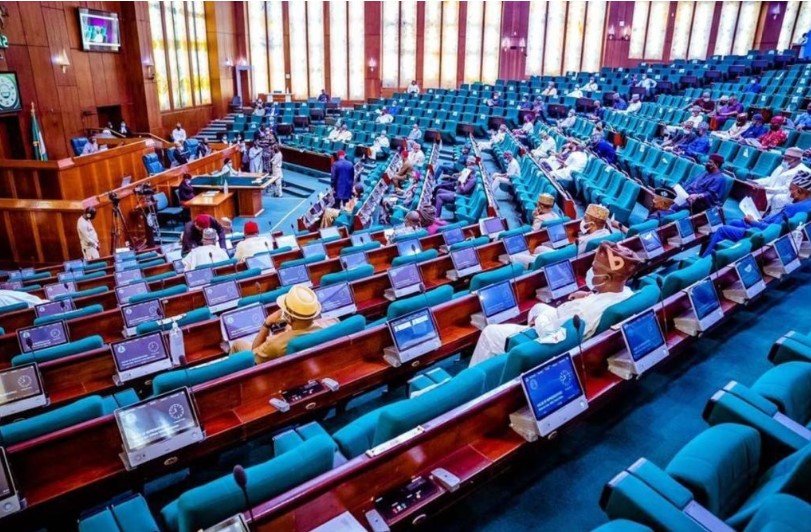
PUNCH reported the central development. Nigeria’s Senate has demanded accountability for the deaths of 37 young artisans who died while held by the Nigeria Security and Civil Defence Corps in Minna, Niger State. During Wednesday’s proceedings, senators called for sanctions or the prosecution of officers found culpable, compensation for bereaved families, and implementation of recommendations from an independent investigative panel. The motion was introduced by Senator Mohammed Sani Musa of Niger East. The men died following arrests connected to an operation against suspected illegal mining in September. A Senate resolution is an important political demand, but it is not itself a criminal conviction or proof of liability against a named officer.
Investigation and Conditions of Detention
PUNCH reported that a federal investigative committee examined the circumstances and identified serious failures. Earlier accounts of the incident were contested; subsequent reporting attributed the deaths to severe overcrowding, heat, dehydration, and neglect rather than a disease outbreak. Those findings raise broader questions about how detainees are counted, supervised, given water and medical attention, and transferred when conditions become unsafe. The full evidence and any formal findings against individuals should be handled through lawful investigative and judicial processes. Families also need an accessible record of what happened and a clear explanation of which institutions will implement reforms.

Senate Oversight Plans
Senators resolved that committees responsible for Interior, Human Rights, Police Affairs, and Judiciary should monitor implementation and report back. A further amendment added the committee on Solid Minerals, reflecting the context of the arrests. The chamber also planned a condolence delegation and observed a minute of silence. These measures create opportunities for follow-up but do not guarantee that recommendations will be fulfilled. Meaningful oversight would involve published progress, deadlines, evidence of disciplinary steps, and confirmation of payments to affected households. Without those details, motions risk remaining statements of concern rather than enforceable accountability.
Illegal Mining Debate Must Remain Separate
The proceedings included calls for firmer action against illegal mining, which can cost public revenue and expose workers and communities to danger. However, lawmakers also warned against treating the deceased as proven offenders. A suspected offence does not remove a person’s right to humane detention, due process, or medical care. Effective mineral-sector regulation requires lawful enforcement against unauthorised operations and an equally firm commitment to protect everyone in state custody. Conflating the two questions could obscure responsibility for the deaths. Authorities should determine any underlying offence through evidence while independently examining the officers’ conduct and the detention environment.
The Broader Duty of Care
Deaths in custody raise urgent practical questions about capacity, supervision, and the availability of emergency medical care in detention facilities. Agencies exercising arrest powers should keep records that allow independent investigators to reconstruct who was held, for how long, and under whose authority. Families should receive information through a consistent official process rather than relying on competing public claims. Transparency can protect the integrity of investigations as well as the rights of victims, staff, and people later accused of wrongdoing.
Families Await More Than Promises
The families of those who died will need direct communication about compensation, legal findings, and any disciplinary action rather than information only from parliamentary debates. Public release of appropriate findings, while protecting sensitive evidence, would help counter speculation. The Senate’s planned oversight should establish who is responsible for each recommendation and how delays will be explained. Reform can only be described as implemented when safeguards are operating in detention facilities, not merely when committees submit reports.
What Justice Would Require
Compensation can address part of the harm experienced by families, but it cannot replace a credible account of the deaths or appropriate sanctions. Preventive reforms might include enforceable occupancy limits, regular medical checks, custody registers, emergency response procedures, and independent inspections. Agencies should also ensure officers understand that detention creates a positive duty of care. For the public, the immediate test is whether the government discloses how the panel’s recommendations are being acted upon. The longer test is whether future detainees face safer conditions and families can seek redress when those standards are breached.
What Readers Should Watch
The incident is also a test of whether oversight can produce concrete corrections in the management of security detention facilities. Parliamentary committees could request progress updates on the report’s recommendations, the status of each relevant investigation, and the support offered to relatives. Every institution must distinguish findings from allegations and protect due process while responding to the documented loss of life. Failure to follow through would deepen public distrust.
Trivane View
Enforcing mining rules and respecting detainees are compatible obligations. Investigations, public reporting, and consequences for any officer found responsible should proceed without prejudging the victims.
Related Trivane News
State Police Bill Nears Tinubu as 32 Assemblies Back Amendment