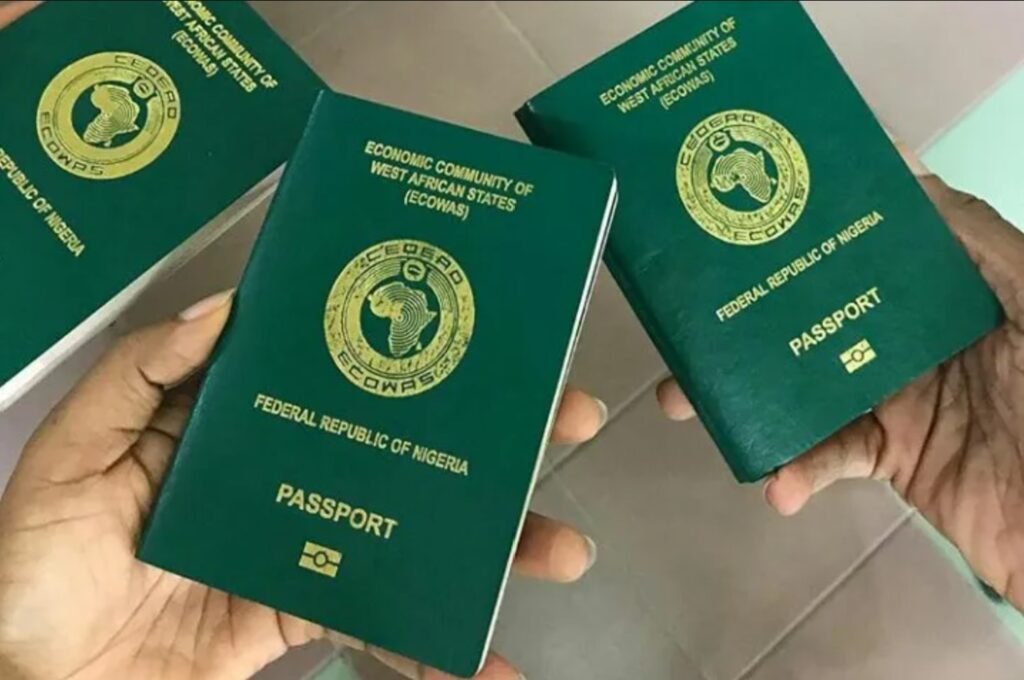
Nigeria’s newly signed migration agreement with the European Union has attracted scrutiny following reports that the bloc made almost €100 million available in additional funding for broader migration and security cooperation.
The agreement, signed in Abuja on November 10 after approximately a decade of negotiations, establishes procedures for identifying and returning Nigerian nationals who no longer have the legal right to remain in EU member states.
However, questions have emerged over the financial and migration-related benefits Nigeria will receive under the arrangement, particularly after differing explanations from Nigerian and European officials.
According to “Euronews” published on November 12, Nigerian media reported that EU officials had pledged almost €100 million in additional funding to support migration management and security cooperation.
The reported commitment was attributed to Johannes Luchner, a member of the EU delegation involved in the negotiations. He reportedly said discussions would begin with Nigerian officials on areas including anti-trafficking initiatives, anti-drug trafficking, and legal migration pathways.

EU Rejects Claims of a Transactional Agreement
Responding to questions about the reported funding, the European Commission clarified that the readmission agreement should not be interpreted as a direct exchange of financial concessions for accepting returned migrants.
During a press briefing on November 12, a Commission spokesperson described the agreement as part of a broader partnership based on mutual trust, shared responsibilities and common interests.
The Commission also explained that cooperation between both parties extends beyond returns to include legal migration, sustainable reintegration, border management, and efforts to combat migrant smuggling.
Meanwhile, Nigeria’s Ministry of Information confirmed that the agreement followed negotiations lasting approximately ten years and was intended to strengthen cooperation on migration management.
Who Could Be Affected?
The agreement concerns Nigerians who no longer have the legal right to enter, remain, or reside in EU member states.
It establishes procedures for identifying individuals and facilitating their return, subject to applicable national and international laws.
The arrangement does not apply automatically to Nigerians who hold valid permission to live, work, or study in European countries.
The European Commission has also clarified that the agreement must undergo further approval procedures, including consent from the European Parliament, before it can formally enter into force.
Trivane View
The central issue is not simply the return of irregular migrants, but whether broader cooperation will produce tangible benefits for Nigerians through safer migration routes, stronger anti-trafficking measures, and improved opportunities for legal migration. Transparency over the reported funding and its intended use will be important in assessing what the partnership delivers.