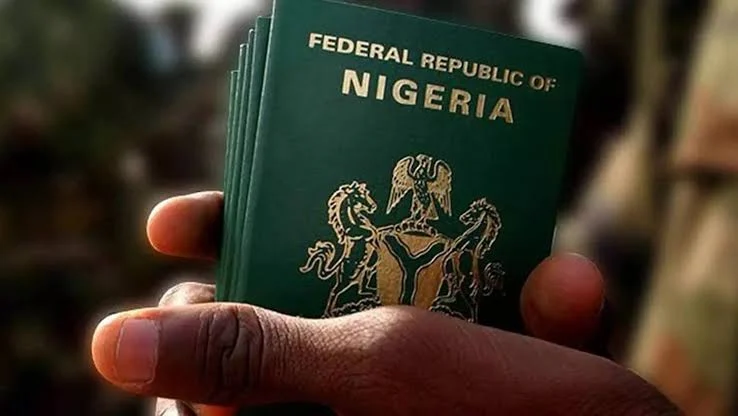
Nigerians living overseas can renew eligible passports through a remote application system without travelling to a Nigerian embassy, Interior Minister Olubunmi Tunji-Ojo said on Friday, November 20, as the federal government began work on a new passport-booklet production centre in Abuja. The minister described the reforms as an effort to cut travel expenses, missed working hours, and dependence on agents for routine documentation.
A renewed assurance, not a new launch
PUNCH reported that Tunji-Ojo made the remarks at the groundbreaking ceremony for a $70 million National Passport Booklet Production Centre at the Nigeria Immigration Service headquarters in Sauka, Abuja. He said applicants overseas could complete contactless renewal on mobile devices and receive their documents through the mail, rather than making long journeys to diplomatic missions.
The announcement is significant for Nigerian workers, students, and families abroad. Renewing a passport can involve taking time off work, arranging transport, and securing an appointment, sometimes across national or regional borders. Removing an unnecessary in-person visit can make an ordinary administrative task less disruptive, particularly for people who live far from a consular office.
However, contactless passport renewal was not launched for the first time on November 20. The Nigeria Immigration Service had already introduced the system and circulated application guidance earlier in 2026. Channels Television reported in July that applicants found ineligible during verification would still be required to book a physical appointment at a diplomatic mission. The distinction matters because the minister’s statement should not be interpreted as a promise that every applicant, regardless of circumstances, can complete every step remotely.
Who can use the online route?
Applicants must satisfy the requirements of the contactless system. The official passport portal is the appropriate starting point for determining eligibility and following the renewal process; advice from informal intermediaries should not replace instructions from the Immigration Service. Those requiring a first passport, a correction, or additional verification may encounter different requirements from straightforward renewals.
Government claims about convenience will ultimately be judged against applicants’ experiences. Successful online submission is one stage; verification, printing, dispatch, and final delivery must also work reliably. A service that removes embassy visits but introduces long, unpredictable delivery times would solve only part of the problem.

Passport production and delivery
BusinessDay reported that the new production-centre project is intended to address booklet supply and the wider passport process. The project’s groundbreaking does not mean the facility is already operational, nor does its announced value establish a completed improvement in passport availability. Implementation timetables and measurable service standards will determine whether the investment produces shorter waits.
The minister also linked the wider digitalisation drive to action against touting and unofficial charges. That ambition will require transparent official fees, reliable application tracking, and responsive channels for resolving failed payments or missing deliveries. Clear public instructions are especially important for diaspora applicants, who may otherwise be vulnerable to false promises from unofficial service providers.
Nigeria has previously deployed mobile passport intervention teams to reach communities overseas. Those exercises address demand for in-person consular services, while contactless renewal aims to reduce routine visits for applicants who qualify. The two approaches can coexist, but their roles should be explained clearly so citizens know which service applies to their needs.
What comes next
For overseas Nigerians, the practical test is simple: can they renew eligible documents securely, pay only official charges, and receive their passports within a predictable period? Publishing eligibility rules, processing performance, and delivery arrangements will help families plan travel without relying on conflicting information. The November assurance strengthens expectations; the next measure of success will be consistent delivery.
Practical questions for applicants
Before beginning any renewal, citizens should verify that their current passport details, contact information, and delivery address are correct. They should keep copies of payment acknowledgements and application references, and check official guidance rather than assuming all online advertisements describe authorised services. Travellers whose documents are close to expiry should also consider whether the time required for processing and postal delivery fits their travel plans. People with urgent journeys or exceptional documentation problems may need guidance from the relevant Nigerian mission, even where routine contactless renewal is available. These practical issues help explain why reliable support remains essential alongside the promise of an easier digital service.
Related Trivane News
Nigerians in UK Get More Time for Passports as Exercise Runs to November 27
Nigerians in Northern England Seek Permanent Nigerian Passport Office in Manchester