A Federal High Court in Abuja has ordered investigative journalist Daniel Ojukwu to remain at the Kuje Correctional Centre pending the hearing of his bail application on 1 December 2026. The decision was made on Tuesday, 10 November, with fresh reporting and criticism emerging on Wednesday. Ojukwu, a correspondent for the Foundation for Investigative Journalism, pleaded not guilty to 12 charges involving alleged cyberstalking and related offences. According to PUNCH, Justice Joyce Abdulmalik declined a request to let him continue under his earlier administrative bail arrangement. The remand is a procedural court order, not a verdict on whether the allegations are true. No conviction has been reported.

Why Is a Journalist Facing Criminal Charges?
The case concerns a series of investigative reports published in 2023 and 2024 about spending and contracts associated with the office of Adejoke Orelope-Adefulire, a former presidential aide on Sustainable Development Goals. Prosecutors allege that the publications breached provisions of Nigeria’s cybercrime law; those claims remain allegations to be tested in court. Ojukwu’s reporting raised questions about the use of public money, but a court case over the articles should not be confused with a judicial determination that the underlying financial allegations were established. Readers also need to distinguish the prosecution’s specific claims from broader criticism that criminal proceedings can discourage scrutiny of powerful officials.
What Happened at the Bail Hearing?
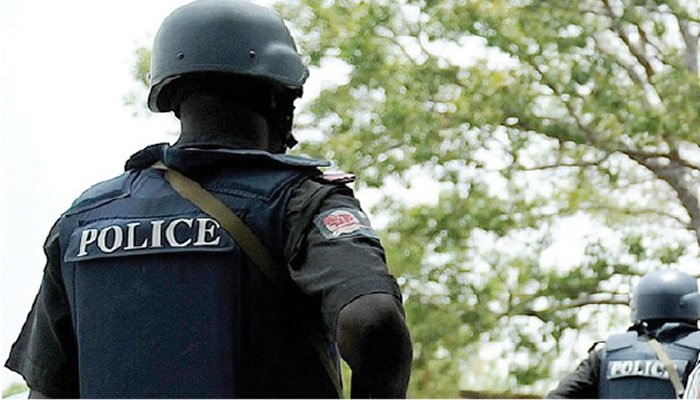
Defence lawyers asked the court to consider that Ojukwu had previously received administrative bail and, according to his lawyers, had complied with its conditions. The court did not resolve the fresh bail application at the Tuesday hearing and instead scheduled it for December. According to TheCable, the police brought the case following publication of reports involving the presidential aide’s office and prosecutors asked for the journalist’s detention after the charges were read. The longer interval before the next hearing matters because the reporter faces weeks in custody without being convicted. The judge’s procedural ruling and lawyers’ objections should both be described accurately, without implying the court has ruled on the substance of every charge.
Why Has the Case Drawn Public Concern?
Press organisations and civil-liberties advocates have frequently warned that cybercrime provisions can be used against journalists who investigate alleged wrongdoing. According to Associated Press, Amnesty International criticised Ojukwu’s detention and expressed concern about the effect of judicial proceedings on freedom of expression. Those objections do not in themselves establish unlawful conduct by prosecutors or predetermine the outcome of the case. They do, however, raise a legitimate public-interest question about how criminal law is applied when a publication examines public expenditure. Criminal proceedings and the protection of a free press can both be discussed without asserting that any party has already won its argument.
What Is the Significance of His Earlier Detention?
Ojukwu was detained in 2024 in connection with the same investigative reporting and released after public pressure. The recurrence of proceedings has therefore renewed attention to how long criminal investigations can remain active and how reporters respond to official complaints. It is essential to avoid describing an earlier detention as proof of either guilt or innocence. The history is relevant because it helps explain why the new remand has prompted concern from journalists and rights groups. Investigative reporting on procurement, contracts, and the allocation of public funds serves a public-accountability function, although publications also remain responsible for accuracy and fair treatment of the people named in their reports.
What Happens Next?
The immediate milestone is the bail hearing scheduled for 1 December. Lawyers may present arguments about continued custody, while the prosecution is entitled to advance its case under the applicable rules. Further hearings would need to test evidence about the charged communications and the legal requirements of each alleged offence. Public debate should distinguish a request for bail from a decision about guilt, and should avoid treating claims made in a charge sheet as independently verified facts. The wider issue is whether journalists and public officials can rely on clear, proportionate legal processes when reporting and official reputations are in dispute.
What Should the Public Watch in the Proceedings?
The charges, the legal provisions relied upon, defence responses, and court orders should be assessed separately from commentary circulating online. A hearing about bail primarily concerns the conditions under which a defendant may remain at liberty while the case proceeds; it does not resolve the truth of disputed reports. Journalists following the case should seek accurate copies of court records and offer relevant parties an opportunity to respond. Readers should also be told when a lawyer is making an argument rather than when a judge has made a finding. That distinction is vital in reporting a prosecution involving a fellow journalist.
Trivane View
The presumption of innocence and the public’s right to scrutinise government spending both matter. Officials should make the case’s legal basis clear, and courts should consider liberty and fair-trial safeguards while the charges are tested.
Related Trivane News
Governance Gaps Raise Concerns Over Oversight in Nigeria’s Federal Health Institutions
Nigeria Pivots Toward Private Investment Funding