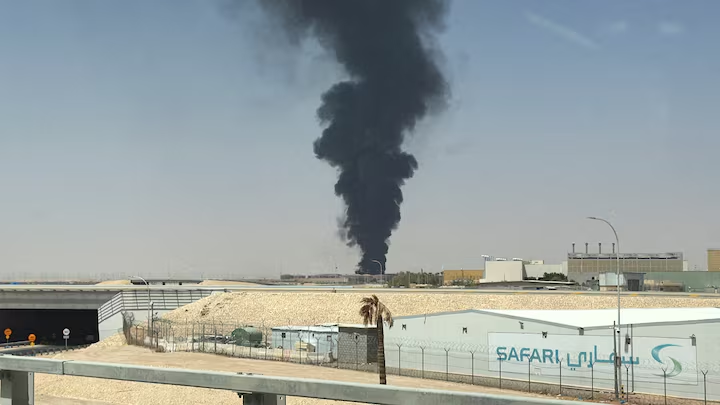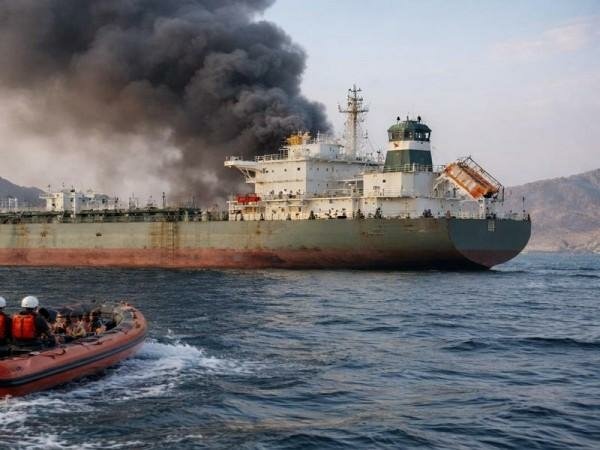
An alleged explosion aboard a gas tanker in the Strait of Hormuz has renewed concern over the safety of commercial shipping through one of the world’s most important energy corridors. Iran’s Revolutionary Guards Navy said on Friday, 13 November 2026, that a gas carrier struck a naval mine while using a route the military described as unauthorized. The vessel’s name, flag, precise location, and the condition of its crew were not immediately identified. Those gaps mean the incident cannot yet be described as independently verified.
According to Reuters, the announcement followed Iranian accounts of explosions involving four oil tankers on Thursday. Iranian officials said vessels ignored warnings about restricted routes. The sequence of reports comes amid a conflict that has disrupted the strait for months, even as shipping activity has partially recovered. It would be premature to conclude that the same weapon, operator, or circumstances explain every reported incident.

Why are accounts of the tanker different?
The available descriptions are not entirely consistent about the cargo. Associated Press reported the Iranian claim as involving a liquefied petroleum gas tanker, while the earlier Reuters account referred to liquefied natural gas. LNG and LPG have different cargo compositions and supply chains, so the distinction matters for precise reporting. Neither description should be treated as settled without the ship’s identity, cargo documentation, or an independent incident notice.
The Associated Press also said there had been no immediate independent confirmation from UK Maritime Trade Operations of this particular alleged mine strike. A reported explosion is not the same as a verified mine detonation: fire, projectile impacts, and other hazards may require separate examination. Reporting should retain attribution to Iranian authorities until maritime agencies or the vessel’s operator provide evidence.
What do maritime security notices show?
The United Kingdom Maritime Trade Operations Agency maintains a public record of reported threats to ships in the region. Earlier November alerts described tankers hit by unidentified projectiles, with some crews reported safe and other incidents still under investigation. These alerts demonstrate a real pattern of danger but do not validate every additional allegation issued by a party to the conflict.
Financial Times earlier examined an attack involving explosive devices attached to a tanker hull, describing concern among security specialists about a possible shift in tactics. That was a separate incident, not proof of Friday’s unnamed gas carrier. The range of reported attack methods underlines why investigators need vessel-level evidence before assigning responsibility or determining whether a mine was involved.
Why does Hormuz matter beyond the Gulf?
The strait connects the Persian Gulf to the Gulf of Oman and offers an essential route for oil and gas exports. Disruption can raise shipping insurance premiums, lengthen journeys, and affect delivery schedules even before a significant physical supply shortage emerges. Shipowners weigh the risks to crews and vessels against contractual commitments, while governments monitor the consequences for energy security.
For import-dependent economies, the effects can reach fuel costs, freight charges, and consumer prices. However, an isolated report of an explosion does not automatically establish a change in global oil or gas prices. Those outcomes depend on actual cargo losses, shipping delays, market expectations, and whether further incidents occur.
Maritime incidents also create uncertainty for seafarers whose work continues irrespective of the diplomatic dispute. Reliable crew-safety information, medical access, and communication with families should be reported promptly by the competent authorities. These human consequences are distinct from the financial exposure of shipowners and commodity traders.
What happens next?
Independent confirmation of the tanker’s identity and condition is the immediate reporting priority. Its operator, flag state, and maritime security authorities may be able to clarify crew safety, cargo, damage, and the suspected cause. Until then, the headline development is Iran’s report, not a fully verified account of a gas tanker destroyed by mines.
Further diplomatic signals will also matter. Markets have been responding to signs of possible de-escalation, while shipping companies continue to confront operational threats. The gap between political assurances and safe passage remains a critical question for commercial traffic through the strait.
Trivane View
The competing descriptions and the absence of vessel identification warrant caution. Trivane treats the Iranian military account as an attributed claim, while separately recognizing the documented risks in the shipping corridor. Firm conclusions about responsibility, casualties, or environmental damage require corroboration.
Related Trivane News
Iran Claims Four Tankers Hit Mines in Strait of Hormuz as Shipping Risks Mount
Iran Offers to Reopen Strait of Hormuz if US Eases Military Pressure