A historic judgment against Myanmar
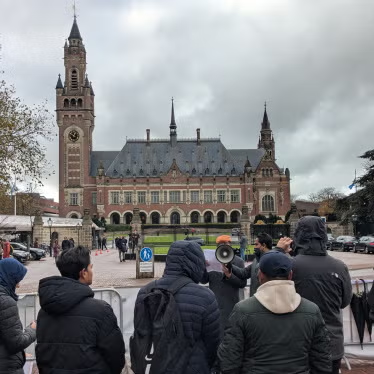
The International Court of Justice (ICJ) has found Myanmar responsible for committing genocide against the Rohingya population during the military’s 2017 clearance operations in northern Rakhine State.
The judgment, delivered on November 19, 2026, followed a case brought by The Gambia in 2019 under the Genocide Convention. It marks the first time the UN’s highest court has found a state responsible for committing genocide.
According to the “ICJ’s official announcement of the judgment” the court found that Myanmar violated its obligations to prevent and punish genocide and failed to enact the necessary national legislation to give effect to the convention. It also found that the country breached an earlier court order requiring measures to protect evidence relating to the allegations.

Findings of widespread violence
The court found that Myanmar’s security forces committed acts including killings, serious bodily and mental harm and measures intended to prevent births within the Rohingya group.
The judgment also considered the destruction of Rohingya villages and the circumstances surrounding the displacement of members of the community during the 2017 operations.
In its ruling, the court found that Myanmar had failed to prevent genocide and punish those responsible. However, it did not find that the country had directly and publicly incited private individuals to commit genocide.
The “United Nations Secretary-General’s response” described the decision as a significant recognition of the suffering of Rohingya victims and survivors.
Myanmar ordered to provide reparation
The ICJ directed Myanmar to take immediate and effective steps to investigate individuals reasonably suspected of involvement in the prohibited acts and to prosecute and punish them where warranted.
It also ordered the country to provide guarantees against a repetition of the violations and to adopt measures of restitution for the Rohingya population. These include facilitating the safe, voluntary, and dignified return of displaced people and the reunification of families.
The court further ordered Myanmar to compensate the Rohingya community and its members for the damage caused. However, the amount and modalities of compensation will be determined in a subsequent phase of the proceedings.
Myanmar must submit a report to the court within two years outlining the restitution measures it has adopted and the proposed compensation arrangements.
A legal victory amid an unresolved humanitarian crisis
The ruling comes after years of displacement and uncertainty for the Rohingya, many of whom fled Myanmar for neighbouring Bangladesh during the 2017 military operations.
According to the “Associated Press’s report on the judgment” approximately 1.2 million Rohingya refugees remain in Bangladesh, where many continue to live in difficult conditions.
Although the ICJ’s judgments are legally binding and final, the court has no independent enforcement force. Compliance will therefore depend on Myanmar’s response and the willingness of the international community to press for implementation.