G7 leaders have agreed to coordinate the release of 100 million barrels of oil and fuel reserves over four months in an effort to ease pressure on energy markets. A substantial amount of diesel is due to be released during the first 20 days.
The agreement followed a video meeting on Friday chaired by French President Emmanuel Macron. In a joint statement published by the French presidency, the leaders said the release would begin immediately and be coordinated through the International Energy Agency, or IEA. They did not give a country-by-country breakdown or say exactly how much of the total would be diesel. (elysee.fr)
The announcement comes as diesel prices have risen sharply in several countries. In the UK, the RAC said on Friday that the average pump price had reached 200.01p per litre, passing £2 for the first time. Higher fuel costs affect drivers directly and can raise delivery and operating costs for businesses that rely on road transport. (media.rac.co.uk)
Why diesel is at the centre of the plan
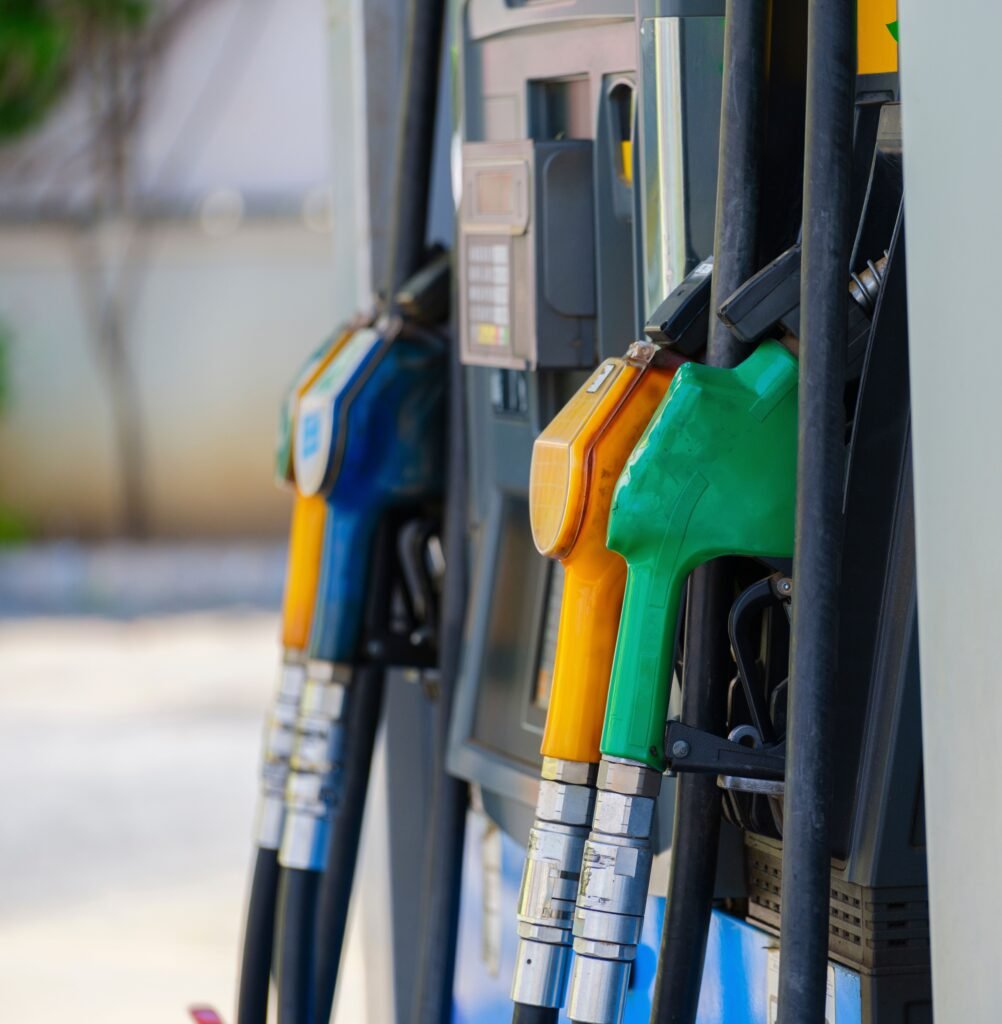
Diesel is used by lorries, buses, agricultural equipment, and many private vehicles. When its price rises, the effect can spread beyond filling stations to the cost of moving goods and providing services.
Releasing stored diesel can make fuel available sooner than releasing crude oil, which must first be processed by a refinery. That helps explain why the G7 wants to bring forward a substantial diesel release within the first 20 days, although its statement does not specify the quantity for that initial period.
The leaders also agreed to coordinate maintenance schedules at G7 refineries so that too many plants are not out of operation at once. Where possible, they want refineries to increase their use of existing capacity. They said they would encourage other countries with significant refining capacity to produce more fuel, particularly diesel. Those measures address supply alongside the release from reserves. (elysee.fr)
How the reserve release will work
Emergency reserves are stocks held so countries can respond to a serious disruption in supply. The IEA coordinates action among participating countries, but each country’s contribution and the timing of fuel reaching buyers still matter.
Friday’s statement refers to commitments made in March and says the 100 million-barrel release takes account of commitments already fulfilled. It should therefore not be described as 100 million barrels added on top of every earlier reserve release. The G7 has asked the IEA to monitor implementation and report back within 20 days. Leaders said they would discuss the possibility of further diesel releases if needed. (elysee.fr)
The G7 also reaffirmed that its members should not restrict energy exports to one another. Export restrictions could leave fuel available in one country while worsening shortages elsewhere. The agreement does not, however, settle every question about how quickly reserves can be delivered or how they will be divided between diesel and other fuels.
What it could mean for prices
A larger supply may ease pressure in wholesale markets, but the agreement does not guarantee an immediate fall in pump prices. The outcome will depend on when the fuel enters the market, how much is released in each region, and whether the wider supply disruption continues.
For UK motorists, the record diesel price makes timing particularly important. Even if wholesale costs fall, changes at filling stations can take time to appear. The RAC’s £2 figure is a national average; individual forecourts may charge more or less. (media.rac.co.uk)
Fuel-importing countries in Africa may also watch the release closely because international oil and refined-fuel prices can affect import costs. Any effect on local pump prices will depend on factors in each country, including exchange rates, taxes, supply arrangements, and domestic pricing decisions. The G7 has not forecast a price reduction for Africa or any other region.
The immediate test is delivery: whether participating countries release the promised stocks on schedule and whether the early diesel supply reaches markets under the greatest pressure. The IEA’s first report should provide a clearer account of progress and whether further action is required. (elysee.fr)