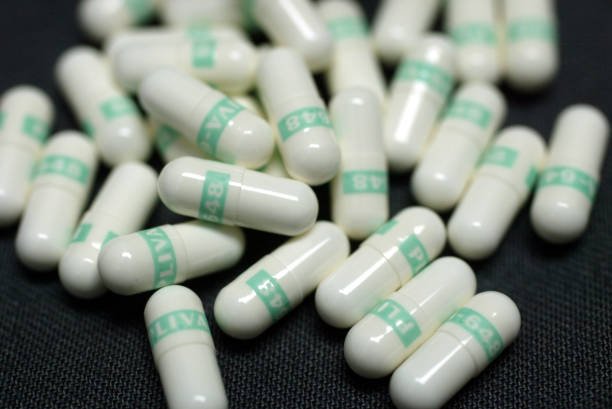
Hundreds of children in England have received prescriptions for GLP-1 medications, a class of drugs increasingly used in obesity treatment, including some children younger than 12, according to an investigation published by The Guardian on November 14.
The findings have raised questions about the growing use of weight-loss medication among children, particularly as health experts warn that treatment must be carefully supervised because of the limited evidence available on its long-term effects during childhood development.
The investigation, conducted by The Guardian, found that 419 prescriptions for GLP-1 medications were issued to people under 18 during the 2025–26 financial year. Ten of those prescriptions were for children younger than 12.
Between April and July 2026, a further 341 prescriptions were recorded for under-18s, including 15 for children below the age of 12.
The figures were obtained through freedom of information requests to the NHS Business Services Authority.

What are GLP-1 medications?
GLP-1 medications were initially developed to help people with type 2 diabetes manage blood sugar levels. Some medicines in this class are also approved for weight management under specific clinical conditions.
They work by acting on hormone pathways involved in appetite regulation and blood sugar control, helping people feel fuller and reducing food intake.
Medicines in this category include semaglutide and other treatments sold under brand names such as Wegovy and Mounjaro, although their approved uses and age restrictions differ.
The Guardian’s figures relate to prescriptions dispensed in community settings and do not include private prescriptions or medicines dispensed in hospitals and prisons. The actual number of children receiving these medications could therefore be higher.
The data also does not establish that every prescription was issued specifically for weight loss, as some GLP-1 medicines are used to treat diabetes.
Experts warn about long-term monitoring
Health specialists have stressed that children receiving these medications require close medical supervision, particularly because their bodies are still developing.
Martin Whyte, a professor of metabolic medicine at the University of Surrey, said treatment should take place within specialist services that provide support for nutrition, growth, and general wellbeing.
He also highlighted the need to monitor puberty, mental health, eating behaviours, nutritional intake, and possible side effects.
One concern is that weight may return after treatment stops, while evidence on the long-term effects of GLP-1 use in growing children remains limited.
The investigation also reported that some NHS specialist clinics have used these medicines for children with severe obesity who have not achieved sufficient results through conventional dietary, nutritional, and psychological support.
WHO advises against obesity medicines for children under 10
The growing use of these treatments comes after the World Health Organization released its first global guidelines on managing obesity in children and adolescents in October 2026.
In its “October 7 guidance” the WHO recommended against using pharmacological treatments, including weight-loss medications, for children aged zero to nine.
For adolescents aged 10 to 19, the organisation said approved medicines may be considered only when supervised programmes involving lifestyle changes have not achieved the desired results.
The guidelines place emphasis on structured dietary support, physical activity, and behavioural interventions as the foundation of childhood obesity management.
The WHO estimated that 170 million children and adolescents aged five to 19 were living with obesity in 2024, highlighting the scale of the global challenge.
Childhood obesity remains a growing concern.
In England, figures from the National Child Measurement Programme show that 10.7 per cent of children aged four to five were living with obesity, rising to 22.8 per cent among children aged 10 to 11.
The NHS has also expanded specialist services for children experiencing severe weight-related complications. Its Complications from Excess Weight clinics provide support for children and young people who require more intensive intervention.
However, specialists say medication should form part of a wider treatment plan rather than replace nutritional support, psychological care, and long-term lifestyle management.
Trivane View
The growing use of weight-loss medication among children highlights the need for effective responses to childhood obesity, but treatment must remain guided by strong medical evidence and careful supervision. Children have different developmental needs from adults, making long-term monitoring particularly important. Health systems must ensure that access to medication does not overshadow preventive measures, nutritional support, and the wider conditions that influence children’s health.