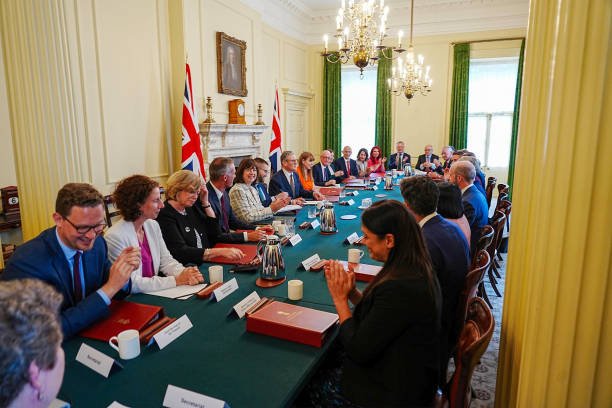
The British government has launched the search for England’s first Men’s Health Ambassador as part of a wider push to improve men’s physical and mental wellbeing, with additional guidance for local services and new funding planned for suicide prevention.
Announced on International Men’s Day, November 19, the initiative is intended to make health support easier to access in workplaces, neighbourhoods, and community settings. The ambassador has not yet been appointed; the government has begun a recruitment process for a national advocate who will help promote the issue across services.
Why Ministers Say Action Is Needed
The Department of Health and Social Care reported that 35 percent of deaths among men in England in 2025 occurred before age 75. It also said men in the most deprived areas can expect to die more than ten years earlier than those in the least deprived areas, with an even larger gap in years spent in good health.
These figures highlight the challenge of addressing health inequalities rather than simply encouraging more appointments. Work schedules, financial pressures, uneven access to local services, and reluctance to seek help can all make it harder to obtain support at the right time. The government’s approach is to help providers design services around the circumstances in which men live and work.
The new local guidance includes examples such as appointments scheduled to fit shift patterns and family responsibilities. It encourages coordination between the NHS, community organisations, workplaces, and other services so men can find support without navigating a fragmented system.

A National Voice, Not a New Clinic
The proposed ambassador will act as a national champion for men’s health, rather than run a new hospital or independently provide treatment. Ministers want the appointee to draw attention to overlooked needs, encourage better use of existing services, and build partnerships that reach communities where health outcomes are poorest.
Health Minister James Frith said the policy responds to physical-health challenges and the needs of men who do not always seek the help available to them. Minister for Men and Boys Jake Richards linked the initiative to loneliness, mental wellbeing, and the wider consequences of inadequate support for families and communities.
The announcement comes a year after England introduced its Men’s Health Strategy. The government has pointed to a community fund designed to test different outreach approaches, research investment, and work with local groups as evidence of its broader programme. The new appointment is therefore an additional measure, not the first action taken under the strategy.
Suicide Prevention Funding
A central part of the announcement concerns support for areas where middle-aged men face the highest suicide risk. Government figures indicate that roughly three in four people who die by suicide are men, making prevention a significant public-health priority.
Officials said applications would open soon for grants under a Suicide Prevention Pathfinders programme, with up to £3.6 million available to strengthen links between support services in high-risk areas. The wording matters: the government has announced planned grant opportunities, not that the full amount has already been distributed.
The Department of Health and Social Care also highlighted its Together Against Suicide partnership with the Premier League and Samaritans. The campaign has expanded across all 20 Premier League clubs, bringing messages about support into a setting that reaches many men who may be less engaged with conventional healthcare.
What Charities Want to See
Samaritans chief executive Julie Bentley welcomed the attention on suicide prevention but warned that asking men to speak up is insufficient if services respond with stigma or fail to listen. That concern shifts attention from publicity alone to the experience people have when they approach professionals or local support groups.
People’s Health Trust has similarly emphasised the value of trusted community settings and early help, especially for men working in sectors where stress and isolation can be significant. The effectiveness of the new campaign will depend on whether those groups can connect men with practical, accessible support.
How Success Could Be Measured
Officials will have to move beyond announcing an ambassador and show whether services become easier to reach. Relevant measures could include appointment availability, referral completion, uptake in underserved communities, and the accessibility of mental-health support. Improvements in these areas would offer more tangible evidence than campaign visibility alone.
The next milestones are the ambassador’s appointment, publication of grant application details, and evidence that local authorities and health providers are using the new guidance. Until those steps occur, the initiative should be described as a government commitment rather than a completed expansion of care.
Related Trivane News
UK Announces £40m GP Support Scheme for 300,000 Vulnerable Patients