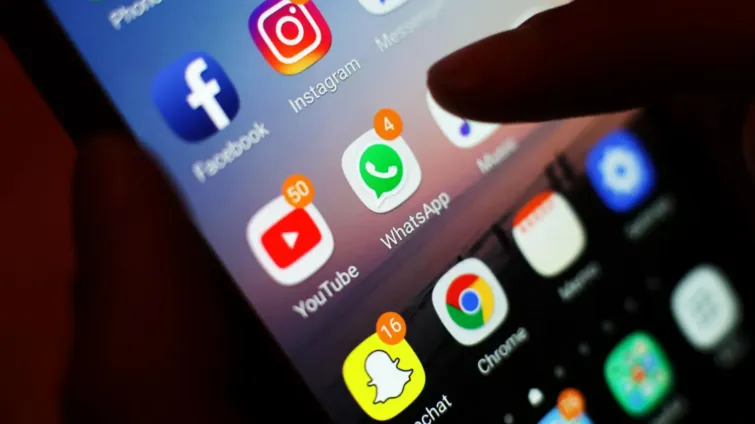
Gabon has lifted its eight-month suspension of major social media platforms, restoring access to services including Facebook, TikTok, YouTube, and Instagram after a restriction that drew criticism from opposition figures and digital rights advocates.
The High Authority for Communication (HAC), the country’s media regulator, announced the decision on Saturday, October 24, ending a suspension introduced on February 17.
However, the restoration comes alongside new regulatory arrangements designed to strengthen oversight of online content, meaning the return of access does not necessarily signal a return to unrestricted social media use.

Why Gabon suspended social media
The HAC imposed the ban in February, arguing that online content was fuelling conflict, spreading harmful material, and deepening divisions within society.
The restrictions affected major platforms used by residents for communication, entertainment, news, and business. WhatsApp access was also intermittent during the suspension, while some users turned to virtual private networks (VPNs) to bypass the restrictions.
According to “BBC reporting republished by MyJoyOnline”, the ban was introduced as President Brice Oligui Nguema faced mounting social unrest less than a year after his election. Teachers and civil servants had staged strikes over pay and working conditions, while opposition figures criticised the suspension as an abuse of power.
The restriction also affected a country where social platforms are important to small businesses and younger users who rely on digital channels to communicate, promote products, and reach customers.
What prompted the reversal?
In announcing the decision, the HAC pointed to changes in the country’s legal framework and improved cooperation with technology companies.
The regulator said it had established working arrangements with Meta, which owns Facebook and Instagram, as well as TikTok and YouTube. These arrangements are intended to improve the reporting and moderation of unlawful content.
The “Agence Gabonaise de Presse, Gabon’s national news agency”, reported that the regulator attributed the lifting of the suspension to new legal measures and dialogue with digital platforms.
The HAC also urged users to behave responsibly online and contribute to a digital environment that respects the rights of others.
Concerns over privacy and expression
Although the restoration allows users to reconnect to major platforms, concerns remain about how the new rules will be applied.
Reporting by “Africanews” indicates that users are now required to provide formal identification, raising concerns about online anonymity and the potential effect on people who criticise public officials.
Digital rights advocates have previously argued that broad restrictions on social media can limit freedom of expression and disrupt access to information. The lifting of the ban addresses the immediate loss of access, but questions remain about whether the new oversight arrangements could create fresh barriers to online participation.
The practical impact will depend on how the identification requirements are implemented, how platforms respond to government requests, and whether users can continue to express opinions without fear of disproportionate restrictions.
What happens next?
The restoration marks a significant change in Gabon’s digital policy after months of restrictions. Businesses, media organisations, and ordinary users can resume using major platforms, although the new regulatory framework may shape how those services operate.
The key test will be whether the government can address legitimate concerns about harmful online content without undermining freedom of expression and access to information.