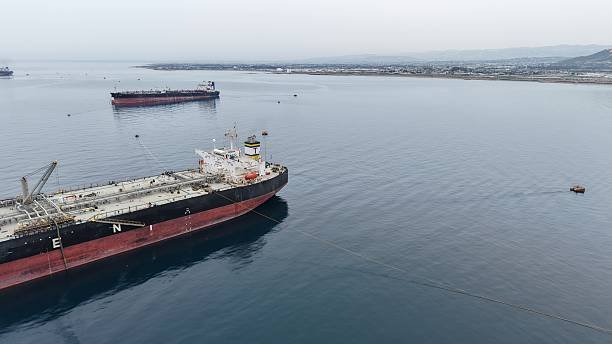
More than 176,000 tonnes of fuel, mostly diesel, were loaded at South Korean ports for shipment to Russia during July and August, according to an analysis of port records and ship movements by the Guardian. It identified seven tankers making 14 voyages to Russia’s far east.
Three of the vessels were under UK and EU sanctions, the investigation found. One took on fuel through a transfer between ships in South Korean waters rather than loading at a port terminal. The Guardian said the records did not establish who owned or sold the fuel.
What the findings show
The shipments come as Ukrainian strikes have disrupted Russian oil refining and increased Moscow’s need to import fuel. Reuters reported in August that traders had loaded nearly 30,000 tonnes of refined fuel in South Korea for Russia in late July. The Guardian’s later analysis covers a larger volume and more voyages across July and August.
The presence of a vessel on a UK or EU sanctions list does not, by itself, prove that a shipment from South Korea violated South Korean law. The Guardian reported that the fuel trade did not appear to breach Seoul’s rules, which focus heavily on exports of equipment and other goods that could be diverted to military use. The UK’s published Russia sanctions materials include specified ships, but the legal effect of those measures depends on the jurisdiction and activity involved.
Seoul’s response
South Korea’s foreign ministry did not directly address the individual shipments or tankers when contacted by The Guardian. It said the government supported international efforts to end the war and was enforcing its export controls on Russia. The UK Foreign Office also did not say whether it had raised the vessels’ use of South Korean ports with Seoul.
The outstanding questions are who supplied the fuel, who bought each cargo, and whether any authority will examine the voyages. For now, the verified finding is the movement of fuel through the reported routes, not a proven sanctions violation by South Korea.