Sudan faces a growing risk of famine as drought linked to the El Niño climate pattern compounds the effects of a civil war that has devastated communities, disrupted farming, and restricted humanitarian aid.
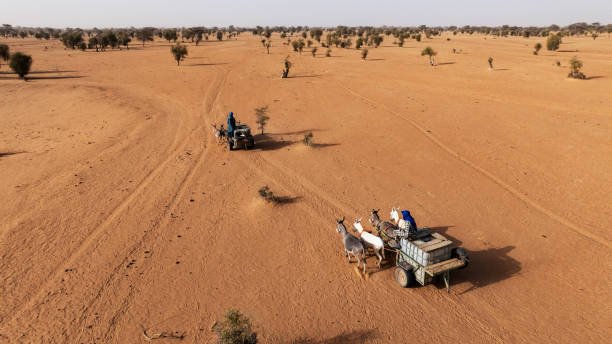
Rainfall across Sudan during the peak rainy season from July to September 2026 was the lowest in more than three decades, according to data cited in a “Reuters report published on October 23″
The dry conditions are damaging crops and weakening livestock, particularly in Darfur, Kordofan, and Gedaref, where communities rely heavily on agriculture and rain-fed farming.
The crisis comes as the country continues to grapple with a war that began in April 2023 between the Sudanese Armed Forces and the paramilitary Rapid Support Forces.

Millions Already Face Severe Hunger
In June, the Integrated Food Security Phase Classification (IPC), the global initiative used to assess food insecurity, estimated that 5.1 million people in Sudan faced severe hunger. That figure predates the latest assessment of the drought’s impact.
The World Food Programme (WFP) has warned that worsening conditions could push an additional 350,000 people into severe hunger by the end of 2026. Its forecast suggests the number could rise by a further 1.2 million people by August 2027.
These are projected increases, not confirmed counts of people who have already entered that level of food insecurity.
Farmers are reporting substantial crop losses. One farmer interviewed by Reuters expects his harvest to reach only about a quarter of last year’s output, illustrating the potential impact on food availability and household income.
Livestock farmers are also facing shrinking pastures and rising temperatures, leaving animals with fewer resources to survive.
Conflict and Aid Shortages Compound the Crisis
The drought is worsening an already severe humanitarian emergency. Fighting has displaced millions of people, damaged livelihoods, and made it difficult for aid organisations to reach some of the communities most in need.
Funding shortages are also forcing the WFP to reduce food assistance. Reuters reported that rations had been cut, including at a displacement camp housing approximately 700,000 people.
The combination of reduced agricultural production, limited humanitarian assistance, and continuing insecurity raises the risk that more communities could face catastrophic food shortages.
Sudan has experienced famine in the past, but the current situation is unfolding amid a prolonged conflict that has severely weakened the country’s capacity to respond to another major food crisis.
Why the Crisis Matters Beyond Sudan
Sudan’s worsening food emergency is a wider concern for Africa, where conflict, climate pressures, and limited humanitarian funding can combine to deepen food insecurity.
For neighbouring countries, prolonged displacement and deteriorating living conditions can increase pressure on border communities and humanitarian services. Across the continent, the crisis also highlights the vulnerability of rain-fed agriculture to extreme weather, particularly where conflict has already disrupted farming and markets.
The immediate outlook will depend on rainfall, harvest performance, access to affected communities, and whether humanitarian agencies receive enough funding to maintain food assistance.