The Church of England has raised concerns that proposed legislation to criminalise abusive conversion practices could unintentionally affect prayer, pastoral care and conversations within families and religious communities.
The warning comes as the government’s draft Conversion Practices Bill undergoes parliamentary scrutiny. The legislation is intended to address practices aimed at changing a person’s sexual orientation or transgender identity, but religious leaders have questioned whether its provisions sufficiently protect legitimate expressions of faith.
According to “Punch“, which reported the concerns on November 7, the Church of England wants the legislation to distinguish between abusive or coercive conduct and voluntary religious discussions.
A Church spokesman said prayer and pastoral care should not be coercive but argued that the law must not unintentionally criminalise appropriate support for people seeking guidance.

Catholic leaders call for the bill to be abandoned
Catholic leaders have also criticised the proposed legislation, warning that its wording could create uncertainty around family life, religious teaching and pastoral conversations.
John Sherrington, Archbishop of Liverpool and chairman of the Catholic Bishops’ Conference of England and Wales’s department of social justice, acknowledged the need to protect people from abuse.
However, he argued that the draft could affect lawful conversations and the ability of people of faith to express their beliefs through speech and prayer. He called on politicians to abandon the proposal and focus on enforcing existing protections against abuse and coercion.
Bishop Brian McGee, vice-president of the Catholic Bishops’ Conference of Scotland, also warned that the proposed law could extend beyond protecting people from harmful practices.
What does the proposed legislation say?
The government’s draft bill seeks to create criminal offences relating to abusive conversion practices and introduce protection orders for people at risk.
Under the draft, carrying out an abusive conversion practice that causes serious harm to a person’s physical or mental health, or serious alarm or distress that substantially affects their daily activities, could attract a prison sentence of up to five years on conviction on indictment.
However, the government’s published “draft bill” sets out a specific legal threshold. It does not simply make every prayer, discussion or expression of religious belief a criminal offence.
The government has defended the proposal, saying it is designed to outlaw abuse while protecting freedom of expression and religious beliefs. Its “explanatory notes” outline the intended scope of the offences and the distinction between abusive practices and other conduct.
Bill has not yet become law
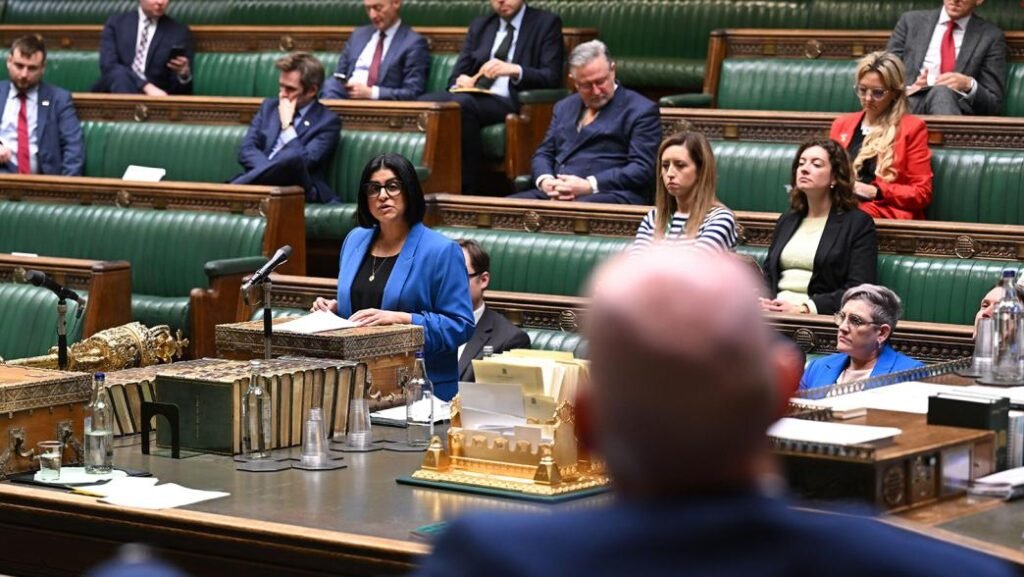
The draft legislation applies to England and Wales and is undergoing pre-legislative scrutiny by a joint parliamentary committee. It has not been enacted, meaning the proposed offences are not currently in force.
The debate highlights the challenge facing lawmakers: developing protections against coercive conversion practices while addressing concerns about religious freedom, family discussions and appropriate pastoral support.
The committee’s scrutiny will help determine whether changes are needed to the draft before the government decides on the next legislative steps.