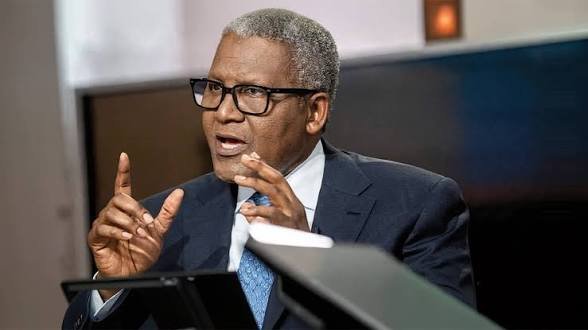
Banking leaders warn of emerging threats
Nigeria’s banking industry is facing growing cybersecurity risks as criminals increasingly exploit artificial intelligence to develop sophisticated fraud techniques, including deepfakes, synthetic identities, and automated social engineering attacks.
The warning was raised by Dele Alabi, President of the Chartered Institute of Bankers of Nigeria (CIBN), who said the same technologies improving financial services could also be used to target banks and their customers.
In a November 18 report, BusinessDay” quoted Alabi as warning that a single cyber breach within Nigeria’s interconnected financial system could spread across institutions and markets, creating risks beyond the organisation initially affected.

The scale of Nigeria’s digital payments market
The warning comes as electronic payments have become a major part of Nigeria’s financial system.
According to figures cited by Alabi, Nigeria processed approximately 47.88 billion electronic payment transactions valued at ₦3.46 quadrillion in 2025.
The scale of these transactions highlights the importance of maintaining confidence in digital banking channels, including mobile applications, internet banking, payment cards, and electronic transfers.
However, the expansion of digital financial services also creates more opportunities for criminals to exploit weaknesses in identity verification, customer authentication, and transaction monitoring.
Fraud losses decline, but risks remain
Industry efforts reportedly reduced electronic payment fraud losses by more than 50 per cent in 2025.
The losses fell to ₦25.85 billion from ₦52.26 billion recorded in 2024, according to figures presented by the banking industry.
Despite the improvement, Alabi cautioned that the reported figures could underestimate the actual scale of fraud because some incidents go unreported.
He also warned that artificial intelligence could make fraudulent activities more difficult to identify by enabling criminals to imitate legitimate customers, create convincing fake identities, and automate attempts to manipulate bank employees or customers.
What banks are being urged to do
Banking leaders are calling for stronger cybersecurity investment, improved monitoring systems, and closer cooperation between financial institutions.
Alabi urged bank boards to treat cybersecurity as a strategic management responsibility rather than an issue limited to information technology departments.
He also called on management teams to incorporate cyber risks into wider business decisions and ensure that employees follow security procedures.
The concerns reflect a wider challenge for financial institutions: expanding digital services while ensuring that technological innovation does not undermine customer protection and financial stability.