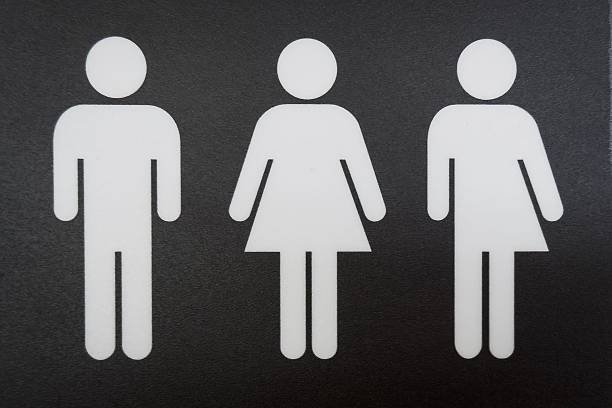
Civil servants in some UK government departments have been instructed to report concerns about colleagues using single-sex toilets or changing facilities to managers rather than confront the individuals themselves, according to a report published on Saturday, 17 October 2026.
The instructions are part of departmental efforts to update workplace arrangements following a landmark Supreme Court ruling on the meaning of sex in the Equality Act 2010. They also seek to reduce the risk of harassment or conflict between employees.
The Times reported that HM Revenue and Customs (HMRC), which has approximately 70,000 employees, is among the departments issuing guidance on how staff should use facilities and raise concerns.
What the departmental instructions say
Under the arrangements described by The Times, access to designated single-sex facilities is based on biological sex. Staff who believe the rules are not being followed are told to raise the matter discreetly through management channels instead of challenging colleagues in person.
The reported guidance also emphasises respectful treatment of colleagues, including expectations concerning how staff address one another. It is intended to separate decisions about facility access from the handling of workplace complaints.
The report does not establish that all civil service departments have issued identical instructions or that a new rule covering every UK workplace came into force on Saturday.

Supreme Court ruling provides legal background
The policy changes follow the Supreme Court’s unanimous judgment in For Women Scotland Ltd v The Scottish Ministers, delivered on 16 April 2025.
The court held that the terms “sex”, “man” and “woman” in the Equality Act 2010 refer to biological sex, as explained in its official judgment summary.
The judgment also made clear that transgender people continue to have protections under the Equality Act, including protections concerning gender reassignment and discrimination.
The ruling was about interpreting existing legislation, not creating a new law in October 2026.
Its implications for facilities and workplace arrangements must be considered alongside employers’ obligations to prevent unlawful discrimination and harassment.
These protections are set out in the Equality Act 2010.
The Supreme Court’s decision should not be presented as a complete workplace policy for every organisation.
Campaigners and unions disagree.
The Times reported differing responses to the departmental changes.
Campaign group Sex Matters welcomed the moves it considers consistent with the Supreme Court ruling but criticised the time taken to revise policies.
Union representatives, including members associated with PCS Proud, opposed the restrictions and indicated they would campaign against them.
The disagreement reflects competing concerns over privacy in single-sex spaces, the treatment of transgender employees and the practical responsibility of employers to resolve complaints without exposing workers to humiliation or confrontation.
What happens next?
Departments will need to explain their policies clearly, provide appropriate facilities and establish confidential procedures for complaints.
Managers will also need to understand how to respond consistently and lawfully when concerns arise.
The reported instructions do not amount to a fresh Supreme Court decision or a universal rule for private and public workplaces.
They show how some government employers are responding to the 2025 judgment while attempting to maintain respectful working conditions.
The effectiveness of the changes will depend on how departments apply their policies, protect staff from harassment, and resolve disputes without encouraging direct confrontations between colleagues.