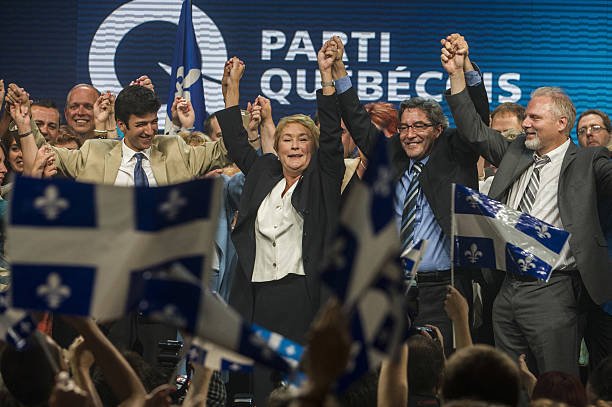
The Parti Québécois has won Quebec’s provincial election, returning to power for the first time since 2014. Preliminary results reported by Reuters put the party on 59 seats in the 127-seat National Assembly, short of the 64 needed for a majority.
Its leader, Paul St-Pierre Plamondon, is expected to become premier. A minority government would need support from opposition lawmakers to pass major measures and remain in office, according to the Associated Press.
The result ends eight years of government by the Coalition Avenir Québec and brings the question of Quebec’s independence back into provincial politics. St-Pierre Plamondon has promised a third referendum on leaving Canada, but says he would wait until US President Donald Trump is out of office. No referendum date has been set.
Winning the election does not mean voters endorsed independence. Al Jazeera’s report, credited to AP and Reuters, cites a McGill University political scientist who said Quebec’s divided party vote should not be mistaken for a surge in support for separation. Previous independence referendums, in 1980 and 1995, both failed.
Canadian Prime Minister Mark Carney has congratulated St-Pierre Plamondon and indicated that Ottawa is willing to work with the incoming Quebec government. The immediate question is how the Parti Québécois will secure support in the assembly; any future referendum would face a further political hurdle there.