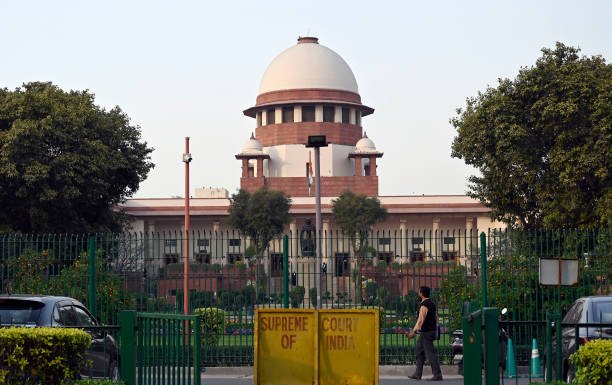
India’s Supreme Court has declined to suspend Chief Election Commissioner Gyanesh Kumar while it examines allegations that decisions about the country’s voter rolls were made without the agreement of the other election commissioners.
At a hearing on Monday, 5 October, the court issued notices seeking responses from the government and the Election Commission. It refused to remove Kumar on an interim basis before hearing those responses. The allegations remain before the court; they have not been established as fact.
The hearing came after three days of protests over the revision of electoral lists. Demonstrators in Delhi and Mumbai have called for Kumar to resign, saying eligible voters have been removed from the rolls and alleging that the changes favour Prime Minister Narendra Modi’s governing Bharatiya Janata Party. The Election Commission and the BJP deny that allegation.
What happened at the protests?
Thousands of young people and opposition supporters gathered in the two cities on Sunday. In Mumbai, opposition leaders Raj Thackeray and Uddhav Thackeray led a march calling for the voter-roll changes to be scrapped.
In Delhi, police detained some people trying to gather. A Reuters witness reported protesters breaching barricades and blocking vehicles carrying detainees. Police had restricted gatherings in the area.
What is the court examining?
The petition before the Supreme Court concerns a separate but related question: whether some Election Commission decisions were taken by Kumar without the required involvement of his two fellow commissioners. Petitioners have asked the court to scrutinise those decisions and sought his suspension while it does so.
The court has requested the parties’ accounts before deciding whether any law was breached. It did not order Kumar’s resignation, halt the voter-roll revision, or rule that the disputed decisions were invalid.
The Election Commission says revising the lists is necessary to remove duplicate entries and the names of people who have died or are ineligible. It has also directed officials to register eligible voters who were inadvertently left out. The next stage of the case will test the claims about the commission’s decision-making against its records, while the broader dispute over the voter rolls continues.