
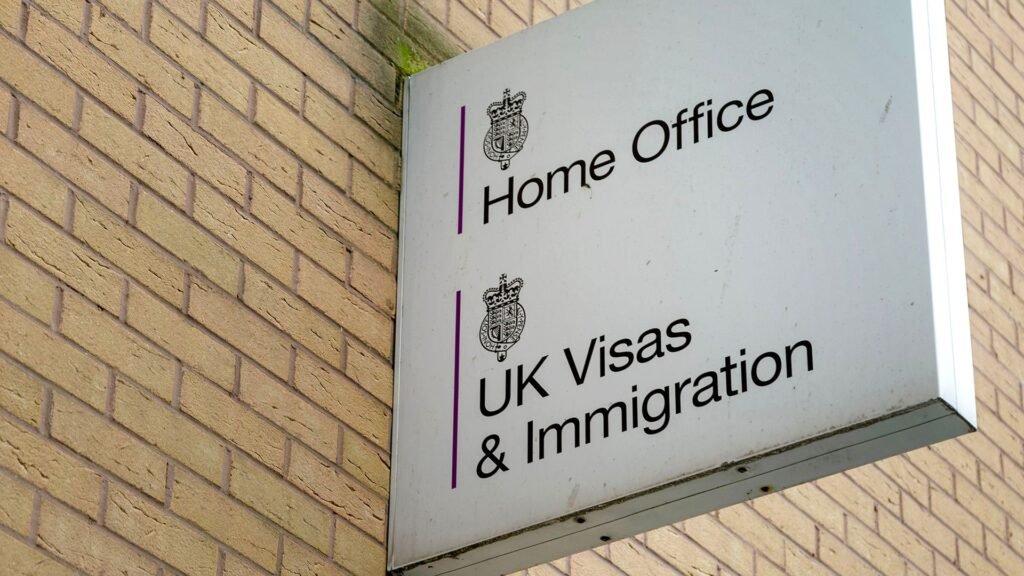
The UK government will introduce new protection for some Skilled Worker visa holders who have been formally recognised as victims of modern slavery.
From 8 October 2026, qualifying workers may have the employment restrictions attached to their visas amended. This would allow them to work for another employer, become self-employed or undertake voluntary work for the remainder of their existing immigration permission.
The change is intended to help victims leave exploitative workplaces without remaining dependent on the employer that sponsored their visas.
However, it is not a general right for every Skilled Worker to leave a sponsor and work anywhere in the UK. Strict conditions must be met before the restriction can be lifted.
Who will qualify
The new rule applies to a Skilled Worker who:
- Has been referred to the National Referral Mechanism
- Has received a positive Conclusive Grounds decision
- Received that decision during their most recent period of immigration permission
The National Referral Mechanism, known as the NRM, is the UK system for identifying and supporting potential victims of modern slavery and human trafficking.
A positive Conclusive Grounds decision means a Home Office Competent Authority has formally decided, based on the available evidence, that the person is a victim of modern slavery.
Simply reporting an employer, entering the NRM or receiving an initial Reasonable Grounds decision will not satisfy the wording of the new rule.
What the change permits
A qualifying worker may have the usual Skilled Worker employment conditions amended so that almost any lawful work is permitted.
This includes employment with another organisation, self-employment and voluntary work.
The only stated exception is work as a professional sportsperson, including employment as a sports coach.
The protection lasts only for the remaining duration of the person’s existing immigration permission. It does not create a new visa or extend the current one.
The wording of the rule says a qualifying worker “may have” the conditions amended. This means workers should not assume that permission changes automatically after receiving a positive decision. They should wait for confirmation from the Home Office and check their immigration status before starting work outside their existing conditions.
What the protection does not mean
The change does not apply automatically to every worker who describes an employer as abusive or exploitative.
Modern slavery is a serious legal category that can include forced labour, human trafficking, threats, controlled movement, confiscation of documents or exploitation that prevents a person from freely leaving employment.
Some workplace conduct may breach employment law without meeting the legal test for modern slavery. Examples may include unlawful deductions from wages, discrimination, unpaid holiday or breaches of a contract.
Those situations remain serious, but they do not necessarily qualify a worker for this particular immigration protection.
The rule also does not grant indefinite leave to remain, guarantee settlement or protect a person after the existing visa expires. To remain in the UK beyond that date, the worker would still need valid immigration permission under an available route.
Why the government introduced the change
Skilled Worker visas are normally tied to a particular sponsor and job. A worker moving to another employer will usually need a new Certificate of Sponsorship and approval to update the visa.
Campaigners have warned that this system can make migrant workers afraid to report exploitation. Some workers fear that leaving an employer could result in the loss of their job, income and immigration status.
The Home Office said the change would allow recognised modern slavery victims to work for any employer during the remaining period of their existing permission.
It said the measure would also encourage victims to report exploitation earlier and prevent employers from using sponsorship as a means of controlling vulnerable workers.
What affected workers should do
Workers who believe they are being exploited should obtain independent legal advice before resigning or beginning work for another employer.
They should not rely on general social media posts claiming that all Skilled Workers can now leave their sponsors without immigration consequences.
Anyone facing immediate danger should contact the police. Potential victims can also seek help from organisations that provide specialist support for modern slavery and employment exploitation.
Trivane View
This is an important protection, but its reach is limited.
It helps Skilled Workers who have completed the formal modern slavery identification process and received a positive Conclusive Grounds decision. It does not remove sponsorship requirements for Skilled Workers generally.
Clear reporting is essential because presenting the change as permission for every sponsored worker to leave an employer could place people’s immigration status at risk.