Communities in Niger State’s Borgu area are confronting the aftermath of deadly attacks and suspected reprisals, with new accounts on Tuesday, 24 November, describing conflicting casualty figures and fresh demands for an independent investigation. The violence took place over the weekend, not on Tuesday, but new witness statements and organisational claims have added to the public account.
The Associated Press reported that the Miyetti Allah Cattle Breeders Association of Nigeria (MACBAN) said 64 people from Fulani communities were killed during attacks in the Borgu area. That figure is the association’s reported toll and has not been independently verified as a final official casualty count. The report also recorded details of a separate attack on Lumma Ba’are earlier in the weekend.
Separate Attacks and Different Casualty Claims
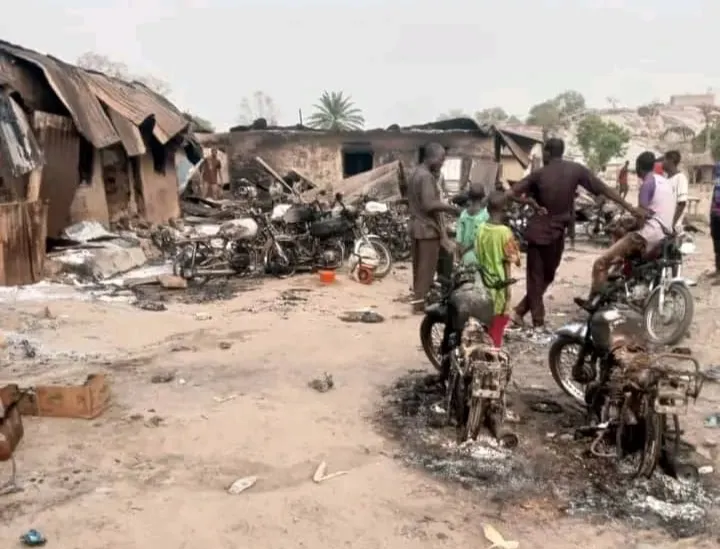
Niger State information commissioner Obed Nuhu Nana said five people, including the village head, died in an attack on Lumma Ba’are early on Saturday. Five others were injured and some homes were burned, according to the state account. A subsequent wave of violence was described by residents as retaliation against nearby Fulani communities, but the sequence and identities of those involved still require investigation.
The deaths reported by MACBAN concern Fulani communities; the five fatalities cited by state officials relate to the earlier attack. Those figures should not be added together and described as a confirmed official total without an assessment of overlap, location and verification. Early reports after mass violence can differ because access to affected communities is restricted and bodies may not all be documented at the same time.
A local resident who spoke to the news agency said hundreds of people took part in the retaliatory attacks. That is a witness account rather than a finding by security investigators. The police had not publicly confirmed the reported arrest of a suspected attacker at the time of the agency’s report.
Calls for Independent Accountability
MACBAN’s Yusuf Abubakar condemned the reported killing of men, women, children and elderly people and called for a thorough investigation. Amnesty International Nigeria also said it had reviewed disturbing footage of the violence and believed that the killings were linked to an earlier attack. The material reinforces the urgency of protecting civilians, although videos and witness statements still need careful authentication as part of an investigation.
Authorities face several immediate responsibilities: securing affected settlements, facilitating access to medical treatment, supporting displaced residents and preserving evidence. Investigators must also determine whether attackers acted as organised groups, local vigilantes or individuals, rather than attributing criminal responsibility to an entire ethnic or occupational community.
Justice for victims depends on establishing who was killed, where incidents occurred and which perpetrators can be identified through credible evidence. Collective accusations risk worsening mistrust in communities already affected by recurring disputes over farms, grazing and access to water.

Why the Conflict Is Difficult to Contain
Communal violence in north-central Nigeria frequently intersects with disputes over land use, livestock routes, property destruction and weakened local security arrangements. Retaliatory cycles can escalate quickly when residents believe the state cannot respond promptly or investigate earlier attacks. However, no single explanation should be applied automatically to every incident in Borgu.
Farmers and herders often depend on the same limited resources, while population pressures and environmental changes can make local disagreements harder to resolve. These pressures help explain a vulnerability to conflict; they do not excuse attacks or establish the motive of a particular suspect.
Public officials should avoid premature conclusions while making verifiable information available. Timely updates about casualty identification, survivors’ needs and investigations can help counter rumours. Clear communication is particularly important when different groups circulate incompatible death tolls.
What Comes Next
The immediate questions are whether security forces can prevent further reprisals, whether survivors can safely return and whether a transparent investigation will identify those responsible. Independent monitoring and communication with community leaders could help ensure that allegations are documented without deterring witnesses.
The Niger State Government has an important role in coordinating relief and communicating confirmed findings, while law-enforcement agencies must establish the sequence of attacks and pursue evidence capable of supporting prosecution. Neither an advocacy group’s figures nor a witness’s description should be presented as a completed judicial finding.
For communities in Borgu, the longer-term challenge is rebuilding confidence that disputes can be resolved without resort to violence. The events reported this week illustrate the need for early intervention, credible accountability and support for families from all affected communities.
Trivane View
Every civilian death warrants investigation regardless of community identity. Authorities should publish confirmed findings, protect witnesses and prevent further reprisals without treating allegations as proof against an entire group.
Related Trivane News
CDD Records 476 Election Security Threats Ahead of 2027 Polls
Senate Demands Justice and Compensation Over Deaths of 37 Artisans in Custody