A Nigerian election-monitoring organisation has documented 476 security threats over three months, warning that violence and intimidation could restrict campaigning and voter participation ahead of the 2027 general elections. The Centre for Democracy and Development, West Africa (CDD-West Africa), disclosed the findings at a stakeholders’ dialogue in Makurdi, Benue State, on Friday, 20 November.
The figures cover August to October 2026, not the entire campaign period. The News Agency of Nigeria reported that CDD monitoring and evaluation analyst David Alechenu cited 81 threats in August, 222 in September and 173 in October. A network of nearly 500 observers helped the organisation monitor and verify reports across the country.
Why the Numbers Matter
The sharp rise between August and September suggests risks can intensify well before polling day. Although October’s total was lower than September’s, it remained more than twice the August figure. The reported incidents are monitoring alerts; they should not automatically be described as 476 completed attacks, criminal convictions or election-related deaths.
Alechenu warned that insecurity could keep parties from holding campaigns in some communities and deter citizens from supporting candidates openly. Physical danger can also limit the work of election officials, journalists, civil-society observers and volunteers. Even areas where polling is eventually conducted may experience unequal political competition if some parties cannot organise safely.
Benue Figures Heighten Concern
CDD separately reported 14 election-related deaths in Benue in September and 16 in October. Those figures require careful treatment because the organisation’s definition and verification methods should be examined before equating the deaths with proven political assassinations. Nevertheless, the numbers underline why security discussions cannot be restricted to ballot-box protection on election day.
The dialogue was organised through the Strengthening Peace and Resilience in Nigeria project, supported by the UK’s Foreign, Commonwealth and Development Office. CDD director Dauda Garuba said credible elections depend on cooperation among electoral bodies, security agencies, political actors, and communities, rather than on INEC alone.

Threats Extend Beyond Campaign Attacks
Garuba identified communal conflict, farmer-herder tensions, kidnapping, armed violence, political intimidation, misinformation, and hate speech as potential obstacles to a credible vote. These problems interact: a community already facing displacement or fear may find it difficult to host rallies, register complaints, or reach polling centres. Security planning therefore needs to account for local realities instead of applying identical arrangements everywhere.
The organisation urged stronger early-warning systems, coordination, and preventive measures. It also called for human-rights protections and accountability so responses to threats do not themselves become instruments of intimidation. Community reporting can identify warning signs, but those alerts need independent assessment and a clear route for action.
Security Agencies Outline Preparations
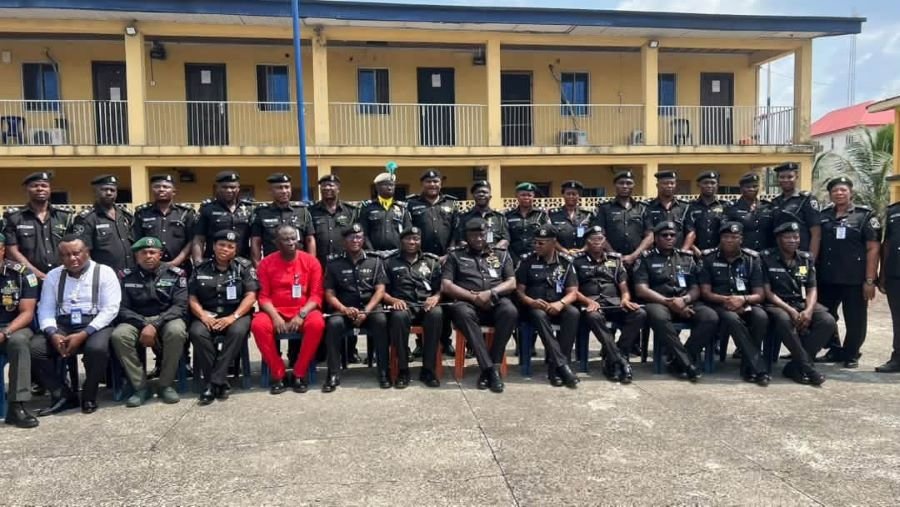
At the meeting, State Security Service representative Benjamin Odaji described engagement with political stakeholders to encourage peaceful activities and compliance with electoral rules. Police representative Ibrahim Imam said preparations were under way and expressed confidence in the prospects for peaceful elections. Neither assurance, however, resolves the need for publicly understandable incident reporting and consistent investigations.
The warning follows an earlier Trivane News report on the Senate’s call for enforcement against election violence. That parliamentary position and CDD’s monitoring figures address different parts of the same problem: consequences for offenders and prevention before incidents escalate. Neither source by itself establishes the guilt of any particular politician.
What Happens Next
The immediate test is whether political parties, police commands, community leaders, and election administrators translate the findings into local prevention plans. Publishing clear procedures for reporting threats, supporting affected communities, and following up investigations would make public assurances more measurable.
With the 2027 contest approaching, election security must protect both the right to vote and the right to campaign without fear. A credible process depends not only on peaceful polling stations but on citizens having a genuine opportunity to participate throughout the months before voting begins.
The organisation’s breakdown also offers a practical way to track whether preventive action is working. Monitoring teams can compare new alerts with the August–October baseline, while authorities explain which cases are being investigated and what protection is available to threatened communities. Progress cannot be measured only by the number of officers assigned to polling locations. It should also be evident in whether campaign teams can travel, residents can gather without intimidation, and witnesses can report incidents safely. Where allegations remain unresolved, public communications should state that fact plainly rather than identifying suspects as convicted offenders. Independent scrutiny matters especially in closely contested constituencies where contradictory claims can circulate rapidly.
Trivane View
Political leaders and security institutions should treat threat reports as triggers for credible investigation and prevention, not as proof against unnamed opponents. Transparent follow-up can protect both voters and lawful campaigning.
Related Trivane News
Senate Urges INEC to Disqualify Candidates Linked to Electoral Violence