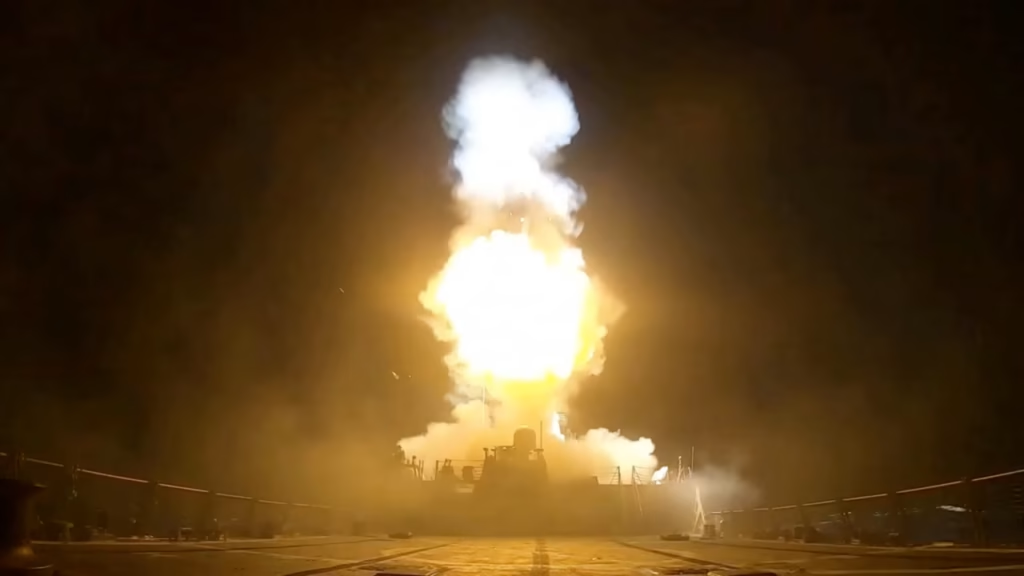
The United States carried out limited strikes on Iranian targets near the Strait of Hormuz, a US official said on Tuesday, 3 November 2026, complicating a diplomatic effort to contain a war that has disrupted shipping and heightened concern over energy supplies. Iranian reports described explosions around Qeshm and Hengam islands and near Bandar Abbas. No broad new military campaign has been formally announced.
According to Associated Press, the targets included Iranian forces accused by Washington of using surface-to-air missiles against American assets. Officials characterized the operation as defensive. That is the US account of its purpose; it does not establish that either side has agreed to reduce military operations. Iranian authorities have demanded relief from the US port blockade and oil sanctions, while US officials have linked an agreement to shipping security and other strategic questions.
What Happened Near Qeshm Island?
The Guardian reported that the strikes were limited and involved missile-related targets near Qeshm, an island close to the entrance of the strait. The location is strategically important because vessels carrying petroleum and other goods pass through the narrow waterway between the Gulf and the wider ocean. Explosions reported by Iranian media did not immediately settle the full scale of the damage, the number of casualties or whether further operations had been authorized.
The distinction between an isolated strike and a renewed major offensive matter. Limited operations can still trigger retaliation, especially where opposing aircraft, coastal missiles and commercial tankers operate in close proximity. Washington has maintained that its forces face continuing threats in the area. Iran has said its forces remain on alert and argues that restrictions on its maritime trade must end before a lasting settlement can be reached.

Why Are Peace Talks Still Under Way?
In its live coverage, Al Jazeera reported that Vice-President JD Vance saw progress in indirect discussions even as Tehran insisted that Washington must move first on the blockade and sanctions. Qatar and other intermediaries have been involved in attempts to develop a workable sequence of steps. Optimistic descriptions from negotiators should not be mistaken for a signed agreement, and neither government has announced the restoration of normal shipping conditions.
A possible bargain would have to address more than a single night of explosions. It would need terms that both governments can verify, a clear approach to maritime attacks and a process for easing economic restrictions. The two sides have previously disagreed over the order of concessions. The latest strikes may strengthen arguments for tighter security while simultaneously making it harder for diplomats to secure the trust needed to implement any compromise.
What Is at Stake for Oil and Shipping?
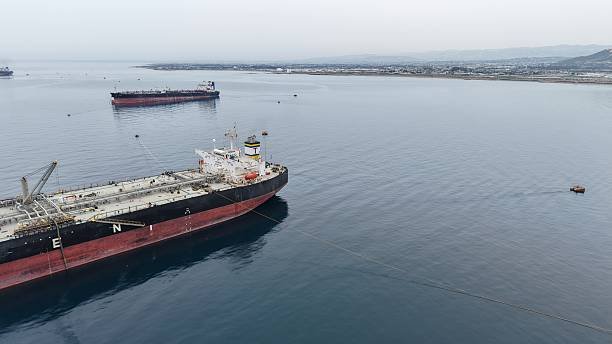
The Strait of Hormuz is central to global energy transport, making threats near its shipping lanes relevant far beyond Iran and the United States. When vessel operators face uncertainty, they may change routes, delay sailings or pay more for insurance and security. Such costs can eventually filter into transport and import prices. However, no new specific freight or oil-price increase can responsibly be attributed to this operation without corresponding market evidence.
Maritime warnings must distinguish confirmed threats from unverified reports, and shipowners need reliable guidance on transit restrictions.
The confrontation is unfolding against a difficult political backdrop in Washington and Tehran. For US voters, fuel costs and another possible escalation have become immediate public concerns; for Iran, the blockade and sanctions are major economic and sovereignty issues. The observable developments are the strikes, official statements, continuing indirect contact and the absence so far of a confirmed comprehensive settlement.
What Happens Next?
Further developments to monitor include any Iranian military response, independent evidence of damage and casualties, maritime security advisories, and whether mediators announce a concrete timetable for concessions. A temporary easing of tensions would need to be measured through verified changes in shipping restrictions and attacks, not speeches alone. The story may develop rapidly, so casualty figures, diplomatic positions and the scope of operations should be checked again before publication.
Trivane View
A limited military operation cannot be treated as evidence that negotiations have failed, but neither should talk of progress obscure the danger to civilians and shipping. The public interest lies in clear information about the strike’s legal basis, its human consequences and whether all sides are taking verifiable steps to prevent a broader confrontation.
Related Trivane News
Iran Claims Four Tankers Hit Mines in Strait of Hormuz as Shipping Risks Mount
Qatar Returns to Tehran as Iran Rejects Peace Plan