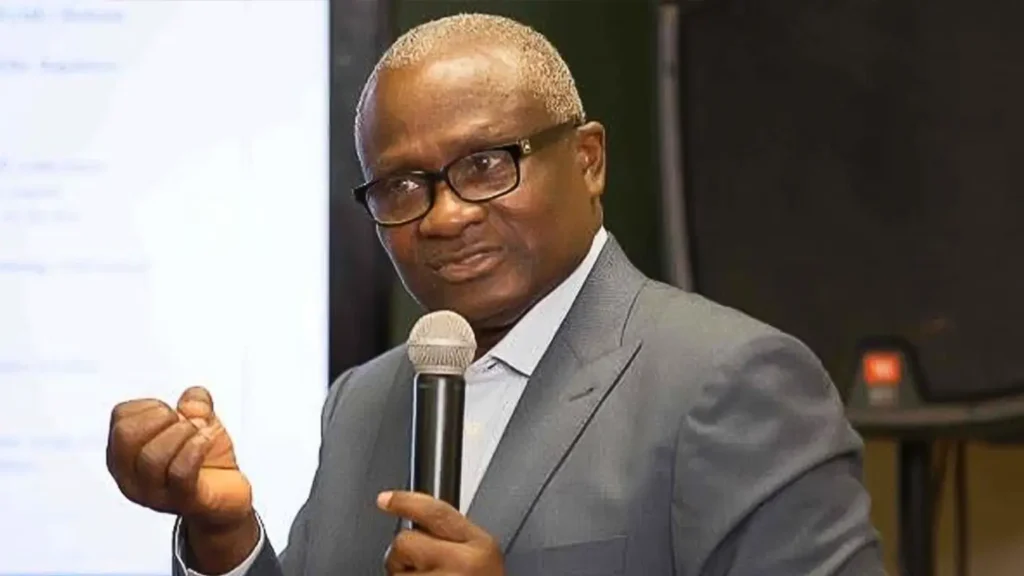
The Nigeria Centre for Disease Control and Prevention (NCDC) has clarified that the ₦10 billion emergency intervention approved by President Bola Tinubu is intended to strengthen the country’s preparedness against multiple epidemic-prone diseases, rather than being restricted to the ongoing Ebola response.
The Director-General of the agency, Dr Jide Idris, gave the clarification amid public debate over the purpose and allocation of the funding.
Funding covers several disease threats
Idris said the intervention is designed to support prevention, preparedness, early detection and rapid response to public-health threats.
The diseases covered include Lassa fever, cholera, cerebrospinal meningitis, diphtheria, measles and mpox, alongside antimicrobial resistance.
He also clarified that the money was released directly to the NCDC and not to the Presidential Task Force on Ebola, as some reports had suggested.
However, he did not specify when the ₦10 billion was eventually released. This followed his October 25 statement that the agency had not yet received the funding.
The clarification was reported by “Punch” and “The Guardian Nigeria”

Nigeria’s health-security funding gap
The NCDC director-general said implementing Nigeria’s National Action Plan for Health Security, which covers 2025 to 2029, would require approximately ₦522 billion over five years.
This amounts to an estimated ₦104.4 billion annually, making the ₦10 billion emergency intervention equivalent to about two per cent of the plan’s average yearly funding requirement.
Idris said the country’s growing population and exposure to epidemic threats require sustained investment from federal and state governments, as well as development partners.
He also outlined previous government allocations to the agency, including ₦4 billion in 2024, ₦7 billion in 2025 and ₦22 billion in the 2026 Appropriation, alongside a separate ₦5 billion intervention fund in 2025.
Ebola response remains part of the wider preparedness effort
Nigeria confirmed an imported case of Bundibugyo Ebola virus disease on October 20, 2026, after laboratory testing in Abuja.
Idris said there was no active Ebola case in the country at the time of his statement, while identified contacts remained under surveillance.
He also dismissed calls for travel restrictions, a blanket ban on mass gatherings or postponement of elections, saying the situation did not warrant such measures.
The NCDC’s position is that the emergency funding supports the country’s broader health-security system, rather than a single outbreak response.