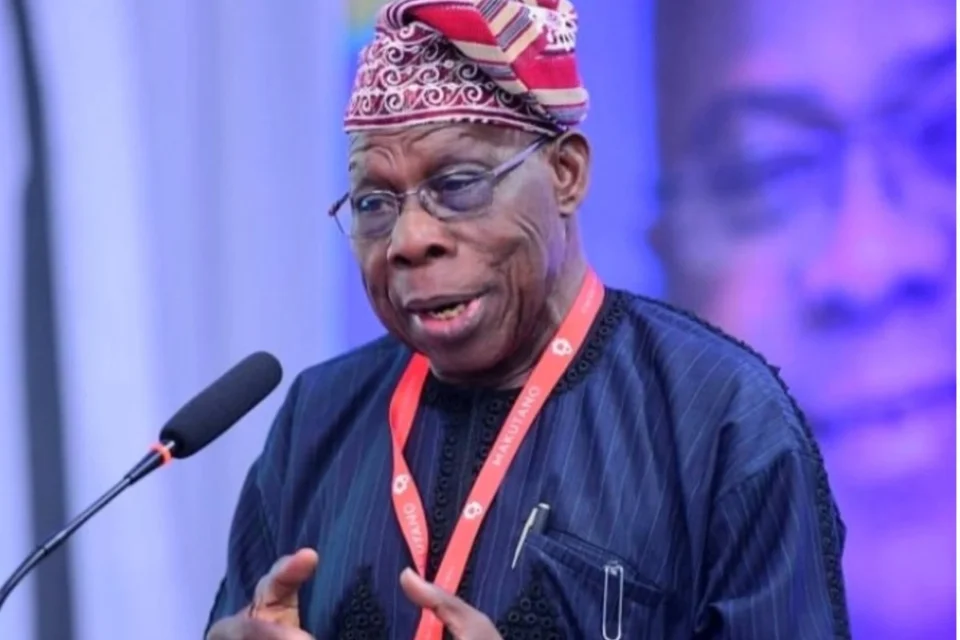
Former President Olusegun Obasanjo has launched a scathing critique of President Bola Tinubu’s economic reforms, arguing that the rapid devaluation of the national currency has devastatingly eroded the purchasing power of the average citizen. According to Punch Newspapers, Obasanjo made these remarks on Wednesday at the Financial Times Africa Summit 2026 in London. He accused the current administration of effectively turning Nigeria into the “poverty capital of the world” due to a lack of mitigating buffers.
According to the statesman, the macroeconomic policies implemented since 2023 caused the naira to lose its value virtually overnight. “The naira went from N500 to a dollar to N1,500 to a dollar. What that meant was that every Nigerian is made poor by 300 per cent,” Obasanjo argued, stressing that such severe economic shocks are not in the best interests of the nation and have exacerbated the daily survival struggles of the working class.

Why Are the Reforms Under Such Intense Scrutiny?
The current administration has consistently defended its decision to float the naira and remove fuel subsidies as painful but necessary structural adjustments required to save the country from total economic collapse. However, Obasanjo rejected the narrative that the government simply needs more time for the reforms to bear fruit. He bluntly noted that he does not see the economy improving under the current trajectory, questioning the logic of policies that consistently result in mass impoverishment without a clear exit strategy.
Naija News highlighted in its morning headline review today that Obasanjo’s comments tap into a growing frustration among the populace. The soaring cost of essential goods, food inflation, and stagnant wages have created a highly volatile socioeconomic environment, prompting widespread calls for a review of the administration’s fiscal approach.
How Have Political Stakeholders Reacted?
The ruling All Progressives Congress (APC) has historically pushed back against criticisms from former leaders, urging the public to focus on the long-term gains of deregulation and foreign investment attraction. While the Presidency has yet to issue a direct, point-by-point rebuttal to Obasanjo’s latest London address, party loyalists argue that the structural rot inherited by the Tinubu administration required aggressive surgical interventions.
Meanwhile, opposition figures have amplified Obasanjo’s sentiments, using the staggering poverty statistics to build a case against the incumbent government ahead of the 2027 general elections. The political discourse is increasingly shifting from patience to demands for immediate palliatives and transparent governance.
What Happens Next?
The ongoing debate over the economic direction of the country is expected to dominate the upcoming legislative sessions as the National Assembly reviews supplementary budget requests. Financial analysts and foreign investors will be closely monitoring the Central Bank of Nigeria (CBN) for any forthcoming monetary policy shifts aimed at stabilizing the naira and cooling inflation in the final quarter of the year.
Related Story
Read Trivane’s earlier coverage: Cost-of-living protests across Europe highlight pressure on household budgets