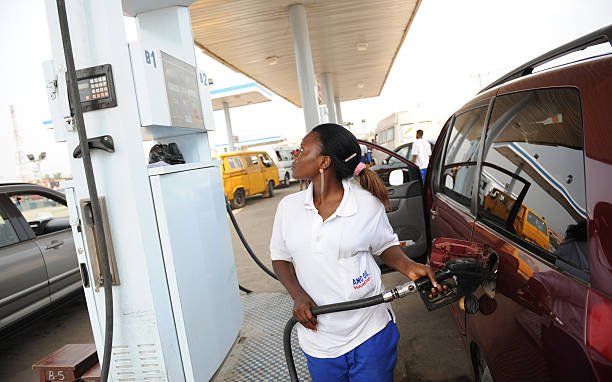
Nigeria’s federal government is negotiating a ₦1,350-per-litre ceiling on the ex-gantry or landing cost of petrol as part of efforts to limit sharp changes in pump prices.
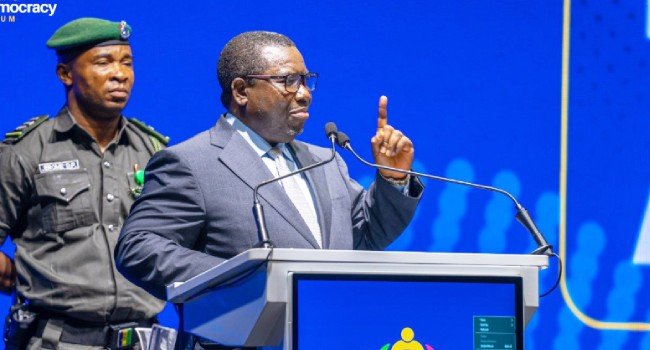
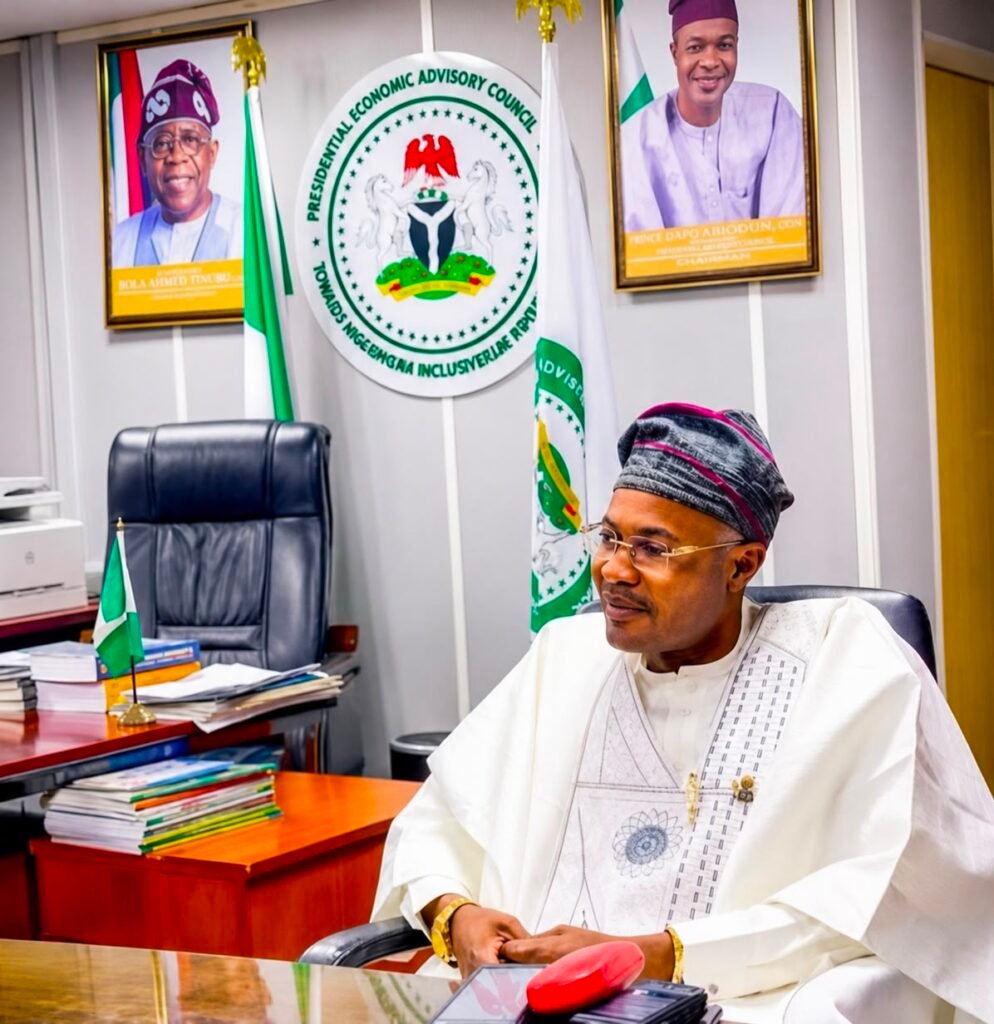
Finance Minister and Coordinating Minister of the Economy Taiwo Oyedele announced the proposal at a briefing in Abuja on Thursday, 8 October 2026.
A presidency statement, signed by presidential adviser Bayo Onanuga and dated 8 October, confirms that negotiations are continuing. The proposed ceiling would be reviewed monthly and adjusted as costs change. statehouse.gov.ng
What the ₦1,350 figure means
The figure concerns petrol costs before retail sale. Ex-gantry refers to the supply stage at a refinery or depot, while landing cost relates to imported petrol.
It is therefore not an announcement that every filling station must sell petrol for ₦1,350 per litre. Retail prices also reflect distribution costs and retailers’ margins.
As Channels Television reported, the government’s stated aim is to prevent each movement in global crude prices or the exchange rate from immediately producing a corresponding change in petrol prices. channelstv.com
How the proposed arrangement would work
Oyedele said refiners and importers would temporarily absorb the difference when costs rise above the negotiated ceiling. They would recover that shortfall later, when crude prices or exchange-rate conditions allow.
The monthly review would reset the ceiling where necessary, with the figures published for transparency.
The minister described the mechanism as an attempt to smooth price movements over time and said it was neither a subsidy nor price control. That is the government’s description of the proposal. thecable.ng
The announcement does not identify a completed agreement with participating suppliers or explain in detail how accumulated shortfalls would be recorded and recovered. statehouse.gov.ng
Separate petrol discount at NNPC stations
Oyedele also announced a temporary margin discount on petrol sold through Nigerian National Petroleum Company Limited stations, prioritising public transport operators. Channels reported that the arrangement would initially run for 30 days. channelstv.com
The presidency said NNPC Retail had agreed to forgo its petrol retail profit margin and sell at cost. Its statement does not specify a uniform discount per litre or a confirmed start date for individual stations. statehouse.gov.ng
What it means for households and businesses
The intended benefit is greater predictability in transport and operating costs. Oyedele acknowledged that existing measures had not fully eased the pressure on households and businesses.
The government also plans faster deployment of compressed natural gas, with transporters encouraged to pass savings on to passengers. Those expected benefits remain dependent on implementation. von.gov.ng
Trivane View
The test will be whether suppliers accept workable terms and whether the measures deliver savings to consumers. Publishing the agreements and loss-recovery rules would make the policy easier to scrutinise. A proposed ceiling alone does not establish that petrol prices or transport fares have fallen.