The World Health Organization and its partners have launched a global roadmap to improve care for women affected by high blood pressure during pregnancy, including pre-eclampsia.
In its announcement on Thursday, 8 October, WHO said these conditions remain among the leading causes of death and serious illness for pregnant women and their babies.
The organisation estimates that hypertensive disorders affect between 10% and 15% of pregnancies worldwide and account for approximately 42,000 maternal deaths each year.
What the roadmap aims to change
The roadmap for 2026 to 2035 and beyond brings together priorities for research, clinical standards, access to medicines and tests, implementation and accountability.
It seeks to improve access to effective care, particularly in low- and middle-income countries, where gaps in services disproportionately affect women and newborns.
WHO says progress in reducing deaths from these disorders has been too slow. The plan is intended to align policy, research, and investment around preventing avoidable deaths and complications.
The organisation identifies shortages of trained staff, weak referral systems, and limited emergency maternity services as barriers to timely treatment. Some women also lack reliable access to blood-pressure checks, urine tests, and essential medicines.
Understanding pre-eclampsia
According to the Royal College of Obstetricians and Gynaecologists, pre-eclampsia usually develops after 20 weeks of pregnancy, although it can also appear after childbirth.
It commonly involves high blood pressure and protein in the urine. In some cases, it affects the liver, kidneys, or blood clotting without protein being detected.
Many cases are mild, but severe illness can threaten the health of both the mother and baby. Seizures caused by pre-eclampsia are known as eclampsia.
Why it matters to Africa
The roadmap is particularly relevant to efforts to improve maternal care across sub-Saharan Africa.
UNICEF’s maternal mortality data shows that the region accounted for approximately 70% of maternal deaths worldwide in 2023. That figure covers all maternal causes, rather than high blood pressure alone.
UNICEF identifies access to skilled health workers, appropriate equipment, and prompt obstetric care as essential to preventing deaths. These needs closely match the roadmap’s focus on stronger maternity services.
Regular checks remain important.
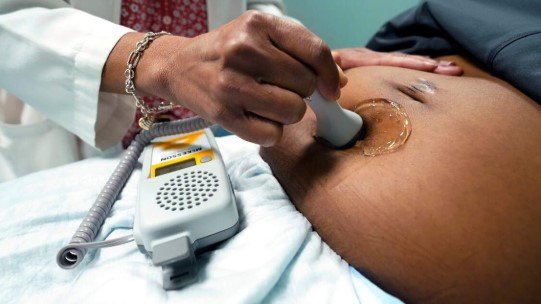
The NHS says early signs, including raised blood pressure and protein in urine, may go unnoticed without routine antenatal checks.
Warning symptoms can include a persistent severe headache, blurred vision, pain below the ribs, and sudden swelling of the face, hands, or feet. Symptoms during pregnancy or in the weeks after birth require urgent medical assessment.
Preventive medicines should be taken only on the advice of a qualified healthcare professional.
WHO is calling on governments, funders, researchers, and health professionals to coordinate investment so that existing treatments and future innovations reach women who need them.