The UK government has warned Eritrea that it could stop issuing visas to its nationals unless the country resumes accepting the return of people who have no legal right to remain in Britain.
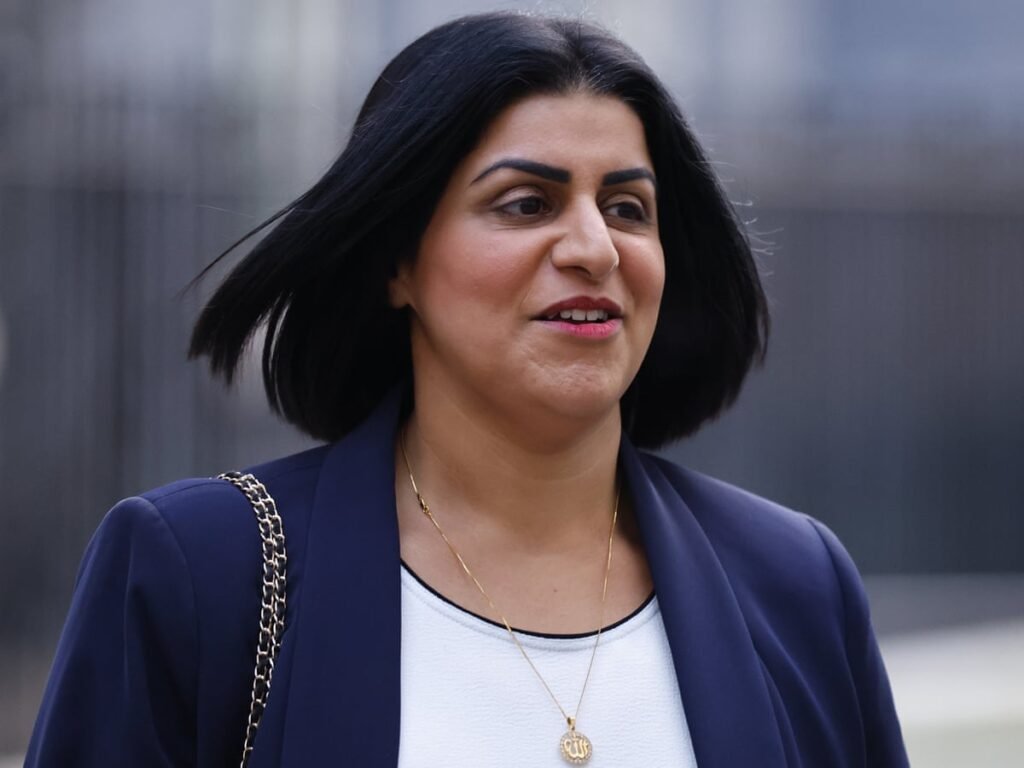
In an announcement on Thursday, 15 October 2026, the Home Office said Eritrea had withdrawn cooperation on returns earlier this year despite months of diplomatic discussions. Home Secretary Shabana Mahmood warned that further visa penalties could follow if cooperation does not improve.
The government has not announced a start date for a general ban. As of 15 October, the threatened measure had not taken effect.
Restrictions Already Introduced
The Home Office has ended preferential visa processing for Eritrean VIPs and government officials. Eritrean diplomats must also seek Foreign Office permission before travelling more than 60 kilometres (37 miles) beyond London.
The government says the diplomatic travel rule reflects restrictions placed on British officials in Eritrea. Neither measure amounts to a blanket visa ban on Eritrean nationals.
Why the UK Wants More Returns
According to The Guardian, just over 100 Eritreans whose asylum claims had been refused were removed over a four-year period, compared with 2,626 people whose claims were rejected. These figures do not represent a removal rate for all Eritrean asylum applicants.
Eritreans were the largest nationality group arriving by small boat in the year ending June 2026, the Home Office said. However, arriving in Britain, applying for asylum, having a claim refused, and being eligible for removal are different legal situations.

Refugee Protection Remains Important
Many Eritreans seek asylum because of reported persecution and indefinite national service. The Home Office’s country guidance describes restrictions on leaving Eritrea and the risks linked to national service.
The Home Office country guidance provides background on those risks. Refugee organisations have warned that visa pressure should not undermine protection for people fleeing persecution.
The visa warning does not, itself, change how an individual asylum claim must be assessed under UK law.
What Happens Next
The Home Office says earlier pressure led Angola and Namibia to improve returns arrangements. Restrictions on the Democratic Republic of Congo were later lifted after renewed cooperation.
Whether Eritrea will reach a similar agreement remains uncertain. For now, the government has imposed targeted restrictions and threatened further action, but has not introduced a general visa ban.