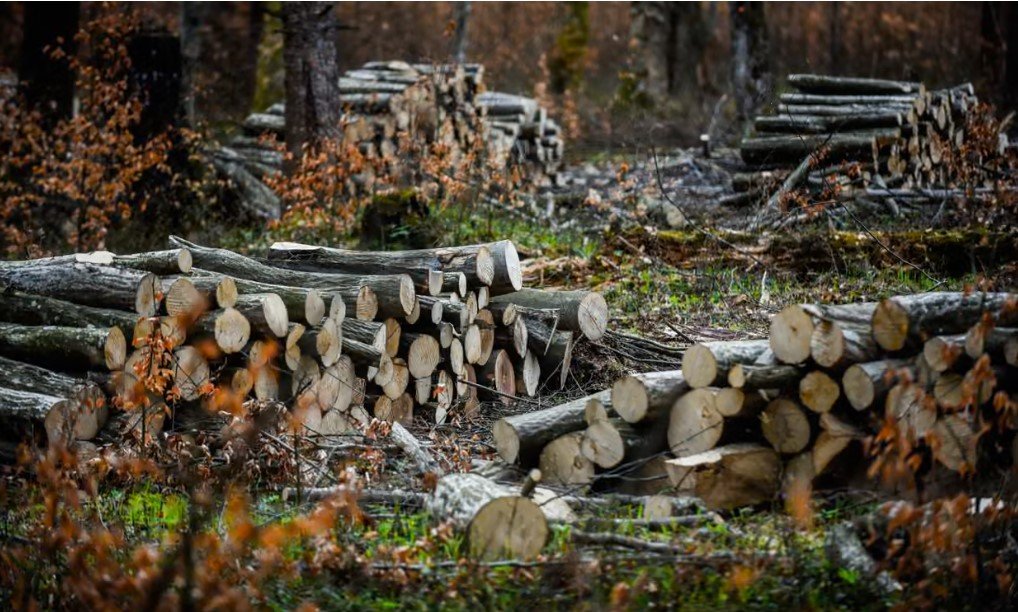
The UK government has launched a consultation on proposed regulations that would require certain businesses to carry out checks on commodities associated with illegal deforestation in their overseas supply chains.
Announced on November 11 by the Department for Environment, Food and Rural Affairs (Defra), the proposals are intended to prevent products sold in Great Britain from contributing to the illegal clearing of forests in other countries.
The commodities covered include soy, palm oil, cattle, cocoa, timber, coffee and rubber, as well as certain products derived from them.
According to the government’s announcement” the proposed framework would require businesses to assess where these products originate and establish whether their production complies with relevant local laws.

What businesses could be required to do
Under the proposed approach, businesses within scope would need to establish due-diligence systems to identify, assess and address the risk of illegal deforestation in their supply chains.
The government’s updated policy document indicates that the requirements are intended to apply to businesses in Great Britain with annual turnover exceeding £1 million that use specified forest-risk commodities and wood products.
Companies could be required to collect information about the geographical origins of products, maintain evidence of compliance and report on their due-diligence activities.
The measures would cover England, Scotland and Wales. Northern Ireland is subject to a separate arrangement under the European Union’s Deforestation-Free Products Regulation, which is due to begin applying there in phases from December 30, 2026.
“Defra’s consultation document” sets out the proposed scope, the possible obligations for businesses and the evidence the government wants before deciding how to proceed.
Why the government is considering the measures
The proposal comes amid concerns about the environmental impact of products consumed in the UK but sourced from overseas.
The government estimates that UK consumption of goods associated with deforestation was linked to approximately 29,000 hectares of forest loss worldwide in 2023, alongside an estimated 9.4 million tonnes of carbon emissions.
Forests play an important role in regulating the climate, protecting biodiversity, and supporting the livelihoods of communities. Illegal clearing can also contribute to land degradation and threaten the long-term sustainability of agricultural supply chains.
The government says the proposed regulations would build on its existing timber controls and support its international commitment to halt and reverse forest loss and land degradation by 2030.
Consultation before any final regulations
The proposals are not yet an enacted legal requirement. Defra is seeking views from businesses, environmental organisations, and other interested parties before deciding on the final regulatory approach.
The consultation opened on November 11 and is scheduled to close at 11:59pm on January 17, 2027.
The government will consider responses and evidence on potential costs, risks, and impacts before determining the next steps.
For international suppliers, particularly those exporting agricultural and forest-risk commodities to Britain, the eventual rules could make supply-chain transparency and proof of legal sourcing increasingly important.