Small Island Developing States are developing a proposal to channel part of the money sent home by their overseas communities into a permanent fund for climate resilience, in an effort to reduce their dependence on international aid and borrowing.
The proposed initiative would introduce a 3% charge on eligible remittance transactions, with between 2 and 2.5 percentage points of each transfer directed towards an investment fund.
The initiative is being discussed by representatives of Small Island Developing States (SIDS) during the COP31 climate negotiations in Antalya, Türkiye.
According to a Reuters’ report published on November 13″ the proposed platform aims to generate funding for projects that protect vulnerable island communities from rising sea levels, coastal erosion and other climate-related threats.

How the proposed fund would work
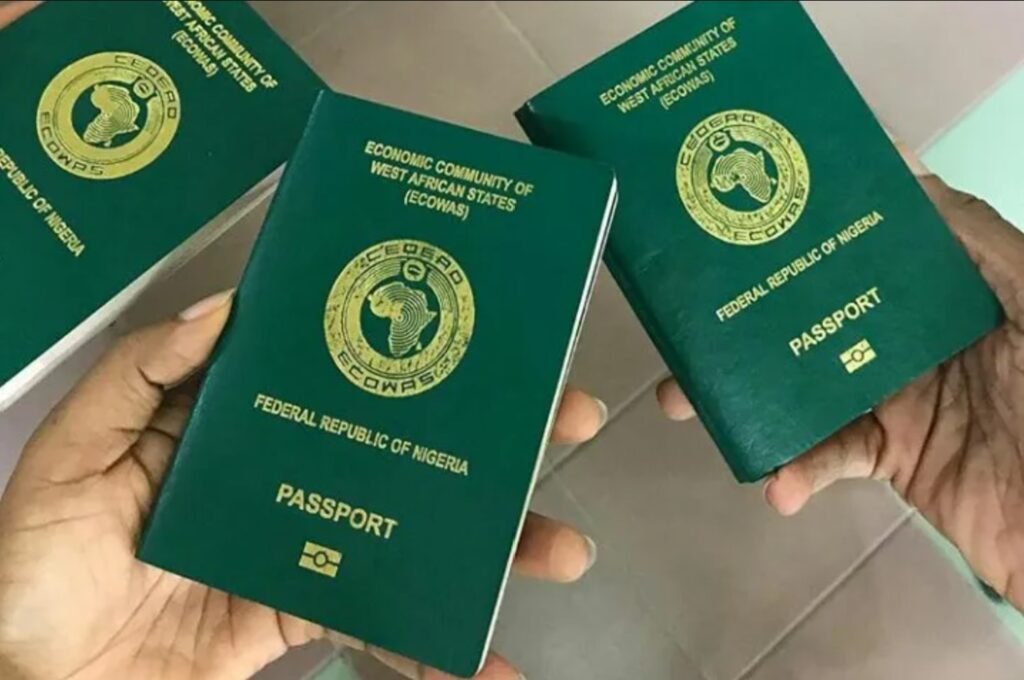
The initiative is designed to create a permanent endowment using a portion of diaspora remittances rather than relying entirely on traditional development assistance.
The first phase is expected to cover transfers to the Dominican Republic, Haiti, Jamaica, and Guyana. Fiji, Samoa, and Tonga would be included in the second year, followed by Comoros, Cabo Verde, and Mauritius in the third year.
Figures provided by the SIDS group indicate that remittances to the island nations totalled approximately $22 billion in 2023, having grown at an average annual rate of 7% between 2010 and 2023.
The group hopes the platform could eventually capture approximately one-third of those remittance flows by its tenth year.
Under the proposal, 85% of the investment returns would support climate-resilience projects, while the remaining 15% would be reserved for disaster response.
The fund’s base-case projection estimates that its endowment could reach $2.59 billion after 10 years. Additional matching grants and other revenue sources could increase its total assets to $5.53 billion.
Reducing dependence on international climate assistance
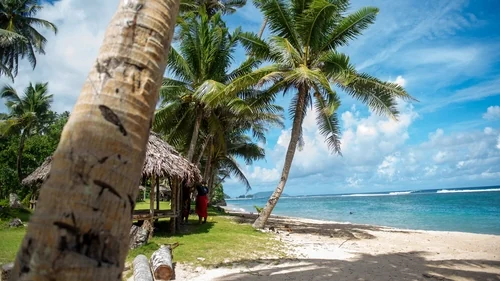
Small island nations are among the countries most vulnerable to climate change, particularly rising sea levels and coastal erosion. Many also face substantial public debt, limiting their ability to finance protective infrastructure.
Antigua and Barbuda’s ambassador to the United Nations, Walton Webson, said the initiative was intended to create a more dependable source of financing for vulnerable island nations.
A “report by RTÉ News” also highlighted the proposal’s ambition to mobilise around $3 billion annually for climate adaptation, potentially exceeding the approximately $2 billion in international public adaptation finance received by the island states in 2021 and 2022.
Discussions have reportedly begun with development banks, with a broader meeting involving SIDS leaders and financial institutions expected in January 2027. The group hopes to make further progress before COP32.
However, the proposal is still being developed and has not yet become an operational remittance programme.