At least 32 people have been killed in Russian missile and drone attacks across Ukraine, according to updated reporting by Reuters, as emergency teams continued searching damaged buildings on Thursday, 8 October.
The attacks struck residential buildings, industrial facilities, and energy infrastructure. Ukrainian President Volodymyr Zelenskyy said around 100 people had been injured nationwide.
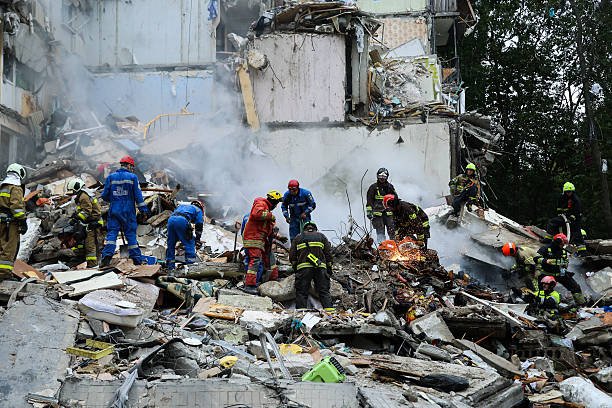
The heaviest losses were in Pryluky, in the northern Chernihiv region, where a missile destroyed a five-storey residential building. The figures remain provisional as rescue operations continue.
Children among those killed
The Associated Press reported on Thursday that Ukraine’s State Emergency Service had raised the death toll in Pryluky to 22, including five children.
The agency said 54 people were injured, seven of them children. Rescuers had pulled 15 survivors from the rubble in the immediate aftermath, including a child.
The Pryluky deaths form part of the wider national toll. They should not be added to the reported total of 32.
Ukraine had warned of an attack
Zelenskyy had warned on Tuesday that Ukrainian intelligence believed Russia was preparing a large aerial assault.
AP’s earlier reporting described attacks on Kyiv and a dozen other regions. Despite the warning, Ukraine’s defences could not prevent all the strikes.
Russia’s defence ministry said it had targeted facilities producing and storing missiles and drones. That is Moscow’s account of its intended targets, rather than independent confirmation that every site struck was a military facility.
Energy damage adds pressure before winter
The Financial Times reported that attacks on energy infrastructure caused power cuts in several Kyiv districts.
Damage to electricity supplies adds to the disruption facing residents as winter approaches. Ukraine continues to seek additional air-defence support while emergency workers deal with the casualties and destruction.
Why it matters to Africa and the diaspora
The war’s economic effects extend beyond Europe. In a 2022 assessment, UN Trade and Development warned that disruptions to food, fuel and fertiliser markets placed particular pressure on African and other developing economies.
That provides context for Africa’s exposure to the continuing conflict. It does not establish that this week’s strikes have caused a new increase in African prices.
For diaspora readers with relatives or other connections in Ukraine, the immediate concern is the safety of those affected by attacks and disruption to essential services.