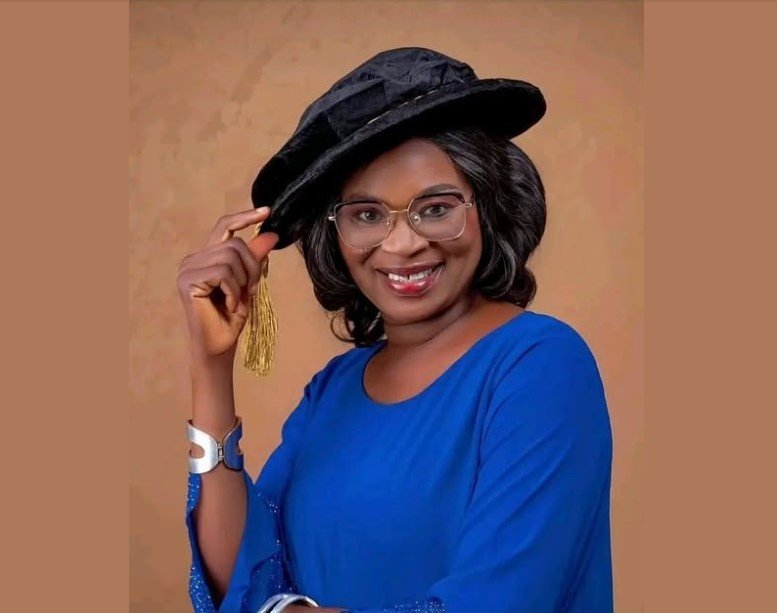
The Yoruba film and theatre community is mourning actress and cultural educator Dr Olatunde Ogunsola-Oluyemi, whose death was announced on Monday, 16 November 2026. She was the daughter of late theatre pioneer Ishola Ogunsola, popularly known as Ishow Pepper, and veteran performer Evangelist Iyabo Ogunsola, widely known as Iya Efunsetan. The announcement prompted tributes from colleagues who remembered her artistic work, friendship, and contribution to Yoruba performance traditions.
According to Premium Times, Ogunsola-Oluyemi was also a screenwriter, Yoruba-English translator, Ewi performer and cultural researcher. Her career therefore extended beyond acting into language, education, and the preservation of indigenous performance. The publication reported that her screen credits included Èjá and Okoto The Series, illustrating her participation in contemporary productions alongside her wider cultural work.

Who Confirmed Her Death?
The news became public through an emotional Instagram tribute shared by actress and colleague Wumi Olabimtan on Monday. Olabimtan described the deceased as a close friend and confidante, recalling the warmth, talent, and wisdom she brought to personal relationships and creative spaces. She affectionately referred to her as “Aunty Tunde” and “Mummy Iwa,” names suggesting familiarity extending beyond their professional association.
PUNCH reported that the deceased was married to filmmaker and theatre practitioner Ayo Oluyemi. The outlet also confirmed that her mother is veteran actress Iya Efunsetan. Reports reviewed for this article did not establish an official age at death, a medically verified cause of death, or funeral arrangements. Although some outlets placed the death on Sunday, 15 November, the reliably documented public announcement took place on Monday.
A Family Rooted in Yoruba Theatre
Her father, Ishola Ogunsola, was associated with the formative years of modern Yoruba travelling theatre, when productions reached communities through live performances before the expansion of home-video cinema. His stage name, Ishow Pepper, remains familiar to audiences and practitioners who remember that period. Her mother, Evangelist Iyabo Ogunsola, also helped sustain the family’s connection to performance through her own career as Iya Efunsetan.
The family association provides important context, but it should not obscure Olatunde’s own professional identity. She combined performance with research, translation, and teaching-related work at a time when preservation of local languages and theatre history remains an important cultural concern. Her career linked an established artistic lineage with contemporary efforts to train performers and interpret Yoruba stories for new audiences.
Her Work in Education and Cultural Preservation
Earlier in 2026, Ogunsola-Oluyemi announced that Olabisi Onabanjo University had awarded her a PhD in Educational Technology. Her academic achievement highlights a professional life that crossed the boundaries between the performing arts and formal education. It also offers a clearer picture of the breadth of her work beyond appearances on screen.
She was associated with the Ibadan Metropolitan College of Theatre Arts and Cinematography through her husband, Ayo Oluyemi, who chairs the institution. The school, previously known as the Oluyemi Centre for Theatre and Allied Arts, offers training in performance, writing, and filmmaking. Available reporting credits the couple’s involvement in supporting the development of emerging practitioners, although it does not establish that she personally taught every programme or supervised every graduate.
How Are Colleagues Responding?
Tributes have come from actors and other members of the Yoruba entertainment community. Nigerian Tribune reported that Olabimtan’s announcement brought renewed expressions of sympathy to the Ogunsola and Oluyemi families, with colleagues recalling the deceased’s personal generosity and creative presence. In such moments, remembrances offer testimony to how a person was experienced by others, rather than evidence of an undisclosed medical or personal circumstance.
Other industry colleagues, including performers who knew her work and family background, have shared condolences. Some tributes emphasise the sudden sense of loss, while others foreground the influence of the wider Ogunsola theatre tradition. The family has not issued a publicly verified detailed account of the circumstances in the material reviewed, and responsible coverage should avoid amplifying unsupported explanations.
Why Does This Loss Matter?
Ogunsola-Oluyemi’s death brings attention to the often less visible workers who connect Nigeria’s theatre past to its present. Actors receive public recognition for performances, but translation, cultural research, screenwriting, and training also shape what audiences see and understand. Her combined roles demonstrate that an artist’s influence can be measured in work preserved, languages used and people encouraged, as well as in film credits.
For her colleagues and family, the immediate concern is mourning and remembrance. For the wider industry, the moment also reinforces the value of documenting careers while practitioners are alive and preserving records of Yoruba theatrical history. Any further information about funeral plans or the circumstances of her death should come from confirmed family or authorised announcements, rather than online speculation.
Related Trivane News
Veteran Nollywood Actor Olu Jacobs Dies at 84
Nollywood Loses Veteran Actor Francis Duru at 57