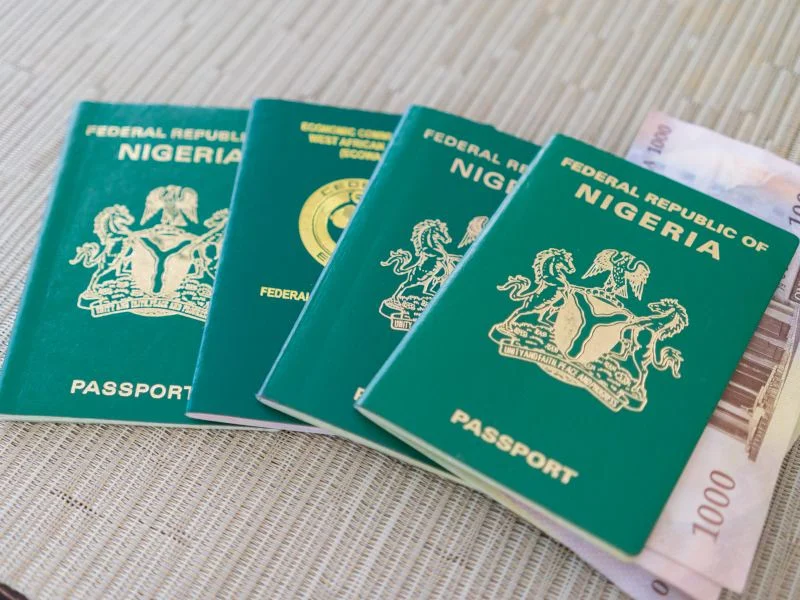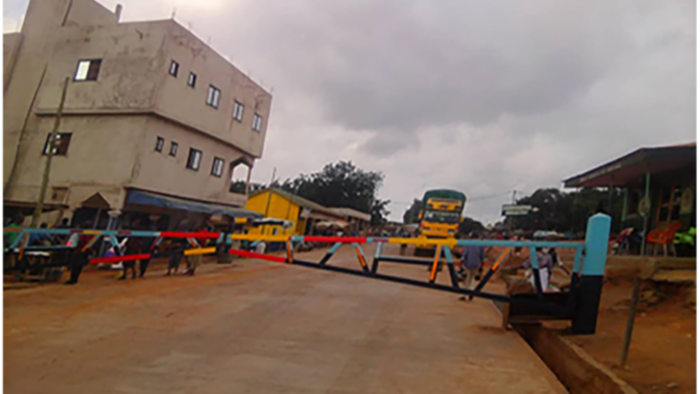
A newly published investigation has raised fresh concerns about the transport networks used along the Nigeria–Ghana corridor, reporting that travellers were able to cross checkpoints despite lacking standard identification documents. The findings, published on Saturday, 31 October, add to existing evidence that people recruited with false job promises can be moved across borders into exploitation.
The original field investigation was conducted by Gbenga Salau for The Guardian. His reporting followed journeys through border corridors linking Nigeria, Benin, Togo and Ghana and documented weaknesses in passenger checks. The observations belong to The Guardian’s reporter; Trivane has not independently travelled the route or verified each encounter described.
What Did the Investigation Find?
The report described transport intermediaries and drivers who allegedly assisted passengers without passports through parts of the route, sometimes in exchange for additional payments. During one journey, the reporter observed inconsistent screening and people crossing without conventional travel documents. Those findings warrant scrutiny but do not establish that every transport company or border official participates in trafficking.
The investigation also interviewed women who described being moved to Ghana through arrangements made by others, sometimes under coercive conditions. Their accounts illustrate the danger of recruiters controlling transport, money or identity documents. The details should not be used to identify survivors or suggest that all irregular travellers are trafficking victims; individual circumstances require careful assessment.

Why Is the Ghana Route Under Scrutiny?
Earlier official warnings reinforce the broader concern. Ghana News Agency reported in June that Ghana’s interior minister had drawn attention to the Aflao and Akanu routes and linked those corridors to identified trafficking victims. His figures concerned an earlier period and should not be presented as cases discovered by the October investigation.
A separate October report by Premium Times said Nigeria’s anti-trafficking agency received 105 nationals rescued from suspected exploitation linked to operations in Ghana. That operation involved alleged cybercrime syndicates, a related but not identical pattern to the sexual exploitation examined in the new transport investigation. The two reports together underline why cross-border investigations must distinguish victims, witnesses and suspected perpetrators.
Who Is Responsible for Prevention?
Transport companies have a legitimate role in regional mobility, employment and trade. Their responsibilities become more complicated when passengers have irregular documents, are controlled by a recruiter or appear unable to explain their journey. Officials can strengthen checks without treating every traveller as a suspect, while operators need clear ways to alert authorities when they identify signs of coercion.
The anti-trafficking agency, immigration authorities and their counterparts in neighbouring states must coordinate intelligence, investigate facilitators and offer safe referral pathways. Victims may need emergency accommodation, medical care, legal assistance and family reunification. Public disclosures should protect identities and avoid publishing details that could expose survivors to retaliation.
The available evidence does not quantify how many crossings are facilitated by bribery or how many transporters are knowingly involved. Likewise, one investigative journey cannot establish the practices of every border post. More evidence will be needed from official investigations, transport registers and documented enforcement outcomes.
Regional mobility creates real opportunities for traders, students, workers and families. Anti-trafficking interventions therefore need to avoid disrupting lawful journeys indiscriminately. Better passenger verification can be paired with confidential reporting, trained safeguarding staff and clear procedures for identifying people whose passports or travel decisions are controlled by someone else. Someone travelling without the proper paperwork is not automatically a criminal, while someone travelling with valid documents may still be under coercion.
Because exploitation can involve recruitment in one country, movement through several borders and abuse in another, fragmented investigations may miss important evidence. Cooperation should cover recruitment records, transport payments, digital communications and survivor statements obtained with appropriate safeguards. Where officials allege bribery or criminal facilitation, accusations should be investigated and put to those concerned before conclusions are published.
What Happens Next?
Authorities could respond to the findings with targeted checks, training for transport operators and an audit of screening procedures on identified routes. Journalists should seek responses from relevant immigration services and companies, track prosecutions where charges are filed and follow whether survivors receive continuing protection. Any new arrest must be reported as an allegation until adjudicated.
Trivane View
The public interest lies in protecting people from coercion while preserving lawful regional travel. A credible response should focus on recruiters, exploitation networks and corrupt facilitation rather than stigmatising migrants. Cross-border cooperation should be judged by safer journeys, stronger safeguards and documented outcomes for survivors.
Related Trivane News
FBI Operation in Nigeria Nets Nine Arrests
NiDCOM Urges Nigerians in France to Remain Calm Amid Community Concerns
Nigeria’s New Envoy in South Africa Promises Protection