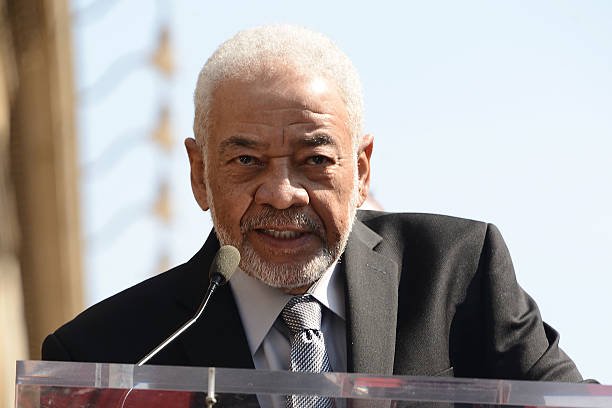
Nigerian singer Eedris Abdulkareem has released a politically charged music video titled Beg Your Papa, addressing President Bola Tinubu through the president’s son, Seyi Tinubu, in a critique of hardship and governance. The video circulated on Monday, 2 November, while Nigerian entertainment reports published on Tuesday, 3 November developed the story and its reactions. The song is an expression of the musician’s political views, not an official finding that any allegation in its lyrics is true.
Legit.ng reported that Abdulkareem appealed to Seyi Tinubu to speak to his father about Nigerians’ living conditions and used the new track to comment on economic strain and political accountability. The singer has a longstanding reputation for producing socially critical music. He also referred to issues around taxation and elections, allegations that require separate factual reporting rather than simple repetition as if they had been proven by the release of a song.
What Message Does the Singer Deliver?
The music video takes the unusual form of an appeal addressed to the president’s family rather than a conventional policy statement. It contrasts the duties of a father with those of a national leader and invites listeners to think about the pressures faced by ordinary households. Such rhetoric is central to the song’s artistic argument, but it should not be confused with a measured evaluation of government economic performance.
TheNiche reported that Abdulkareem used Yoruba, Igbo and Hausa while discussing social conditions and urging a response from the country’s leaders. The mix of languages can broaden the sense of audience addressed by the work, even as the message remains openly partisan in tone. The release adds to a tradition of Nigerian musicians employing satire, anger and direct address to challenge those holding public office.

Which Claims Need Independent Verification?
The singer criticised lawmakers over tax legislation and voiced allegations about the electoral process. Neither point becomes a verified fact because it appears in lyrics or attracts strong reactions online. Journalists covering the release should identify the specific legislation under discussion, check its enactment and commencement dates, and seek documentary evidence before presenting any claim of planned election manipulation as established.
Political songs frequently move quickly across social platforms, where short clips can detach lyrics from their wider meaning. The public should be able to distinguish the musician’s words from the responses of elected officials or election administrators. At the time of writing, the reviewed reports establish that the track was released and that the allegations were expressed; they do not supply independent proof of the misconduct alleged in the song.
Why Does Protest Music Attract Attention?
Abdulkareem’s catalogue has long been associated with music that comments on public affairs. Protest songs can give vivid form to frustration, mobilise discussion and create cultural records of a particular moment. Their reach, however, depends on audience interpretation and the platforms through which they circulate. A viral video is evidence of circulation, not necessarily evidence that the assertions inside it are accurate.
For context, PUNCH reported separately on Tuesday that official figures showed debt-service commitments and payroll obligations placing significant pressure on federal finances. That reporting is not confirmation of the musician’s allegations about the president or elections, but it illustrates why economic management remains a prominent national discussion. The context link should be read as an independent public-finance report, not as a third outlet claiming to have verified the new song.
The debate also raises the difference between artistic freedom and factual accountability. A musician can criticise public figures through metaphor and satire, while journalists must distinguish that commentary from events and records that can be verified independently. The release remains the news.
What Happens Next?
Further developments would include a response from the presidency or Seyi Tinubu, additional comments from Abdulkareem and any evidence-based clarification of the specific tax or election allegations. The song’s subsequent reception may be relevant if documented through reliable data rather than anecdotes. News coverage should keep the central distinction intact: the musician has made a political statement, while the truth of its factual assertions requires separate verification.
Trivane View
Musicians have a legitimate place in civic debate, particularly when public policy affects everyday life. At the same time, criticism in a song should be reported as criticism, not converted into an untested allegation presented as newsroom fact. Readers deserve both the freedom to hear dissenting voices and accurate context for claims involving public institutions.
Related Trivane News
Wizkid Surpasses 12 Billion Spotify Streams Across All Credits