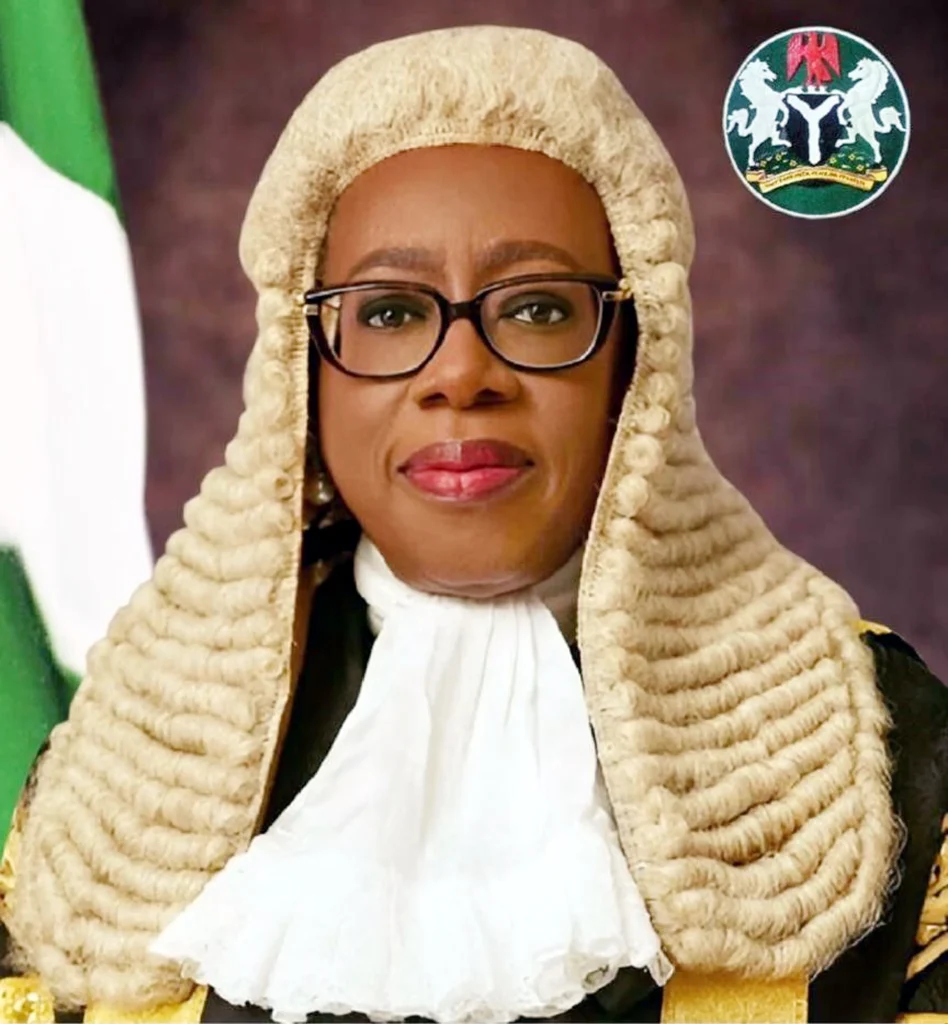
Chief Justice of Nigeria Kudirat Kekere-Ekun has warned judges and heads of courts to resist political pressure, forum shopping, and applications designed to secure conflicting orders ahead of the 2027 general elections. Speaking at the National Judicial Institute’s roundtable for heads of courts in Abuja on Monday, 26 October, she called for careful scrutiny of urgent applications and disclosure of related cases. The PUNCH published the remarks early Tuesday. The timing matters: election disputes can reach courts before voting, particularly when parties disagree over nominations, primaries, and candidates’ eligibility.
Why Does Forum Shopping Matter?
Forum shopping occurs when litigants seek a favourable court or judicial officer rather than allowing a dispute to proceed through the proper process. Related problems include withholding information about proceedings already filed elsewhere and requesting urgent orders that conflict with existing decisions. Such tactics can create confusion for electoral bodies, parties, and voters. Kekere-Ekun urged judges to insist on full disclosure and use procedural safeguards against manipulation. Her warning is particularly significant because orders made in one jurisdiction may affect candidate lists or party leadership decisions nationwide. Courts must still consider legitimate urgent requests; the problem is abuse of procedure, not the mere fact that litigants ask for quick relief.

What Is the Election Context?
Nigeria is already experiencing disputes about candidate selection and electoral administration. Channels Television’s Monday news roundup reported that INEC was preparing to consider petitions from candidates omitted from published lists at a meeting scheduled for Thursday, 29 October. Those petitions are administrative questions, not proof of judicial wrongdoing, but they illustrate the pressures likely to reach the courts. Separately, Trivane’s earlier report on specialist anti-corruption judges examined proposals to improve case management without sacrificing fair-trial rights. The same balance applies to election litigation: speed cannot replace due process.
What Other Judicial Problems Did She Identify?
The chief justice also addressed long delays, inefficient scheduling, repeated adjournments and weak communication when sittings are cancelled. She asked court leaders to understand their pending caseloads, the age of unresolved matters, and the reasons for delays. These are not abstract management issues. A dispute decided after a decisive political deadline may offer little practical remedy, even if the eventual judgment is legally sound. She urged transparent, merit-based judicial appointments, punctual court sittings and respectful treatment of litigants. Improving the machinery of justice could therefore be as important as warnings about political influence. However, no new national performance dashboard or binding reform timetable was announced in the report.
What Would Accountability Look Like?
A credible response would involve transparent assignment of election cases, consistent disclosure rules for related proceedings, and prompt publication of reasoned judgments. Court administrators could also report aggregate information about delayed matters without disclosing confidential deliberations. Parties and lawyers have responsibilities too: legal advocacy should not involve concealment or parallel proceedings intended to obtain contradictory outcomes. Public criticism of a judgment is not itself improper pressure, but threats or attempts to dictate an outcome undermine judicial independence. The judiciary must protect the right to challenge electoral decisions while preventing procedural gamesmanship. Election observers can help by documenting public rulings accurately, rather than treating every interim order as a final decision. Where multiple cases concern the same party dispute, transparent court records can help journalists explain which court has jurisdiction and whether a later order supersedes an earlier one. The National Judicial Council and court leadership also have an important role in responding to substantiated complaints through established disciplinary procedures. None of these safeguards should be confused with executive control over judges. It would be premature to claim that the chief justice’s speech alone has eliminated these risks.
What Happens Next?
Watch whether heads of courts issue practical guidance on related-case disclosures, urgent orders, and docket management before the election. The scheduled INEC meeting on 29 October may also clarify some nomination disputes before they escalate into litigation. The test is whether judicial safeguards are applied consistently to every party, not whether any particular candidate wins a court contest.
Trivane View
Judicial independence cannot rest on speeches alone. Nigerians deserve a system in which politically sensitive cases are assigned fairly, heard promptly, and decided on law rather than influence. Publishing workable safeguards, tracking delays, and enforcing professional rules would make the chief justice’s warning measurable. Electoral legitimacy depends not only on voting but also on confidence that courts cannot be manipulated after political disagreements arise.