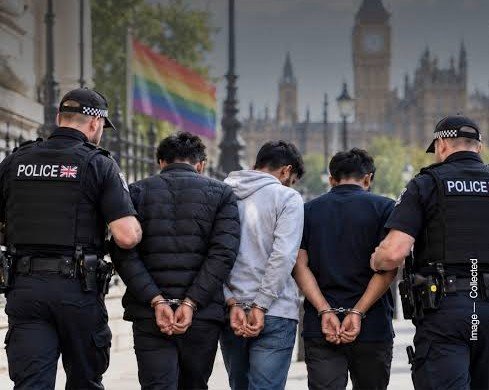
Home Office immigration enforcement officers arrested three people in London on Tuesday, 6 October, during an investigation into a suspected network accused of supplying fabricated evidence for asylum applications. According to BBC News, in a report republished by AOL, two people were arrested on suspicion of fraud and immigration offences. A third was arrested on suspicion of being in the country unlawfully. Officers also seized phones, jewellery, and thousands of pounds in cash. The allegations concern evidence used to support claims of persecution based on sexual orientation. Investigators examine alleged evidence packages Chris Foster, a regional lead for criminal investigations at the Home Office, told the BBC that investigators were examining links to Apanjon, a Bangladeshi community LGBT organisation based in Whitechapel. He said officials suspected that people had been charged between £1,000 and £4,500 for documents and photographs intended to support false claims. The alleged material included staged photographs and letters from people claiming to have a same-sex relationship with an applicant. Foster said asylum caseworkers had identified suspicious patterns, prompting an investigation lasting several months. The Sun’s account of the operation says officers searched four properties across east London. It also reports that more than 100 potentially linked asylum applications are being reviewed. Home Secretary Shabana Mahmood said the government would pursue those profiting from fraudulent claims while continuing to protect people genuinely fleeing danger. A review does not establish that every application involved was fraudulent. The arrests and investigators’ suspicions must also be distinguished from findings of guilt. Sexual-orientation persecution remains a ground for protection The investigation concerns alleged fabrication of evidence. People facing persecution because of their sexual orientation remain able to seek protection under the UK’s asylum framework. GOV.UK’s asylum eligibility guidance states that a person seeking refugee status must be unable to live safely in their home country because they fear persecution and cannot obtain protection from the authorities there. The guidance expressly includes sexual orientation and gender identity among the possible reasons for persecution. Being gay does not, by itself, guarantee refugee status: the assessment concerns the danger a person faces and whether protection is available. The immediate development is therefore an enforcement investigation into suspected evidence fraud. It does not establish wrongdoing by LGBT asylum applicants generally, or determine the outcome of each application under review.