Author name: Trivane News

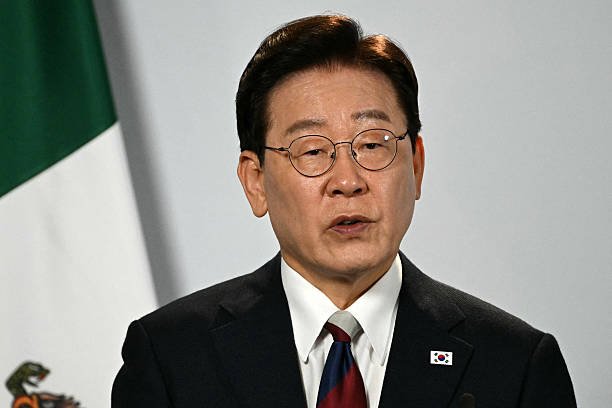
South Korea warns Ukraine of further measures over North Korean prisoner disclosure

South Korean President Lee Jae Myung has warned that Seoul could take further measures against Ukraine unless Kyiv acknowledges what South Korea says was a confidentiality agreement covering the transfer of two North Korean prisoners of war and issues an official apology. Lee made the warning on Friday, 2 October, as a dispute over the

South Korea warns Ukraine of further measures over North Korean prisoner disclosure Read More »

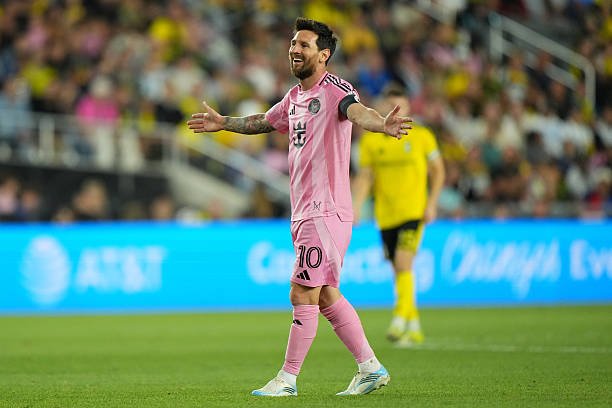
Messi acquires majority stake in Spanish club Eldense, subject to regulatory approval

Lionel Messi has acquired a majority stake in Spanish second-tier club CD Eldense, the club announced on Thursday, 1 October, with the transaction still awaiting mandatory regulatory approval. The announcement expands the Argentine footballer’s involvement in club ownership while he continues his playing career with Inter Miami in the United States. It also brings international

Messi acquires majority stake in Spanish club Eldense, subject to regulatory approval Read More »

GCash parent Mynt prices $845 million IPO ahead of Philippine market debut

Mynt, the parent company behind the Philippine mobile wallet GCash, has priced its initial public offering at 6.60 pesos a share, setting up a transaction worth approximately 53 billion pesos, or $845 million. The company announced the price on Friday, 2 October. It plans to offer up to 8.03 billion shares, with trading on the Philippine

GCash parent Mynt prices $845 million IPO ahead of Philippine market debut Read More »

Fire Destroys DR Congo Ebola Transit Centre as Violence Disrupts Response

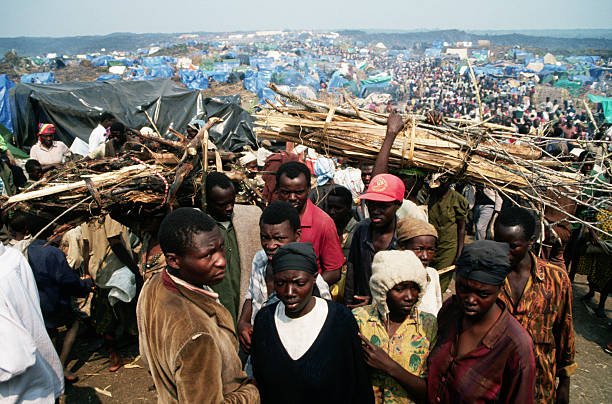
A fire has destroyed an Ebola transit centre at a displacement camp in the eastern Democratic Republic of Congo, adding to the difficulties facing health teams responding to the country’s largest recorded Ebola outbreak. The facility was at Kigonze camp near Bunia in Ituri province. The United Nations reported its destruction on Thursday, 1 October, as insecurity continued to obstruct access to affected communities. Separately, Médecins Sans Frontières, known as MSF, warned that surveillance and detection gaps mean the outbreak’s true toll is likely higher than reported figures. The organisation also confirmed that a staff member had contracted the virus. (globalissues.org, msf.org) Fire removes capacity as families flee  According to UN News, Kigonze had sheltered approximately 19,000 people displaced by violence. Thousands fled after reports that soldiers entered the camp searching for weapons and suspected members of armed groups. Gunfire was also heard, according to the account. Julien Harneis, the UN’s senior Ebola coordinator in DR Congo, said establishing response facilities had required substantial funding and staffing. Losing the centre meant losing capacity and investment. The UN account does not establish who caused the fire. It should therefore not be described as a proven deliberate attack by a named group. (globalissues.org) Insecurity obstructs testing and patient transfers  The UN said violence had restricted access to Fataki, Drodro, and Lita health zones. It also delayed laboratory samples reaching Bunia and disrupted transfers of confirmed patients. In neighbouring North Kivu, humanitarian reporting indicated that two Ebola responders were killed on 27 and 28 September. The destruction of a facility, displacement of residents, and interrupted patient transfers represent separate pressures on the response. The available reporting does not provide a rebuilding timetable for Kigonze. (globalissues.org) Reported deaths approach 4,000  In its statement issued on Thursday, MSF summarised the outbreak as involving more than 8,000 confirmed cases and approximately 4,000 deaths since May. It said the actual toll was likely higher because surveillance and case detection remained incomplete. Those rounded figures should not be presented as an exact, independently verified count exceeding 4,000 deaths. Published updates use different reporting cut-offs, and the distinction between an estimate and a dated surveillance total matters. MSF’s Dutch branch published a more detailed update listing 8,245 confirmed infections and 3,984 deaths. The figures describe the scale reported in that update, rather than a final total for an ongoing outbreak. (msf.org, artsenzondergrenzen.nl) MSF staff member evacuated for treatment  MSF confirmed that a colleague working on the response had tested positive for Bundibugyo virus disease. It said the evacuation to the Netherlands was being conducted under strict medical protocols, coordinated with health authorities in both countries. The organisation withheld individual details to protect the patient’s privacy. MSF acknowledged that healthcare workers face substantial exposure risks and that training and protective measures cannot eliminate every possibility of infection. Its Dutch branch said arrangements for a possible evacuation had been discussed with national health authorities after the outbreak emerged in May. The patient would enter a specialist isolation unit staffed by trained personnel. (msf.org, artsenzondergrenzen.nl) A geographically widespread emergency  The World Health Organization’s latest detailed outbreak assessment records affected health zones across seven Congolese provinces. It warns that expansion into additional areas increases the risk of cross-border transmission. However, its national figures are dated 23 September and should not be substituted for later updates. WHO also notes that an improving national trend can conceal continued intense transmission in particular provinces and health zones. The agency assesses risk within DR Congo as very high and risk to countries sharing its land borders as high. Its assessment places risk elsewhere in Africa and globally at low levels, illustrating that risk varies substantially by location. (who.int) Care and containment remain essential  WHO says this outbreak involves Bundibugyo virus, for which there is no approved vaccine or specific treatment, although research into candidates continues. That does not mean medical care is unavailable. The response includes clinical care, laboratory testing, infection prevention, surveillance and community engagement. MSF says it continues supporting the response in Ituri, North Kivu, Tshopo and Haut-Uélé. Protecting facilities and restoring access are necessary for those services to reach affected communities. The Kigonze fire leaves responders with another gap to address while transmission continues. (who.int, who.int, msf.org)

Fire Destroys DR Congo Ebola Transit Centre as Violence Disrupts Response Read More »

UNICEF Warns of Child Deaths in Baidoa Fighting as Hospital Access Is Blocked

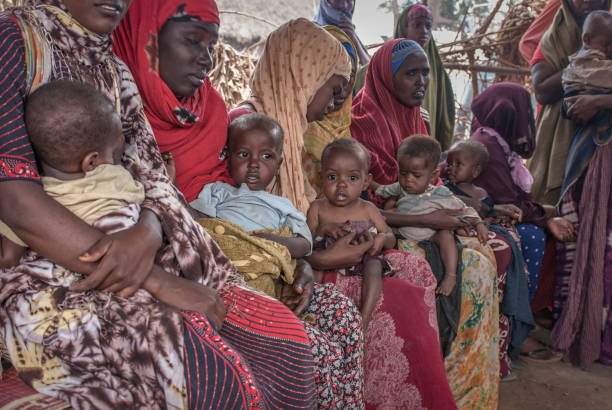
UNICEF has expressed concern over reports that children have been killed and injured in renewed fighting in Baidoa, Somalia, where violence is disrupting healthcare amid a worsening hunger crisis. In a statement published on Wednesday, 30 September, the agency’s Somalia representative, Sandra Lattouf, also highlighted reports that a health facility had been damaged. UNICEF did not provide a casualty figure, identify those responsible, or explain the circumstances of the reported child deaths. Its statement calls for protection of children and essential services, rather than presenting a complete account of the clashes. (unicef.org) Children’s access to essential services threatened  In its published statement, UNICEF said insecurity was endangering children and restricting access to healthcare and other services. Families were already dealing with displacement, food insecurity, and high levels of child malnutrition before the latest violence. The agency urged all parties to protect children, schools, and health facilities, and to allow safe, unhindered humanitarian access. The statement does not say that a school was attacked. Its reference to schools forms part of a broader appeal to protect civilian services during the fighting. (unicef.org) Hospital receives patients after Monday’s clashes  Médecins Sans Frontières, known as MSF, said fighting erupted in and around Baidoa on Monday, 28 September. In its separate account, the organisation said medical teams working with the Ministry of Health at Bay Regional Hospital had received 69 patients affected by the violence, including five children. Three deaths were recorded. MSF also reported that a healthcare worker had been killed and that a health facility was severely damaged. Those details should not be combined into a new death toll. The statement does not establish whether the healthcare worker’s death is included in the three recorded deaths, while UNICEF’s later statement gives no numerical child casualty count. (msf.org) Blocked roads restrict treatment  MSF said roads to hospitals had been blocked after the fighting began, preventing many wounded people from reaching care. The disruption also affected patients needing other urgent and essential treatment. This was the third outbreak of fighting since 17 August. MSF recorded hospital admissions and deaths after clashes on that date and again on 3 September, but those earlier figures describe separate episodes. Its latest hospital count, therefore, represents patients who reached one facility, rather than a comprehensive assessment of everyone harmed across Baidoa. (msf.org) Displaced families face catastrophic hunger risks  The violence comes as food-security assessments warn of further deterioration in Baidoa’s displacement settlements. The Integrated Food Security Phase Classification, or IPC, projects that nearly 26,000 displaced people in Baidoa will face catastrophe-level food insecurity between October and December 2026. That is a projection for a specific population and period, rather than a finding that the entire city is experiencing famine. The IPC also identifies a risk of famine among displaced people in Baidoa under a plausible worst-case scenario involving more severe flooding and displacement. Across Somalia, the assessment projects that 5.4 million people will face crisis-level hunger or worse during the final three months of the year. Drought, insecurity, high food prices, and anticipated flooding are among the pressures identified. (ipcinfo.org) Malnutrition figures cover the coming months  A joint humanitarian update summarising the IPC assessment estimates that 1.92 million Somali children under five will need treatment for acute malnutrition between July 2026 and June 2027. That includes approximately 433,000 children expected to experience severe acute malnutrition. These figures describe an estimated treatment burden over a year. They should not be presented as a count of children all suffering from malnutrition at the same time. The update also warns that flooding could interrupt services in already vulnerable areas, including displacement sites in Baidoa. (unicef.org.uk) Earlier surveys found severe deprivation  MSF’s earlier assessment of 888 households across 14 displacement sites in Baidoa found that one-third of families were surviving on one meal a day. The organisation said its child screening data showed acute malnutrition levels of around 50 percent. Those findings concerned surveyed displacement communities and screening activities, rather than every child living in the city. They nevertheless show the conditions facing families before the latest clashes interrupted hospital access. (msf.org) The available statements leave important questions unanswered, including the full number of children harmed and responsibility for particular incidents. UNICEF and MSF’s immediate appeals focus on protecting civilians and restoring access to healthcare and humanitarian assistance. Neither statement provides a complete casualty total for the latest violence.

UNICEF Warns of Child Deaths in Baidoa Fighting as Hospital Access Is Blocked Read More »

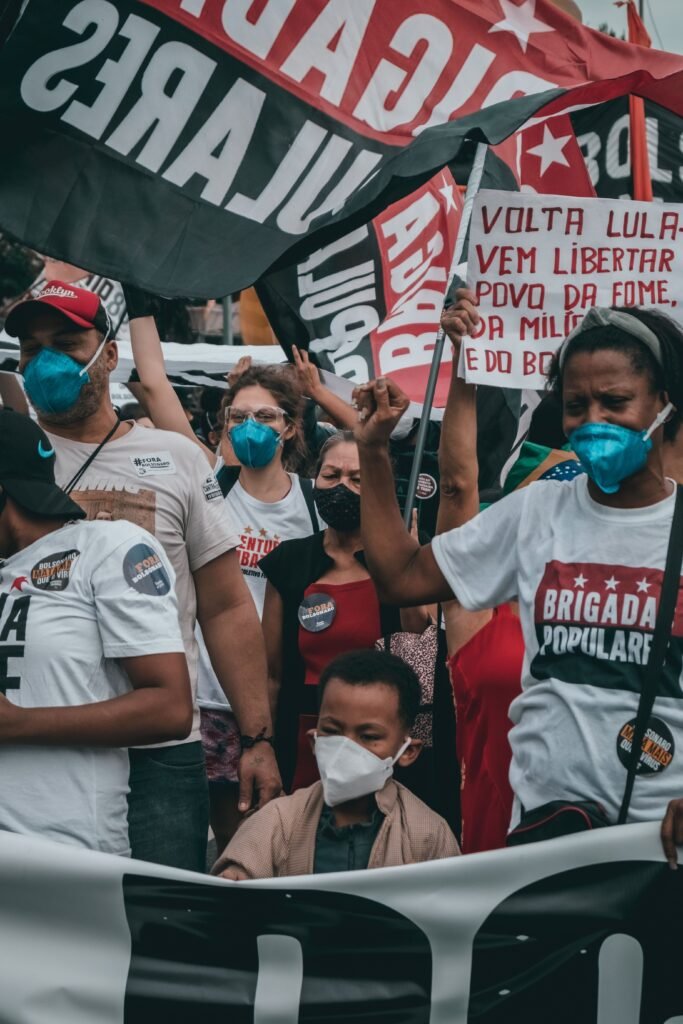
Crowd in Rio de Janeiro protesting, showing support with flags and masks.

Brazil’s Final Presidential Debate Cancelled as Lula and Flávio Bolsonaro Stay Away

Brazil’s TV Globo cancelled its final presidential debate on Thursday, 1 October, after both leading candidates declined to attend and last-minute court decisions changed the arrangements for the broadcast. President Luiz Inácio Lula da Silva had already rejected the invitation. Senator Flávio Bolsonaro withdrew hours before the programme, leaving voters without a final televised confrontation between the frontrunners before Sunday’s first-round election. In its cancellation statement, Globo cited legal uncertainty caused by judicial decisions affecting rules previously agreed with the campaigns. The broadcaster’s explanation, therefore, went beyond the absence of the two leading candidates. (noticias.uol.com.br) Bolsonaro withdraws hours before broadcast  Flávio Bolsonaro, the eldest son of former President Jair Bolsonaro, initially intended to participate. Reuters reported that he withdrew after Lula declined to attend. Earlier in the week, the senator had said Lula was the opponent he wanted to debate. The president has avoided televised debates during this election campaign, arguing that the format does not always produce useful discussion for voters. His rivals have accused him of avoiding scrutiny. (reuters.com) Bolsonaro separately attributed his withdrawal to what he described as censorship by the electoral court. That was his criticism of a judicial decision, rather than a finding that the Court had unlawfully censored the event. Both frontrunners instead appeared in online broadcasts around the time the debate had been scheduled, according to the Associated Press. (apnews.com) Court rulings alter the debate arrangements  One ruling from the Superior Electoral Court prevented Globo from prominently displaying an empty podium identifying Lula and allowing questions directed at the absent president. A separate Supreme Federal Court decision required the broadcaster to include Renan Santos, another presidential candidate. Brazilian news outlet UOL reported that Globo received the decisions shortly before the programme and considered them incompatible with the arrangements it had made. The network said its purpose was to allow voters to compare proposals, but argued that successive last-minute decisions created uncertainty over how it could conduct the broadcast. It then cancelled the event. (noticias.uol.com.br) The Electoral Court’s ruling on the empty podium addressed a specific part of the proposed format. According to Metrópoles, the judge considered that allowing references and questions to an absent candidate could create an imbalance between participants. The rulings changed the debate conditions; Globo made the decision to cancel. They should not be described as a court order requiring the entire programme to be scrapped. (metropoles.com) Lula leads the latest first-round poll  A Datafolha survey released on Thursday put Lula at 42 percent of total voting intentions, compared with 38 percent for Bolsonaro. Folha de S. Paulo, which commissioned the survey with TV Globo, reported that both candidates had risen by two percentage points from the previous poll, within the survey’s margin of error. When blank votes, null votes, and undecided respondents were excluded, the poll gave Lula 45 percent of estimated valid votes and Bolsonaro 40 percent. These are different measures from the same survey. The 42–38 figures describe total voting intentions, while the 45–40 figures estimate the distribution among valid votes. Neither set is an election result. (www1.folha.uol.com.br) That distinction matters because the threshold for winning the presidency in the first round is based on valid votes, rather than the proportion of every respondent in an opinion poll. Runoff projection remains close  In a simulated second round, Datafolha recorded 48 percent for Lula and 45 percent for Bolsonaro. Reuters reported that the survey interviewed 2,506 people between 29 September and 1 October and had a margin of error of two percentage points. It described the runoff projection as a technical tie. The hypothetical matchup indicates how respondents answered a particular question before voting. It does not establish that these candidates will reach the second round or predict the eventual winner. (reuters.com) Voting begins on Sunday  Brazil’s Superior Electoral Court confirms that the first round takes place on Sunday, 4 October. Any presidential runoff is scheduled for 25 October. If no candidate obtains more than half of the valid votes in the first round, the two candidates with the most votes proceed to the second. Thursday’s cancellation leaves voters without the planned final exchange between the leading campaigns. Whether Lula and Bolsonaro will debate each other later depends first on the election results and then on their participation in any second-round events. (tse.jus.br, tse.jus.br)

Brazil’s Final Presidential Debate Cancelled as Lula and Flávio Bolsonaro Stay Away Read More »

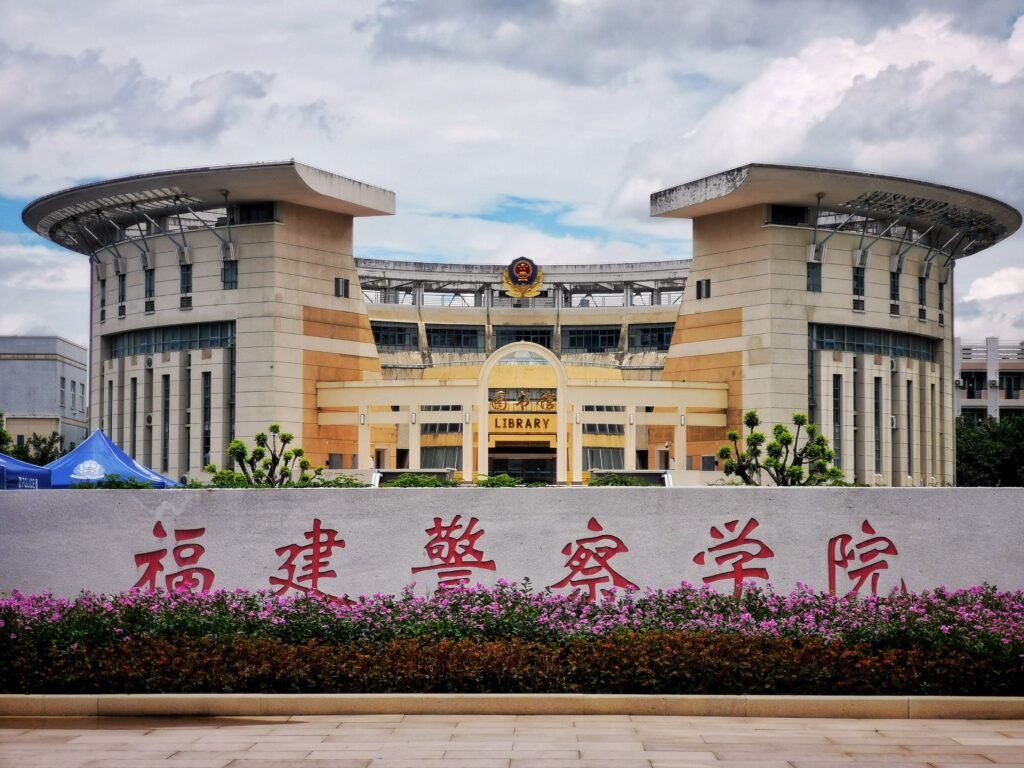
Front view of the Fujian Police College Library in Fuzhou, showcasing modern architecture and Chinese script.

MI5 Warns UK Universities Over Chinese Institute’s Alleged Intelligence Links

Britain’s domestic intelligence agency, MI5, has warned universities to immediately review collaborations with a Chinese research institute it says finances work that strengthens Beijing’s espionage capabilities. The warning, published on Wednesday, 30 September, names the China General Technology Research Institute, or CGTRI, sometimes translated as the China Academy of General Technology. MI5 says the organisation has strong ties to China’s Ministry of State Security, its civilian intelligence and security service. China’s embassy in London rejects the allegations. In its official espionage alert, MI5 says more than 100 UK-linked academics contributed to projects funded by the ministry through CGTRI. Some may not have known the institute was financing the Chinese research projects they were contributing to. (mi5.gov.uk) Research collaborations come under scrutiny  The projects covered artificial intelligence, cybersecurity, covert communications and steganography, which involves concealing information within other material. MI5 says the work supports Chinese intelligence capabilities and poses a threat to UK national security. However, the agency acknowledges that many institutions and individuals may have engaged in good faith because the institute’s intelligence connections were concealed. The alert does not identify the academics, universities or individual projects involved. It also does not establish that every participant knowingly assisted Chinese intelligence. The distinction matters when assessing the conduct of researchers who may have understood their work to be an ordinary academic collaboration. (mi5.gov.uk) Government urges universities to end arrangements  Security Minister Dan Jarvis said he had written to university leaders across Britain, asking them to support staff in ending relationships with the institute. Reuters reported that Jarvis described the activity as an attempt by Chinese intelligence to benefit covertly from British academic expertise. He also emphasised the value of international partnerships while saying the government would act against security threats. Reuters reported that MI5 described the warning as its first independently published public alert of this kind. (reuters.com) On Friday, the Financial Times reported that universities were examining their records following the warning. That indicates institutional checks are underway, although it does not establish how many affected arrangements have been identified or terminated. (ft.com) Potential criminal consequences require careful assessment  MI5 draws attention to the National Security Act 2023, particularly offences involving assistance to a foreign intelligence service and obtaining material benefits from one. Section 3 covers conduct likely to materially assist a foreign intelligence service in UK-related activities where the person knows, or ought reasonably to know from the circumstances, that their conduct would provide that assistance. Section 17 concerns obtaining, accepting or agreeing to accept material benefits supplied by or on behalf of a foreign intelligence service, subject to the statutory conditions. The warning does not mean that every previous collaboration constitutes an offence. Criminal liability depends on the facts and the relevant legal requirements. Publishing an intelligence assessment is also different from securing a conviction in court. (legislation.gov.uk, legislation.gov.uk) China rejects the allegations  In its published response, China’s embassy called the accusations “imaginary and purely fabricated” and said it had raised objections with British officials. The embassy maintained that academic exchanges between the countries were voluntary, lawful, and mutually beneficial. It urged British intelligence authorities to stop undermining educational and research cooperation. Its response disputes MI5’s assessment but does not provide a project-by-project explanation of the funding arrangements described in the alert. (gb.china-embassy.gov.cn) Support is available for research institutions  The government’s Research Collaboration Advice Team provides institutions with advice about national security risks connected to international research. It works with academics and university leaders on proportionate safeguards, including understanding relevant laws and assessing risks to sensitive technology, data, and expertise. The team is an advisory service, rather than an enforcement body. Its stated purpose includes helping institutions sustain successful international partnerships while protecting research from covert or coercive activity. Separately, the National Protective Security Authority’s Trusted Research guidance helps researchers, university staff and funding organisations protect sensitive work and intellectual property from theft, misuse or exploitation. (gov.uk, npsa.gov.uk) Earlier warnings targeted professional networking sites  The latest alert follows a June warning from the Five Eyes intelligence partnership, comprising Britain, the United States, Canada, Australia and New Zealand. That bulletin described Chinese intelligence officers posing as recruiters or consultants, using professional networking and job platforms to approach people with access to sensitive information. It concerned a different method of obtaining expertise and information. The CGTRI alert focuses specifically on research funding and collaboration, leaving universities to establish whether their own projects involve the organisation MI5 has named. (mi5.gov.uk)

MI5 Warns UK Universities Over Chinese Institute’s Alleged Intelligence Links Read More »

UK Immigration Changes Begin on 8 October: What Workers and Families Need to Know

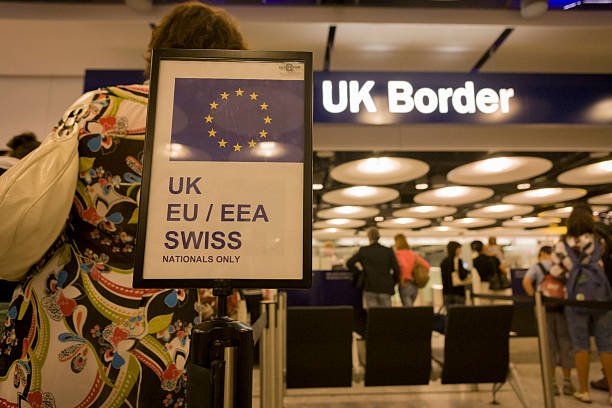
Changes to the UK’s Immigration Rules take effect from 8 October, including new employment flexibility for some Skilled Worker visa holders formally recognised as victims of modern slavery, tighter application-date rules following fee-waiver requests, and a settlement change for eligible children on the Hong Kong British National (Overseas) route. The Home Office published the measures

UK Immigration Changes Begin on 8 October: What Workers and Families Need to Know Read More »

Netanyahu’s Pre-Election Security Warning Draws Criticism From Israeli Opposition

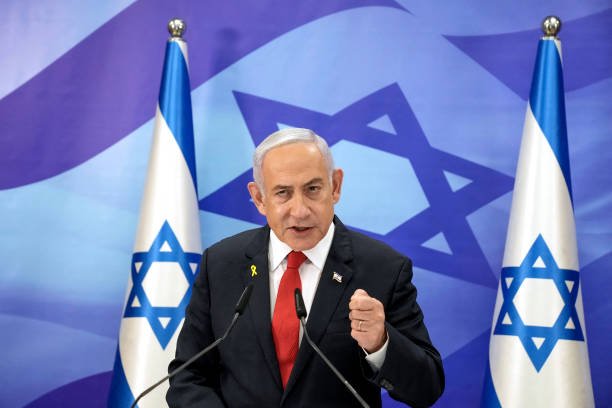
Israeli Prime Minister Benjamin Netanyahu has warned that Israel’s enemies could attempt attacks before the country’s 27 October parliamentary election, prompting demands from opposition leaders for more information about the intelligence behind his remarks. Netanyahu delivered the warning during a visit to Tel Nof Air Force Base on Tuesday, 29 September, saying Israel had indications

Netanyahu’s Pre-Election Security Warning Draws Criticism From Israeli Opposition Read More »

Nigeria Plans AGLOFEST Launch to Strengthen Diaspora Business and Cultural Ties

Nigeria’s Federal Government plans to launch the African Global Festival Nigeria, known as AGLOFEST, in October 2026, combining cultural programming with business and investment engagement involving Africa and the global Black Diaspora. The initiative is being developed as a public-private partnership and is intended to bring together government officials, investors, businesses, cultural institutions, creative professionals,

Nigeria Plans AGLOFEST Launch to Strengthen Diaspora Business and Cultural Ties Read More »