Eritrea announced on Thursday that it would sever diplomatic relations with Ethiopia after its neighbour ordered the closure of its embassy in Asmara and gave 10 Eritrean diplomats 48 hours to leave.
The reciprocal measures mark another deterioration in relations between countries whose governments had restored diplomatic ties in 2018.
They come amid renewed fighting in northern Ethiopia and accusations of outside involvement, adding a diplomatic confrontation to an already fragile regional security situation. (allafrica.com, nobelprize.org)
Ethiopia cites national security concerns
Ethiopia’s Ministry of Foreign Affairs said it had decided to close its embassy in response to what it described as Eritrea’s direct and indirect hostility.
The ministry accused the expelled diplomats of involvement in activities threatening Ethiopia’s national security and violating the Vienna Convention on Diplomatic Relations.
Fana Media Corporation, reporting the ministry’s statement, said the diplomats had been declared persona non grata and instructed to leave within 48 hours.
The Ethiopian statement also called on Eritrea to stop the alleged activities. At the same time, it said Ethiopia valued the historical, cultural and personal connections between the two countries and remained committed to resolving disputes peacefully.
Those security accusations are Ethiopia’s stated grounds for its decision. The announcement did not provide independently verifiable details of the alleged activities. (fanamc.com, allafrica.com)
Eritrea rejects the accusations
Eritrea’s Foreign Ministry rejected Ethiopia’s allegations and described the measures as unwarranted hostility.
According to Addis Standard’s account of the statement, Eritrea accused Ethiopia of pursuing a hostile agenda linked to its ambition to obtain sovereign access to the sea.
Asmara also alleged that Ethiopia was hosting, training and arming Eritrean opposition groups. These are allegations made by Eritrea, rather than independently established findings.
The ministry said it had previously exercised restraint but now considered a reciprocal diplomatic break unavoidable.
Neither government supplied independently verifiable details establishing its accusations against the other. The confirmed development is the announcement of diplomatic measures; responsibility for the alleged security activities remains disputed. (allafrica.com)
African Union calls for restraint
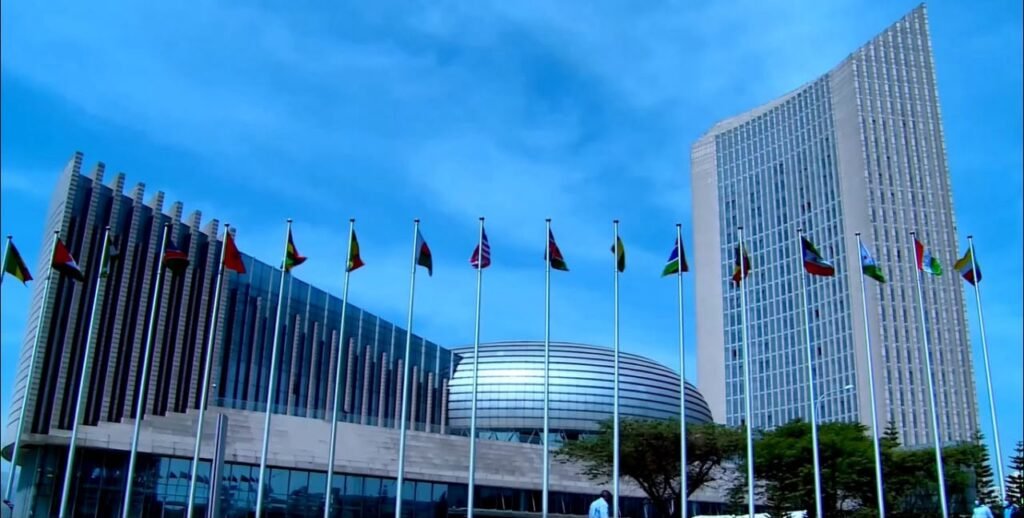
In a statement issued on 1 October, the African Union Commission expressed concern about heightened tensions involving Ethiopia, Eritrea and Egypt.
It urged all three countries to exercise restraint and avoid actions or statements that could further undermine regional peace.
The Commission stressed the need to preserve communication channels and resolve differences through diplomatic engagement and peaceful dialogue.
It also offered to support efforts towards de-escalation in consultation with the countries concerned. The statement did not announce an agreed mediation process, timetable or meeting.
Its emphasis on maintaining communication is particularly relevant as the embassy closure and expulsions reduce the countries’ normal diplomatic presence in each other’s capitals. (au.int)
Fighting adds to regional tensions
The diplomatic rupture comes as Ethiopia’s federal forces fight an opposition alliance involving the Tigray People’s Liberation Front.
Reuters reported that Ethiopia had accused Eritrea, Sudan and Egypt of supporting the alliance. All three countries denied the accusation.
Eritrean forces previously fought alongside Ethiopia’s federal government during the 2020–2022 Tigray war. Eritrea was not a party to the agreement that ended that conflict.
Relations have also deteriorated over Ethiopia’s pursuit of access to the Red Sea and Eritrea’s concerns about its sovereignty. These disputes provide context for the breakdown without establishing either government’s account of current events. (reuters.com)
The Associated Press reported explosions in Addis Ababa overnight, but said it remained unclear whether they resulted from an attack or military training.
AP also described disrupted communications, banking and other services in Mekelle, Tigray’s capital. Residents reported difficulty obtaining cash and carrying on daily business.
Those accounts underline the civilian pressures surrounding the renewed conflict. They do not establish a connection between the capital’s explosions and the diplomatic expulsions. (apnews.com)
A reversal of the 2018 rapprochement
Ethiopia and Eritrea fought a border war from 1998 to 2000, followed by years of strained relations.
The Nobel Foundation’s account records that Prime Minister Abiy Ahmed accepted a previous international boundary ruling after taking office in 2018, helping break the diplomatic deadlock.
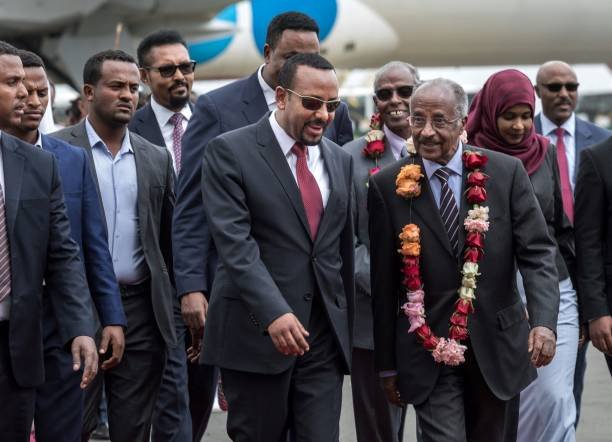
In July that year, Abiy and Eritrean President Isaias Afwerki signed a declaration restoring relations and reopening communications and air links.
Abiy received the 2019 Nobel Peace Prize for his peace efforts, particularly his initiative to resolve the border conflict. The latest rupture demonstrates how far relations have deteriorated since that rapprochement. (nobelprize.org, nobelprize.org, nobelprize.org)
For families and diaspora communities with connections across the border, arrangements for consular assistance will require clarification. The announcements do not, by themselves, establish new travel restrictions or a blanket ban on contact between citizens.