UNICEF has expressed concern over reports that children have been killed and injured in renewed fighting in Baidoa, Somalia, where violence is disrupting healthcare amid a worsening hunger crisis.
In a statement published on Wednesday, 30 September, the agency’s Somalia representative, Sandra Lattouf, also highlighted reports that a health facility had been damaged.
UNICEF did not provide a casualty figure, identify those responsible, or explain the circumstances of the reported child deaths. Its statement calls for protection of children and essential services, rather than presenting a complete account of the clashes. (unicef.org)
Children’s access to essential services threatened
In its published statement, UNICEF said insecurity was endangering children and restricting access to healthcare and other services.
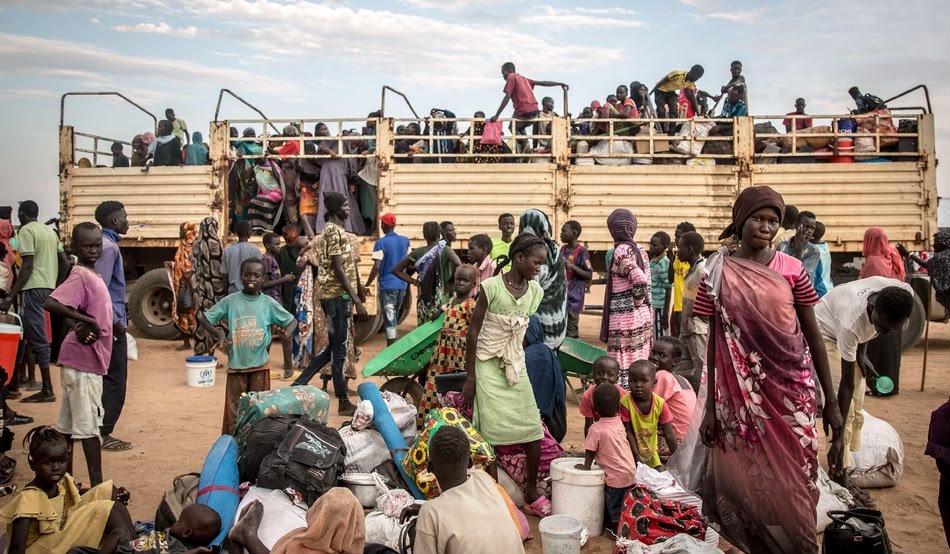
Families were already dealing with displacement, food insecurity, and high levels of child malnutrition before the latest violence.
The agency urged all parties to protect children, schools, and health facilities, and to allow safe, unhindered humanitarian access.
The statement does not say that a school was attacked. Its reference to schools forms part of a broader appeal to protect civilian services during the fighting. (unicef.org)
Hospital receives patients after Monday’s clashes
Médecins Sans Frontières, known as MSF, said fighting erupted in and around Baidoa on Monday, 28 September.
In its separate account, the organisation said medical teams working with the Ministry of Health at Bay Regional Hospital had received 69 patients affected by the violence, including five children. Three deaths were recorded.
MSF also reported that a healthcare worker had been killed and that a health facility was severely damaged.
Those details should not be combined into a new death toll. The statement does not establish whether the healthcare worker’s death is included in the three recorded deaths, while UNICEF’s later statement gives no numerical child casualty count. (msf.org)
Blocked roads restrict treatment
MSF said roads to hospitals had been blocked after the fighting began, preventing many wounded people from reaching care.
The disruption also affected patients needing other urgent and essential treatment.
This was the third outbreak of fighting since 17 August. MSF recorded hospital admissions and deaths after clashes on that date and again on 3 September, but those earlier figures describe separate episodes.
Its latest hospital count, therefore, represents patients who reached one facility, rather than a comprehensive assessment of everyone harmed across Baidoa. (msf.org)
Displaced families face catastrophic hunger risks
The violence comes as food-security assessments warn of further deterioration in Baidoa’s displacement settlements.
The Integrated Food Security Phase Classification, or IPC, projects that nearly 26,000 displaced people in Baidoa will face catastrophe-level food insecurity between October and December 2026.
That is a projection for a specific population and period, rather than a finding that the entire city is experiencing famine.
The IPC also identifies a risk of famine among displaced people in Baidoa under a plausible worst-case scenario involving more severe flooding and displacement.
Across Somalia, the assessment projects that 5.4 million people will face crisis-level hunger or worse during the final three months of the year. Drought, insecurity, high food prices, and anticipated flooding are among the pressures identified. (ipcinfo.org)
Malnutrition figures cover the coming months
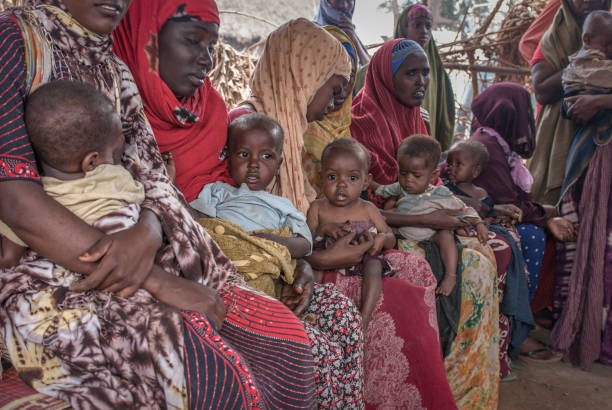
A joint humanitarian update summarising the IPC assessment estimates that 1.92 million Somali children under five will need treatment for acute malnutrition between July 2026 and June 2027.
That includes approximately 433,000 children expected to experience severe acute malnutrition.
These figures describe an estimated treatment burden over a year. They should not be presented as a count of children all suffering from malnutrition at the same time.
The update also warns that flooding could interrupt services in already vulnerable areas, including displacement sites in Baidoa. (unicef.org.uk)
Earlier surveys found severe deprivation
MSF’s earlier assessment of 888 households across 14 displacement sites in Baidoa found that one-third of families were surviving on one meal a day.
The organisation said its child screening data showed acute malnutrition levels of around 50 percent. Those findings concerned surveyed displacement communities and screening activities, rather than every child living in the city.
They nevertheless show the conditions facing families before the latest clashes interrupted hospital access. (msf.org)
The available statements leave important questions unanswered, including the full number of children harmed and responsibility for particular incidents. UNICEF and MSF’s immediate appeals focus on protecting civilians and restoring access to healthcare and humanitarian assistance. Neither statement provides a complete casualty total for the latest violence.