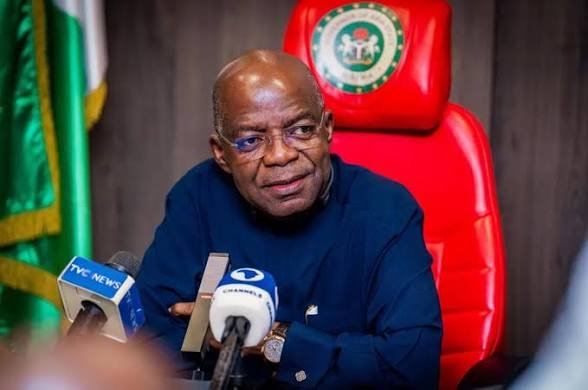
Abia State Governor Alex Otti has rejected calls for Nigeria to restore the petrol subsidy, arguing that government support should be directed towards production rather than making consumption cheaper.
Otti said removing the subsidy was the right decision despite the financial pressure the policy initially placed on Nigerians.
The Labour Party governor made the remarks during an interview with Arise News as debate over petrol prices and the cost of living intensifies ahead of the 2027 general election.
Subsidising Consumption Encourages Waste
Otti said he had opposed the petrol subsidy for years because he believed it encouraged waste, inefficiency and corruption.
“I don’t have a problem supporting production, but consumption should not be subsidised,” he said.
According to the governor, people tend to use resources more carefully when they bear the cost. He argued that the former subsidy system encouraged excessive consumption because the government covered part of the expense.
In a separate report on the interview, Arise News quoted Otti as saying that subsidising consumption could encourage laziness and create opportunities for people to exploit the system.
He maintained that anyone seeking the return of the previous petrol subsidy arrangement did not have Nigeria’s best interests at heart.
Otti also described the former subsidy system as vulnerable to abuse, but acknowledged that its removal would cause pain during the initial stages.
Government Should Strengthen Production
The governor said public resources should instead be used to improve the conditions under which businesses and individuals produce goods and services.
He argued that manufacturers and other businesses needed reliable electricity, infrastructure and an environment that allowed them to operate efficiently.
Otti recalled supporting subsidy removal during the COVID-19 pandemic in 2020, when global demand for crude oil fell sharply. He said that period had presented Nigeria with an opportunity to end the programme.
President Bola Tinubu announced the removal of the petrol subsidy during his inaugural address on 29 May 2023. The decision led to sharp increases in petrol, transport and production costs.
The policy also increased the revenue available to the federal, state and local governments, although Nigerians have continued to demand greater transparency over how the additional funds are being spent.
Fuel Prices Renew Subsidy Debate
The debate has returned as higher international crude oil prices push up the cost of petrol in Nigeria.
Reuters reported that petrol was selling for about ₦1,400 per litre in Lagos and Abuja in September, with prices reaching approximately ₦1,500 in parts of northern Nigeria.
The increase has affected transport fares and operating costs for homes and businesses that rely on petrol-powered generators.
Opposition politicians and labour leaders have called for measures to reduce the pressure on households. Some have proposed targeted support or intervention for locally refined petrol rather than a complete return to the former import subsidy arrangement.
Policy Support Not Electoral Endorsement
Otti said his agreement with some of Tinubu’s economic policies should not automatically be interpreted as support for the President’s re-election.
As a state governor and member of the National Economic Council, he said he had a responsibility to cooperate with the Federal Government on policies affecting Abia and other states.
He maintained that political opposition should not prevent cooperation on decisions he considers beneficial to the country.
Otti, however, said he currently had a presidential candidate he was expected to support, drawing a distinction between working with Tinubu as President and backing him politically in the 2027 election.
The governor’s remarks add to a wider national debate over whether Nigeria should restore petrol subsidies, introduce targeted support or concentrate on measures that reduce production and transport costs.