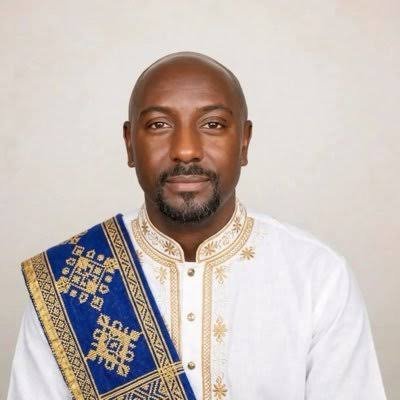
A succession dispute has emerged in Uganda’s Tooro Kingdom after the family of the late King Oyo rejected the selection of television journalist Prince Edward Rukidi Kijanangoma as the kingdom’s next monarch.
The royal clan’s succession committee announced Kijanangoma’s selection on Wednesday following the death of King Oyo Nyimba Kabamba Iguru Rukidi IV.
Kijanangoma is a news anchor and editor at the state-owned Uganda Broadcasting Corporation. He is also a cousin of the late king.
However, King Oyo’s mother, Queen Best Kemigisa, and his sister, Princess Ruth Komuntale, have rejected the committee’s decision. They say the late monarch left a written will naming his biological son as heir to the throne.
Committee selects television journalist
Reuters reported that the royal succession committee chose Kijanangoma after meeting in Fort Portal, the traditional capital of the kingdom.
The broadcaster was presented as the preferred candidate to provide continuity following King Oyo’s death.
King Oyo died in the United States on 27 August at the age of 34 while receiving treatment for cancer. He had ruled Tooro since 1995, when he was crowned at three years old following the death of his father.
His childhood coronation attracted international attention and earned him recognition as the world’s youngest reigning monarch at the time.
His body was later returned to Uganda ahead of burial at the royal tombs near his palace.
Family points to king’s will
Princess Komuntale said her brother’s written will clearly identified his son as the person who should succeed him.
A portion of the will shared by the kingdom’s spokesperson is dated 14 September 2022. It reportedly states that any son lawfully recognised as King Oyo’s biological child should inherit the throne.
The claim has created further uncertainty because King Oyo was unmarried and had not publicly acknowledged a son before his death.
The identity, age and legal recognition of the reported child have not been publicly established. Those questions are likely to become central to determining whether the will can guide the succession.
The Associated Press reported that Ugandan President Yoweri Museveni had also referred to the existence of a young heir born outside marriage.
The royal committee nevertheless selected Kijanangoma, raising the possibility of a customary or legal challenge.
Queen condemns selection process
Queen Kemigisa accused what she described as a self-appointed group of clan members of proceeding with the selection despite being informed about the will.
She also alleged that military personnel removed royal guards from the palace and restricted the family’s movement.
Uganda’s military had not publicly responded to the allegation at the time of reporting. Trivane cannot independently confirm that the royal family was placed under house arrest.
The succession committee has also not provided a detailed public explanation of how it considered the will or why it selected Kijanangoma instead of the reported child.
Traditional kingdom retains influence
Uganda is a constitutional republic, and its traditional monarchs do not exercise sovereign political power.
However, kingdoms such as Tooro retain considerable cultural and social influence. Their monarchs serve as symbols of identity, history and unity for their communities.
The disagreement therefore extends beyond a private family dispute. It concerns the interpretation of the late king’s wishes, the authority of the royal succession committee and the customs governing the Tooro throne.
Until the will, customary rules and legal status of the reported heir are examined through a recognised process, Kijanangoma’s succession is likely to remain contested.
Trivane View
The Tooro Kingdom needs a transparent succession process that considers both its customary rules and the late king’s reported will. A disputed appointment made without a clear public explanation risks deepening division at a time when the kingdom is still mourning its monarch.