
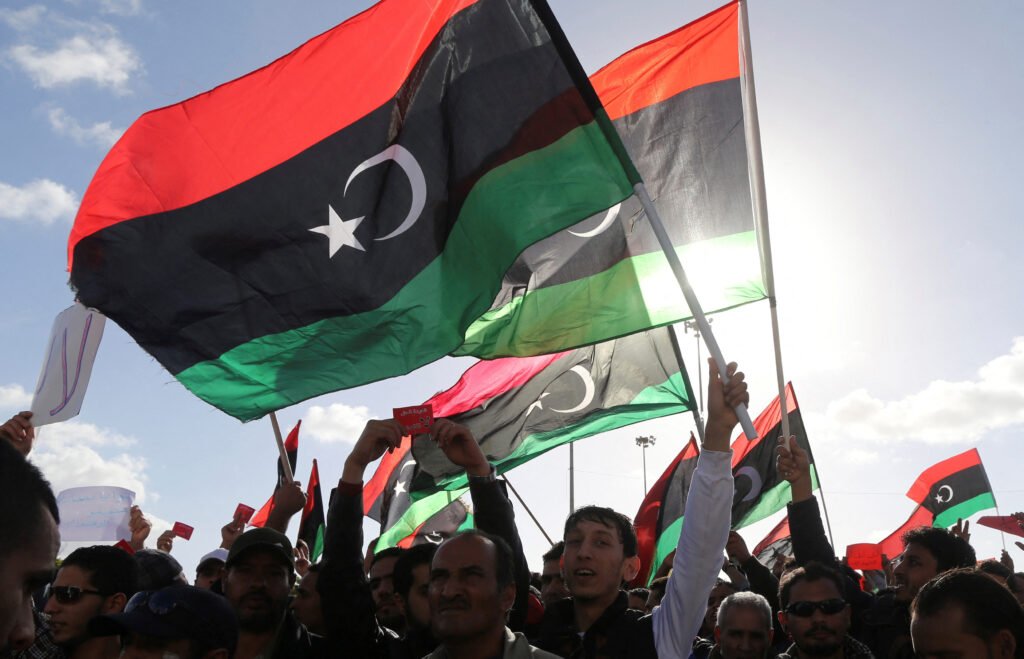
Libya’s rival institutions have signed an agreement aimed at holding presidential and parliamentary elections within two years, opening another attempt to end a political crisis that has divided the country for more than a decade.
The agreement was signed on Sunday, August 30, at the United Nations Support Mission in Libya (UNSMIL) in Tripoli. It followed talks involving representatives of four major Libyan institutions.
Walid Ellafi, state minister for political affairs and communications in the Government of National Unity, said presidential and legislative elections should take place within a period not exceeding 24 months.
The agreement offers Libya a fresh political opening. But the country has been here before, and previous attempts to hold national elections have ended in disagreement and delay.
What Was Agreed
The deal emerged from talks known as the “4+4” format, involving two representatives from each of four institutions: the Tripoli-based Government of National Unity, the High Council of State, the eastern-based House of Representatives and the Libyan National Army.
Bringing representatives of these rival institutions into the same process is significant in a country that has remained politically divided between eastern and western authorities.
The agreement also sets out what should happen next.
Shibani Abu Hamoud, representing the army’s general command, said the parties would work with UNSMIL to develop an implementation framework within one month.
If the House of Representatives and High Council of State do not approve the agreement within that period, the parties intend to pursue a broader national mechanism to adopt it as a constitutional document and seek international backing through the UN Security Council.
Why the 2021 Election Still Matters
Libya was due to hold a presidential election on December 24, 2021, following a UN-backed political process.
That election never took place.
Disagreements over electoral rules and the eligibility of major candidates derailed the process. Among the disputed candidates were eastern military commander Khalifa Haftar and Saif al-Islam Gaddafi, son of former Libyan leader Muammar Gaddafi.
The failure left Libya without the national vote that many hoped would help resolve years of political division.
The new agreement is intended to address some of the problems that contributed to that collapse, including disputes over electoral laws and reform of the national elections body.
Why Caution Is Still Necessary
Signing an agreement and implementing it are two different things.
Libya’s major political actors have repeatedly expressed support for elections, but doubts remain over whether all sides will accept a process that could change the country’s existing balance of power.
Reuters reported that some Libyans remain sceptical about whether political figures currently holding positions of authority genuinely want elections that could remove them from power.
There are also practical challenges ahead. Electoral laws must be agreed, institutions must cooperate and disputes over who can stand for office must be resolved. Security arrangements will also be essential before millions of Libyans can vote safely.
The 24-month deadline therefore provides a target, but it does not guarantee that elections will happen.
Why the Agreement Still Matters
Despite those concerns, Sunday’s agreement should not be dismissed.
Libya has experienced little major warfare between its eastern and western factions since a ceasefire in 2020. That relative calm provides a better environment for political negotiations than existed during periods of active fighting.
The agreement now adds a timetable and an implementation mechanism to the electoral process.
It also keeps UNSMIL directly involved, giving the process international support while leaving Libyan institutions responsible for moving it forward.
For Africa, Libya’s stability matters beyond its borders. The country remains an important link between North Africa, the Sahel and Europe, particularly on migration, security and regional trade.
What Happens Next
The first major test will come within a month.
Attention will be on whether the House of Representatives and High Council of State approve the agreement and whether the promised implementation framework is established.
After that will come the more difficult work: agreeing electoral rules, preparing the institutions responsible for the vote and preventing political disputes from derailing the process again.
Sunday’s signatures have reopened a path towards national elections. Whether Libya finally reaches the ballot box will depend on what its rival institutions do after the ceremony.
Source: Reuters / The New Arab, August 30, 2026.
Facts first. Not frenzy.