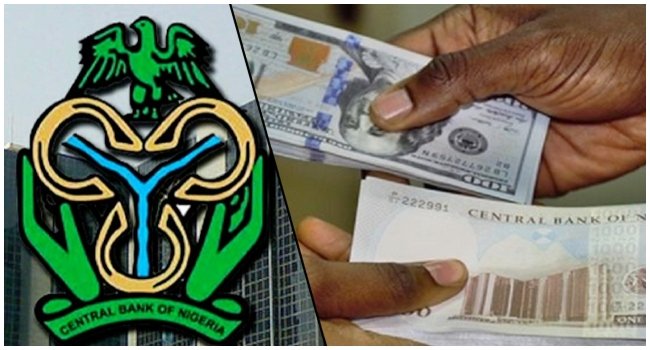
The Central Bank of Nigeria (CBN) has temporarily increased the weekly foreign-exchange purchase limit for licensed Bureau De Change (BDC) operators from $150,000 to $1 million, in a move aimed at improving access to physical dollars and addressing seasonal demand pressures.
The new arrangement took effect on Wednesday, November 25, allowing eligible BDC operators to purchase up to $1 million weekly through authorised dealer banks.
The policy also permits licensed operators to receive up to 100 per cent of their approved foreign-exchange purchases in physical US dollars, replacing the previous restriction that limited cash access to 25 per cent of the approved amount.
According to TheCable” the apex bank communicated the adjustment to banks, describing it as a temporary measure to address seasonal demand and improve orderly access to dollar cash for end users.

What has changed?
Under the previous arrangement, banks were permitted to sell a maximum of $150,000 weekly to each licensed BDC operator. However, only 25 per cent of the approved amount could be received in physical cash, equivalent to $37,500.
The revised arrangement raises the weekly purchase ceiling to $1 million per licensed operator and allows the entire approved amount to be received in cash.
The CBN said licensed BDCs could access the dollars through authorised dealer banks with which they maintain settlement accounts. Transactions are to be conducted through the Nigerian Foreign Exchange Market (NFEM) and the approved purchase-tracking platform.
The regulator also indicated that it would support authorised dealer banks with additional cash requirements where necessary to facilitate transactions.
“Nairametrics” reported that the new arrangement replaces the earlier restrictions and increases the amount of physical dollar liquidity available to BDC operators.
Why the CBN is making the adjustment
The central bank’s stated objective is to address seasonal demand pressures and improve access to foreign currency for legitimate end users.
Demand for dollars often rises during periods of increased international travel, business transactions, and other foreign-exchange obligations. By expanding the amount licensed BDCs can purchase and receive in cash, the CBN is seeking to improve the availability of foreign currency through regulated channels.
The measure could also help reduce pressure on the parallel market if more customers are able to obtain foreign exchange through authorised operators.
However, the impact will depend on how effectively banks supply the dollars, how BDCs distribute them, and whether the additional liquidity reaches genuine end users.
Regulatory conditions remain
The increase does not remove the licensing and compliance requirements governing BDC operations.
Only licensed operators are eligible to access the facility, and purchases must pass through authorised dealer banks under the prescribed foreign-exchange procedures.
The CBN’s decision is also described as temporary, meaning the regulator could review the arrangement depending on market conditions and its assessment of the policy’s effectiveness.
Trivane View
Increasing access to physical dollars through regulated operators could help ease some of the pressure in Nigeria’s retail foreign-exchange market. However, the measure’s success will depend on transparency, effective monitoring, and whether additional supply translates into more stable access and pricing for legitimate users.